
- News
- City News
- kochi News
- Kerala assembly elections: IUML revamps with youth push, new faces
Trending
Kerala assembly elections: IUML revamps with youth push, new faces
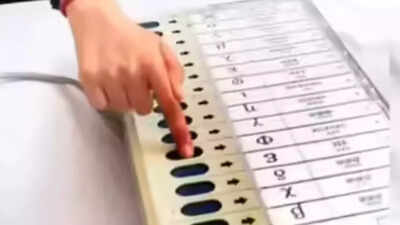
Kerala's IUML, a key UDF constituent, is undergoing a significant transition (Representative image)
Israel Iran War
- US-Israel-Iran War News Live Updates: Amazon Web Services 'disrupted' following drone attack in Bahrain; Saudi, UAE mull joining Iran war
- Possible US-Iran Talks In Islamabad: White House calls situation ‘sensitive’ and ‘fluid’; oil prices tumble
- Trump Shifts Iran War Push: says Hegseth urged early strikes; extends deadline for attacks

About the AuthorRajeev KR
End of Article
Follow Us On Social Media
Hot Picks
Top Trending
Tired of too many ads?go ad free now
Trending Stories
In City
Entire Website
- Iftar party on boat in Varanasi: Court denies bail to 14 arrested
- 'Climbed 24 steps to reach washroom': RG Kar hospital cardiac patient walks to toilet, collapses in son’s arms, dies
- Panic Buying At Gujarat Pumps: Rumours trigger long queues; govt, dealers say no shortage
- Man found dead on cot; wife, her lover arrested for murder
- Rajasthan Police Allege Spy: IAF staffer held for leaking data to Pakistan; probe tracks ₹3.25 lakh trail
- 34 booked after priests, devotees fight at Kolhapur's Jyotiba shrine; video goes viral
- Bird flu outbreak in Nagpur: 1,000 chickens dead, containment measures on
- Gaurav Gogoi vs Hitendra Nath Goswami in Jorhat: Test of revival in seat steeped in history
- Gorlosa Joins Congress In Haflong: Former BJP minister files Haflong nomination; last-minute switch jolts BJP
- Horrific murder caught on cam in Bengaluru: Man bludgeoned to death with jack rod
- US-Israel-Iran War News Live Updates: 'We negotiate with enemies with impact-driven strikes', Iran launches 'new wave of missiles' at Israel
- Rajasthan Board 10th Result 2026: How students can view their scores on DigiLocker
- RBSE Class 5th, 8th result 2026 declared, students can check scores here
- CAG Flags CM House Overrun: Audit finds ₹33.6cr spend 342% above estimate; PWD tendering under fire
- RBSE 10th Result 2026 Online Live Updates: Rajasthan board class 10 results at 1 PM, check how to download marksheets
- RBSE Class 5th, 8th Result 2026 Live Updates: Results expected at 1 pm on Shala Darpan rajshaladarpan.rajasthan.gov.in, check key details here
- LPG Crisis in India Live Updates: 2 LPG tankers cross Strait of Hormuz, likely to reach Indian ports by Saturday; Rajasthan gets 10% extra commercial LPG quota
- Gold, Silver Rate Today Live Updates: International gold prices drop 2% as inflation, oil price fears due to US-Iran war continue to weigh
- MP Board result 2026 for classes 5, 8 expected any time soon: Know where and how to check scorecards
- Afghan fans 'committed suicide' after Asia Cup loss to Pakistan: Gurbaz recalls defeat that shook country
Tired of too many ads?go ad free now



Explore Every Corner
Across The Globe
Israel Iran WarNew Train Ticket Refund RulesGold Rate TodayTPS to green cardTua Tagovailoa WifeBlake LivelyRahmanullah GurbazSunil GavaskarLauren Betts FamilyRajasthan Board Class 10th ResultWWE Raw HighlightsLPG Crisis IndiaBrittany MahomesIPL Points TableRBSE Rajasthan Board 10th ResultChinnaswamy StampedeRBSE Class 10 Scorecard DownloadBCCI New GuidelinesGold Price PredictionOil PricesStock Market TodayRajasthan Board Class 10 Result 2026Rupee DepreciationRBSE Class 5th 8th Result 2026Rajasthan Official Website CrashRBSE 10th Result 2026 OnlineCheck RBSE Scores on TOI portalRajasthan 10th ResultIPL 2026IPL 2026 Schedule

Hot on the Web
Dhurandhar 2 Box Office CollectionAditya DharAamir KhanGautham Vasudev MenonDhurandhar 2 ReviewSanjay DuttMashhoor AmrohiDinesh KarthikDhurandhar 2 Legal TroubleShoba ChandrasekharMorgan Freeman QuoteUstaad Bhagat Singh CollectionAparajita FlowersGoddess Durga LessonsDaily Career HoroscopeVande Bharat Sleeper TrainDhurandhar 2 CollectionNo Railway Connectivity StateAhmedabad Monkey ManZaheer Khan HouseHarbhajan Singh HouseMovierulzNabeel GabolAadu 3 Box Office CollectionBlood Pressure Check TipsRidhi DograShiv ThakareHoroscope TodayBaby NamesDubai Airports UpdatesToday Gold Rate in ChennaiDelhi Weather TodayDelhi AQI TodayMumbai AQI TodayMaharashtra Public Holidays 2026Apple Wwdc 2026Jensen HuangAndrej KarpathySam AltmanSpotify LayoffsAnthropic New Claude Tool
Trending Topics
RBSE Class 10th ResultRajasthan Board official Website CrashRBSE Official and Unofficial WebsitesBengal VotersBengaluru DoctorsRBSE Class 8th ResultTamil Nadu Police NewsRG Kar HospitalGujarat Petrol PumpUP Army CaptainDelhi AQIDelhi Old Vehicles DeregisteredDelhi High CourtDehradun BombingBhopal Murder NewsDelhi Loan NewsJaipur Auto DriverA V RanganathShah Rukh KhanTamil Nadu Liquor SaleTamil Nadu PollsBengaluruM Chinnaswamy StadiumFelix TrudeauHonkai Star RailShedeur SandersTaylor SwiftDanielle CollinsAminematueSebastian KordaJames HagensSundar PichaiAnthropic New Claude ToolNational Security RiskJensen HuangHyundai Exter Facelift Vs Tata Punch FaceliftAndrew BosworthLarry EllisonApple EventScience NewsHow to watch ICC T20 World Cup 2026 in USAIPL 2026IPL Schedule 2026
Popular Categories
HeadlinesSports NewsBusiness NewsIndia NewsWorld NewsBollywood NewsHealth+ TipsIndian TV ShowsTechnologyTravelEtimesHealth & FitnessAstrologyInternational SportsDeorhiTechnology NewsAutoWeather TodayGold Rate Today DelhiSilver Rate TodayPlatinum Rate TodayIs Bank open todayIPL 2026IPL Schedule 2026Bank HolidaysPublic HolidaysBank Holidays in MarchPublic Holidays in MarchAries HoroscopeGemini Horoscope
Trending Videos
TN Polls Turn 5-Cornered: DMK, NDA, Vijay & Rebels: Who Holds The Edge?Gujarat Titans confident ahead of IPL 2026: 'We’re here to win, not participate'Doctors Booked for Triple Riding and Unsafe DrivingBihar Police Save Man with Timely CPR11-Year-Old Rishi Impresses with Smooth Training LandingIf U.S strikes Pakistan, we will bomb Delhi & Mumbai’, says ex-Pakistani envoyTrump Pauses Iran Strikes After TalksIEA Chief Warns of Severe Global Energy CrisisRaghav Chadha Questions Telecom Data Expiry RulesInternet Divided as Fake SRK Post Fuels Dhurandhar 2 BuzzTrue Promise 4 Escalates: IRGC Hits Dimona, Tel Aviv, Eilat In Massive Multi-Front Strike WaveSupreme Court Raps Forces Over Gender Bias, Orders Justice For Women Officers In Historic RulingDhurandhar 2 Star Gaurav Gera’s 28-Year-Old Letter Goes Viral, Fans Get EmotionalSaudi Arabia, UAE To Enter Iran-US War As Tehran Targets Oil Infrastructure In GulfIranian Missile Fury Pounds Building Near Haifa, Building Razed In Israeli TownIndia, US Step Up Defence Talks As Elbridge Colby Visit And Jaishankar-Rubio Call Focus On West AsiaIran Hits Back At US Senator Lindsey Graham’s Shocking War Claims; ‘2000 Year Conflict…’Impact Player Rule: Game-changer or all-rounder killer?
Latest News
Free bus rides, bicycles for 1.3 lakh girls, laptops for toppers: What’s in it for students in Delhi Budget 2026Delhi budget 2026-27: HighlightsAamir Khan admits his character in Raja Hindustani was an 'MCP', says their marketing was wrong for 'Talaash'Laid-off senior director is suing Meta, claims older workers were the ones hit the hardestTom Cruise's 'Mission Impossible' built a legacy, and now it is about to leave streaming‘Kolkata has the best audience for exhibitions’RBSE Class 10 Results 2026 declared: Jhunjhunu tops with 97.77%, Kota lowest at 89.25%; check top 3 districtsCentre calls for all-party meeting amid escalating West Asia tensionsAncient human habitation unearthed: 125,000-year-old settlement discovered in Sharjah’s Buhais RockshelterICAI launches mega CA placement drive 2026: Interviews begin on April 6 as top recruiters line up across IndiaKritika Kamra drops subtle clue about Matka King roleShane Nigam steps into Tollywood with a racing dramaIn a first: Chinook deploys army's heavy duty assault bridgeSam Altman's yes to the deal that Anthropic rejected continues to haunt OpenAI as mass exodus from ChatGPT continues; what new numbers sayRise and sweat! Early morning exercise is good for your heartKerala polls 2026: War impact rises, but parties stay silentBig blow to RCB, Yash Dayal ruled of IPL 2026 due to personal reasons'MS Dhoni should retire, he cannot be the Impact Player': Ex-India cricketer
Copyright © 2026 Bennett, Coleman & Co. Ltd. All rights reserved. For reprint rights: Times Syndication Service