
- News
- Health News
- On World Tuberculosis Day, doctors share early symptoms, debunk myths, and discuss treatment challenges
On World Tuberculosis Day, doctors share early symptoms, debunk myths, and discuss treatment challenges
Why tuberculosis remains a tough disease to treat in India
Tuberculosis has been around for decades, and yet it refuses to loosen its grip on India. For a disease that is both preventable and curable, that’s a hard truth to sit with. India continues to carry the highest burden of TB globally. According to the World Health Organization Global TB Report, the country accounted for nearly 27% of the world’s TB cases in 2022. That’s not just a number. It reflects millions of people dealing with delayed diagnosis, long treatments, and, in many cases, social stigma that keeps them from seeking help early.
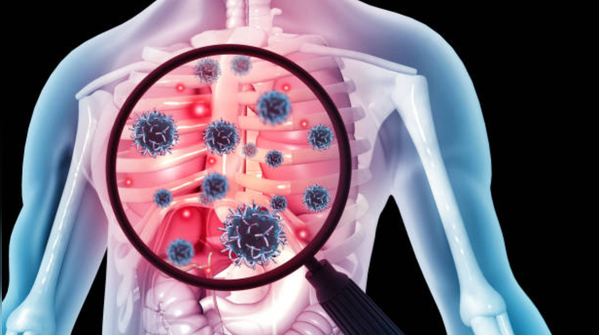
Diagnosis still comes too late
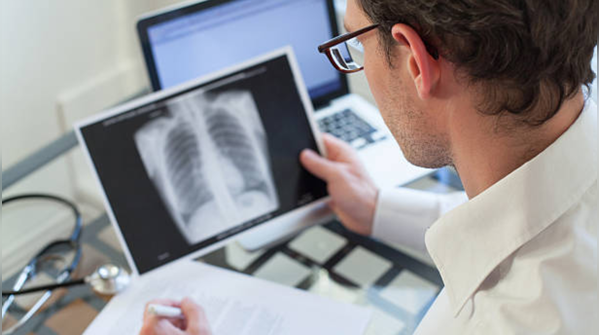
One of the biggest problems is that TB doesn’t always show up dramatically. A cough that lingers, some weight loss, a bit of fatigue—these are easy to ignore. Studies in India have shown that patients often delay seeking care by weeks, sometimes months. And by then, the infection has already progressed and spread.
But it’s not just about awareness. Access plays a role too. In rural areas and even crowded urban pockets, diagnostic facilities aren’t always easy to reach. So people rely on over-the-counter medication or local remedies, which only delays proper treatment.
The social side no one talks about enough
Then there’s stigma. TB is still seen as a “serious” disease in a way that isolates people. Many patients hide their diagnosis, skip medication in public, or avoid follow-ups because they don’t want others to know.
And TB doesn’t exist in isolation. Conditions like diabetes, smoking, and poor nutrition increase the risk of both getting TB and having worse outcomes. A study published in The Lancet has highlighted how undernutrition alone contributes significantly to TB incidence in India.
So while the science to treat TB exists, the reality on the ground is more complicated. It’s about access, awareness, behaviour, and support systems all coming together. Until those gaps are addressed, TB will remain not just a disease—but a challenge that’s hard to shake off. TOI Health connected with Dr. Sudharshan K S, Senior Consultant, Pulmonology, Apollo Hospitals, Sheshadripuram, Bangalore and Dr. Srivatsa Lokeshwaran, Director, Interventional Pulmonology, Fortis Hospital, Bannerghatta Road, Bengaluru to discuss why TB remains a challenge for India.
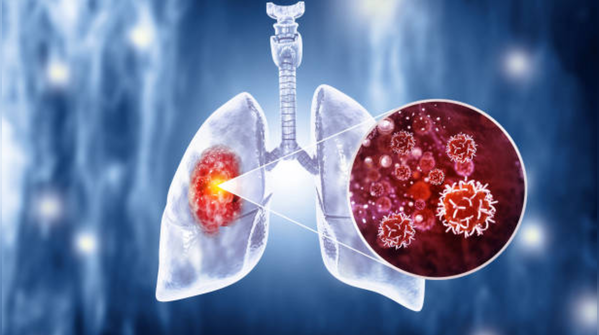
Tuberculosis is still one of the leading infectious killers, so why does awareness around tuberculosis remain low compared to other diseases?
Dr. Sudharshan K S: Awareness around TB is still pretty low in many parts of Asia, and it’s not just because people don’t care. A lot of it comes down to real-life barriers. Reaching people in remote or rural areas isn’t easy, so the right information just doesn’t get there in time. And when it doesn’t, people fill in the gaps with whatever they’ve heard growing up.
There are still quite a few myths floating around. In some communities, TB is treated like a taboo topic—something you don’t talk about openly. Many people believe it’s always fatal or that it can’t really be cured. That fear alone is enough to make someone delay going to a doctor.
And then there’s the issue of access. Not everyone has reliable health information or awareness campaigns reaching them regularly. So the basics—what TB symptoms look like, when to get tested—don’t always stick.
The result? People wait. They ignore symptoms, or try to manage it on their own. And by the time they finally seek help, the disease has often progressed, making things harder than they needed to be.
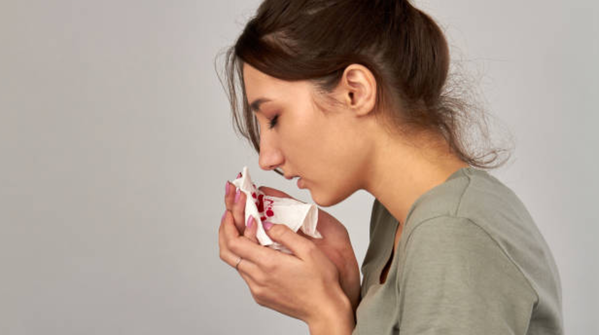
What are the early symptoms of TB that people often ignore or mistake for something less serious?
Dr. Sudharshan K S: The early signs of TB aren’t always dramatic. It usually starts with things like a cough that won’t go away, a mild fever, or some unexplained weight loss. And that’s exactly why people ignore it. Most think it’s just a stubborn cold or a regular chest infection.
Some try home remedies, others go to alternative practitioners, hoping it’ll settle on its own. And for a while, it might even seem manageable. But that delay adds up. By the time they finally see a doctor, the infection has often moved ahead, making things more serious—and harder to treat.
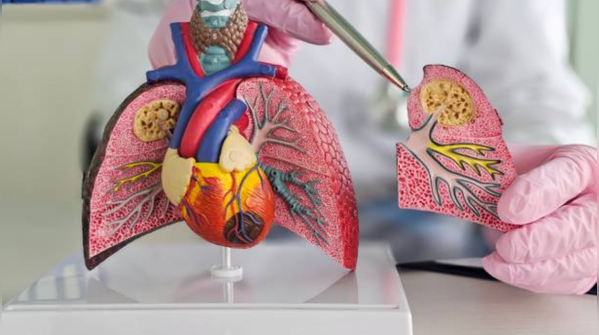
How big of a challenge is drug-resistant TB today, and what does it mean for treatment outcomes?
Dr. Srivatsa Lokeshwaran: Drug-resistant tuberculosis has become one of the biggest challenges today. It occurs when the bacteria no longer respond to the standard first-line medicines used to treat TB. This usually happens due to incomplete treatment, irregular medication use, or incorrect prescriptions. Drug-resistant TB, including multidrug-resistant (MDR-TB) and extensively drug-resistant (XDR-TB), requires longer treatment, which lasts between 9 and 18 months or longer because the medications used in their treatment create more intense side effects. The standard tuberculosis treatment process becomes more difficult and expensive because of drug-resistant tuberculosis which also increases the risk of developing complications. Also today newer drugs are changing the landscape even for drug resistant TB.There are shorter regimens offered by the NTEP(National TB elimination program) that help to cure TB more quickly unlike earlier lung regimens for drug resistant TB.
What are the biggest myths around TB that continue to delay diagnosis and treatment?
Dr. Srivatsa Lokeshwaran: People believe that tuberculosis only affects lung tissues and only infects individuals from impoverished communities, which represents one of the most widespread misconceptions about the disease. Tuberculosis can affect any person because the disease can spread through all body parts, including lymphatic systems, bones or the brain. Another misconception is that TB is always highly contagious, which leads to stigma and fear, causing patients to hide symptoms and delay medical care. People who feel better tend to stop taking their medication because they believe they have fully recovered, which results in both relapse and drug resistance problems. There is also a belief that TB cannot be cured, which is not true, as most cases can be completely treated if diagnosed early and managed properly.
Medical experts consulted
This article includes expert inputs shared with TOI Health by:
Dr. Sudharshan K S, Senior Consultant, Pulmonology, Apollo Hospitals, Sheshadripuram, Bangalore
Dr. Srivatsa Lokeshwaran, Director, Interventional Pulmonology, Fortis Hospital, Bannerghatta Road, Bengaluru
Inputs were used to explain why TB treatment is still a big challenge for India, what are the early symptoms and common misconceptions around the disease.
Featured In Health

