
- News
- City News
- ahmedabad News
- PG Medical: Radiology is hot this summer
Trending
This story is from April 25, 2019
PG Medical: Radiology is hot this summer
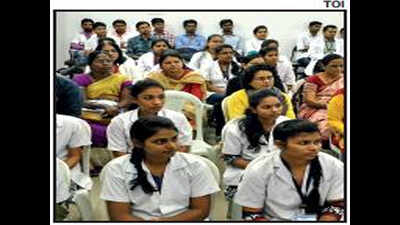
There are 84 seats for radiology and 48 for dermatology at government colleges in the state
The high demand for radiologists and dermatologists, better job opportunities, better working hours and lower professional risks are a few reasons for these programmes being more sought after.

The shift began about five years ago and the change has become evident in the PG medical admissions process that is under way for government colleges, as radiology and dermatology require higher qualifying scores than other programmes.
The Admission Committee for Professional Postgraduate Medical Courses (ACPPGMC) recently began its admission procedure for postgraduate medical courses in Gujarat, based on scores obtained in NEET PG. The final merit list was released last month.
“Demand for radiologists has risen in the last five years. A fresher with a postgraduate degree in the field can easily get a job paying Rs 2 lakh a month. There is less work pressure on radiologists compared to surgeons or orthopedic specialists, as they do not have to directly deal with medical emergencies,” said Dr Pankaj Patel, dean of NHL Municipal Medical College.
There are 84 seats for radiology and 48 for dermatology at government colleges in the state. At self-financed colleges, fees for these two programmes are about Rs 50 lakh, while the PG in medicine costs about Rs 40 lakh.
Dr M F Shaikh, director of PG courses at BJ Medical College said that a few years ago, radiology and dermatology were the last preference for postgraduate students. “People are more conscious about their looks these days, be it hair transplants or for other aesthetic considerations. This has driven the demand for dermatologists,” said Shaikh.
Dr Rajesh Thakkar, a first-year PG student of radiology said he chose the programme as it offers several advantages. “In radiology I can do well even if I don’t do a superspecialty course. This programme gives me the opportunity to study various other aspects of medical science,” Thakkar said.

About the Author
Bharat YagnikEnd of Article
FOLLOW US ON SOCIAL MEDIA



Photostories
Hot Picks
TOP TRENDING
Popular Categories
Hot on the Web
Top Trends
IND vs NZ Live ScoreMohammad HarisBen DuckettRishbah PantRohit SharmaNayab Singh Saini OathJustin TrudeauPakistan Bomb BlastJharkhand Election ScheduleVaranasi Rail Road BridgeMaharashtra Election Full ScheduleBengaluru FloodBaba SiddiqueAshes ScheduleMaharashtra Election ScheduleJharkhand Election ScheduleLive Cricket Score
Trending Topics
Diwali WishesValmiki Jayanti WishesFake PaneerLiam PayneVettaiyan CollectionVicky Vidya Ka Woh Wala Video CollectionLawrence BishnoiCow GheeBigg Boss 18Salman KhanShraddha KapoorRatan Tata Passed AwayNana PatekarSharad Purnima Moonrise TimeSwatantrya Veer SavarkarSharad Purnima 2024Top Load Washing MachinesBest Premium LaptopsNonstick Cookware SetsWordle Answer
Living and entertainment
Latest News
Nimrat Kaur joins Manoj Bajpayee's 'The Family Man 3' as second villain after Jaideep Ahlawat: Report'Most Special': Examining Andrew Garfield and Amelia Dimoldenberg past embracing conversations amid buzzing chicken shop date promotionBigg Boss OTT fame Adnaan Shaikh and wife Ayesha embark on their first umrah amid family controversyIs Lawrence Bishnoi to India what Dawood Ibrahim is to Pakistan?Entry into Puri Jagannath temple restricted for Kartik month congregationSun Transit in Libra 2024: Its impact on your zodiac sign'Vettaiyan' box office collection day 7: Rajinikanth-Amitabh starrer crosses Rs 118 crore in first weekFour students win inter-school literary festLiam Payne’s death sparks hate comments toward ex Maya Henry: You should be so happy nowWhat Kamala Harris said when asked about Biden's mental fitness during Fox interview: He's not ...Jennie of BLACKPINK performs 'Mantra' on Jimmy Kimmel live!Bikers gun down TMC man in BengalBhopal to witness power cuts today; check details hereNew Sebi norms to improve FPI, bond investors' liquidityActivist saves snake with mouth-to-mouth resuscitationReady for internet services in India: Elon MuskRG Marathon: Akshay, Ankitaben steal the show'Usko akal nahi hai': Mohammad Haris gets bashed by Basit Ali for 'ban on India talks' comment
Copyright © 2024 Bennett, Coleman & Co. Ltd. All rights reserved. For reprint rights: Times Syndication Service