
- News
- Business News
- International Business News
- International Business News
- $425K debt/family: How Trump’s bill could gut US - Wall Street waves red flag
Trending
$425K debt/family: How Trump’s bill could gut US - Wall Street waves red flag
Donald Trump's new economic package faces criticism. Experts like Ray Dalio warn of potential financial disruptions. The bill increases national debt significantly. Concerns arise about rising interest rates and a weaker dollar. Some fear the US may lack resources for future crises. The package's impact on the global economy is also under scrutiny. Markets are watching closely for potential interventions.
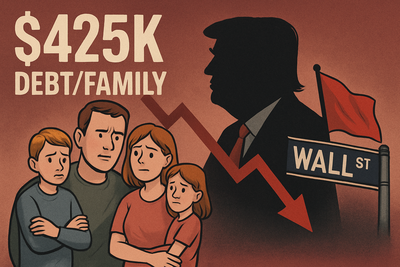
AI image for representation only.
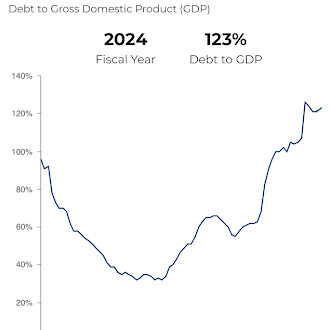
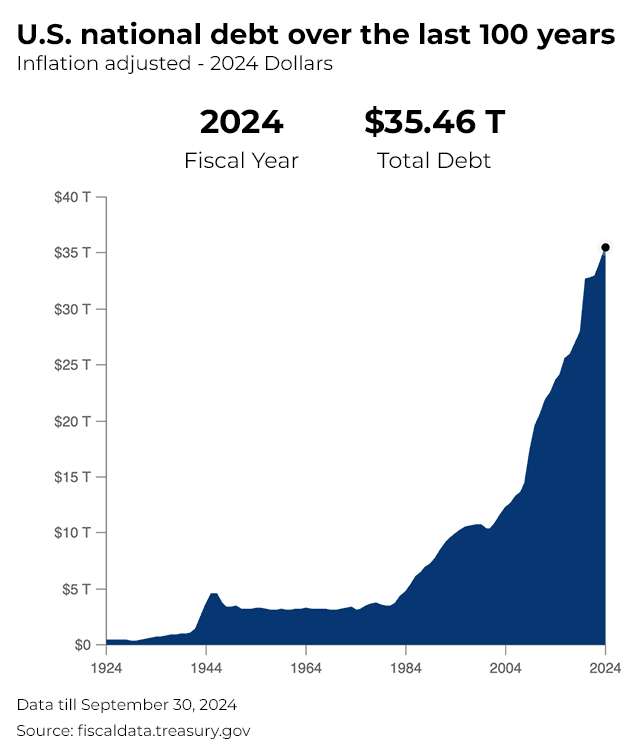
- A politically unpopular slashing of spending.
- A massive increase in taxes.
- Or a monetary intervention involving printing more money and lowering interest rates - which would “devalue the dollar and hurt bondholders.”
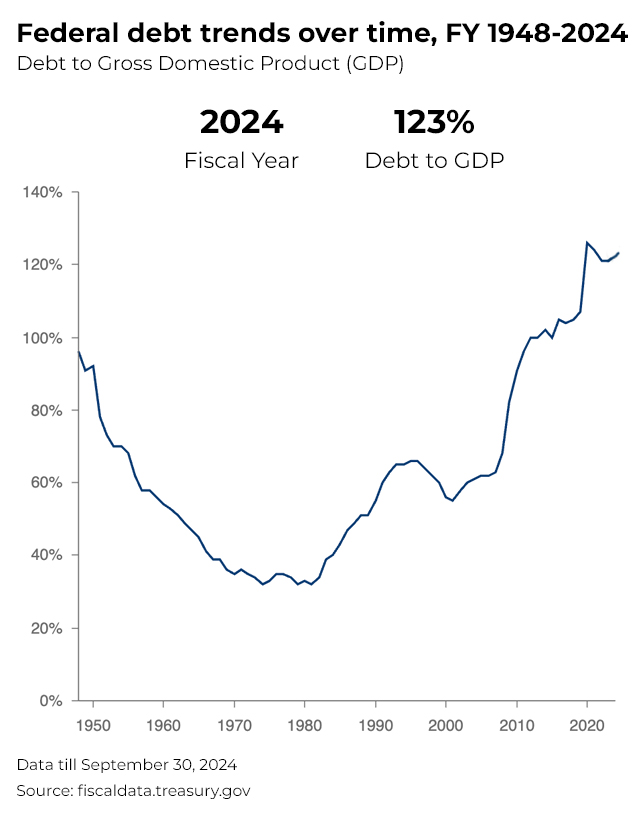
- Dalio sees systemic risk not just for America, but for the global economy: “The US Treasury market is the backbone of all capital markets, which are the backbones of our economic and social conditions.” If confidence in US debt erodes, the entire financial architecture could wobble.
- Ken Rogoff, former chief economist of the IMF, agrees: “It’s not clear markets will tolerate” further borrowing sprees when a real crisis hits. He warned that the US is leaving itself without fiscal headroom to respond to future emergencies.
- Even the dollar - long considered a safe haven - is starting to reflect these jitters. It just posted its worst first-half performance since 1973, a signal that foreign investors may be losing confidence in the US fiscal trajectory.
- Congress passed the bill 218–214 after weeks of internal GOP wrangling.
- The Senate version was made law with Vice President JD Vance casting the tie-breaking vote.
- The CBO estimates 11.8 million Americans will lose health coverage and 3 million will lose food stamp eligibility by 2034.
- Some Republicans expressed discomfort with the deficits - then voted yes anyway.
Stay informed with the latest business news, updates on bank holidays and public holidays.
AI Masterclass for Students. Upskill Young Ones Today!– Join Now

About the Author
TOI Business DeskEnd of Article
Follow Us On Social Media










Photostories

Hot Picks
Top Trending
Tired of too many ads?go ad free now
Trending Stories
In Business
Entire Website
- Rare earth elements: China’s grip on critical metals and why the world depends on them?
- RBI warns of rising tariff era; says resilient trade ties vital for India’s global play
- India-UK deal: Tariff cuts, job access & market openings - Who gains what?
- ‘Stop saving Fake $’: Rich Dad author Robert Kiyosaki warns of ‘biggest crash in history’
- Good Glamm breaks up as lenders initiate brand-wise asset sale
- ‘10% is the new zero tariff’: Trump seals trade deals with many countries - what do they mean for India?
- ‘Always, zero tariffs to…’: Donald Trump says US willing to lower tariff rates for major countries - this condition needs to be fulfilled
- US-Japan trade deal: Wall Street rallies; tariff relief fuels global optimism
- Irregular monsoon distribution may hit: Crop damage raises price push concerns, says report
- Syngene Q1 profit up 59% to Rs 87 crore
- 'Surreal': Astronomer CEO speaks out about Andy Byron's Coldplay scandal, says company has now become a household name
- Bill Gates says: When your daughter asks if you’d be willing to work a shift in customer service at her startup, the only right answer is ...
- “My body failed me”: Dwyane Wade’s wife Gabrielle Union opens up about facing “public humiliation” after choosing surrogacy
- Who is Bryan Johnson: Anti-aging champion who spent $2 million a year on his body now set to shut down or sell age-reversing startup due to financial losses
- World's largest asset manager BlackRock to employees: You cannot carry your phones and laptops to China, instead …
- Solar Eclipse on August 2: Why world will be under darkness for over 6 minutes in a rare 100-year phenomenon; is it visible in India?
- Israel's key airport attacked: Houthi millitants launch missile at Tel Aviv; bombing destroys port's dock again
- Lawsuit or ...: Why Astronomer has not fired HR head Kristin Cabot while CEO Andy Byron resigned
- Who is Connor Estelle? Man loses job after 'I'm a fascist' remark; raises $20K in donations
- Dog the Bounty Hunter’s stepson under psychiatric care after accidentally killing teenage son; Gregory Zecca sedated at Florida facility: Report
Financial calculators






Tired of too many ads?go ad free now
Explore Every Corner
Across The Globe
IND vs ENG LiveTravis KelceAnthony RichardsonPatrick MahomesShaquille O NealTravis Hunter WifeBayron Matos HospitalisedTyrese HaliburtonKyrie IrvingBaker MayfieldBobby WagnerChristian McCaffrey InjuryNFL RedZoneGabrielle UnionPokemon UniteJoe BurrowYesJulzKobe BryantAdrian PetersonDylan RaiolaJustin JeffersonShannon SharpeNHL Trade RumorsCris CarterTravis Hunter Father ArrestAstronomer CEOEuroBasket 2025Battlefield 6 TrailerMinecraft Biomes ListImad Wasim Wife Instagram Post
Hot on the Web
Kidney HealthSaiyaara Box Office CollectionSrideviParrotAjay DevgnBoney KapoorTannushree DuttaCancer SymptomsPune Vande Bharat TrainHappy Sawan Shivratri WishesPet AnimalsSawan Shivratri WishesArowana FishGreen SareesAnkita LokhandeKannappa OTTUK Immigration RulesPopular Sugar AlternativeDilip JoshiKidney Health FoodsBeetroot BenefitsWake Up EarlySaiyaara Movie ReviewLiver Detox FoodsLower Blood PressureHighest Population CountriesBaby NamesMohit SuriAndrogenetic AlopeciaFatty LiverVibrio Vulnificus SymptomsHair LossSolar EclipseAnand MahindraFatty LiverHeart ProblemOne PieceBest Shounen AnimeNeck Pain TipsMonsoon Travel TipsChronic InflammationJeff Bezos
Trending Topics
PM Modi UK VisitChris BroussardTom BradyJulie BowenConor McGregorVanessa BryantConnor McDavidTaylor SwiftMegan Thee StallionTravis KelceRishabh Pant Foot InjuryMichael JordanTyreek HillKevin DurantBaby JoeNazem KadriJoy TaylorTravis HunterGisele BundchenJeff BlashillKlay ThompsonVShojo Controversy TimelineConnor EstellePokemon UniteJrue HolidayMatthew TkachukGiannis AntetokounmpoDamian LillardMinecraft Biomes ListBen SimmonsTravis KelceAbiotic FactorNYT Connections TodayWordle Today HintsBill GatesElon MuskGarena Free Fire UpdateGTA San Andreas Cheat CodesJensen HuangBaba Vanga PredictionDays GoneAppleCare One
Popular Categories
HeadlinesSports NewsBusiness NewsIndia NewsWorld NewsBollywood NewsHealth+ TipsIndian TV ShowsTechnologyTravelEtimesHealth & FitnessNFLAugust Long Weekend GuideIndia vs EnglandAstrologyWeather TodayPlatinum Rate TodaySilver Rate TodayGold Rate TodayDelhi AQI TodayJune Bank HolidaysPublic Holidays in JuneStock Market HolidaysFinancial CalculatorsBSE HolidaysTechnology NewsInternational SportsPublic HolidaysBank Holidays
Latest News
Salman Khan's new look with moustache and buzz cut for 'Battle Of Galwan' steals the show as the actor gets spotted in the city: PICS'Maalik' box office collections Day 13: Rajkummar Rao’s film slows down further with Rs 25 lakhs collection; total reaches Rs 24.30 crEast Ladakh's Nyoma airfield set to be operational by OctoberThe Porsche, the pay spike and the AI talent race that’s getting absurdTarot Card Predictions Today, July 24, 2025: Stars Reveal Big Changes for These Zodiac SignsAmavasya in July 2025: Date, Time, Rituals and Significance of Shravan AmavasyaBJP to use oppn's own words to foil attack over Dhankhar exitJalen Green Breaks Silence on Houston Rockets - Phoenix Suns Trade: “I Get It, Bro”Bad Bunny shares why filming with shirtless Travis Kelce in Happy Gilmore 2 was too much fun: To make Taylor Swift jealous?Trump vs Columbia: Ivy league school to pay $200 million in landmark settlement; campus protests curbedWill show people in 'black & white' how BJP is stealing elections: RahulAneet Padda REFUSES to take selfie with a fan, netizens defend the 'Saiyaara' star: 'She is not used to the paparazzi''Junior’ box office collections day 6: Genelia Deshmukh starrer mints Rs 7.65 crores; slows downCan Zeev Buium become the Minnesota Wild’s breakout star this season?CJI recuses from hearing Justice Varma's plea'Saiyaara' box office collection day 6: The Ahaan Panday, Aneet Padda movie directed by Mohit Suri crosses Rs 150 crore despite a slight drop in the business on WednesdayDaily Health Horoscope Today, July 24, 2025: Wellness Predictions for Every Zodiac SignDying declaration sends mom-in-law to jail for life
Copyright © 2025 Bennett, Coleman & Co. Ltd. All rights reserved. For reprint rights: Times Syndication Service