
- News
- World News
- World’s largest underground thermal lake discovered in Albania’s 330-feet abyss
Trending
World’s largest underground thermal lake discovered in Albania’s 330-feet abyss
A research expedition in 2024 has identified Lake Neuron in a cave in southern Albania as the largest underground thermal lake. Discovered initially by Czech researchers, new 3D scanning technology has confirmed its size. The lake, heated geothermally, is expected to provide significant insights into underground ecosystems and geological processes.
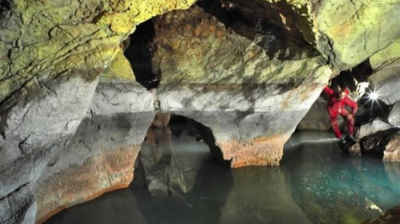
Image source: Instagram
Underground thermal lake found in Albania
Found in a cave along Albania's border with Greece, the underground thermal lake was historically much-laid upon by political tensions, limiting its prior research. The Czech expedition team led by Marek Audy discovered the lake as they saw a considerable column of steam rising above the mountain range of the region. On inspection, steam was found to emanate from an abyss measuring 100 meters deep (330ft). A vast network of caves were discovered by descending into the pit, some of which contained thermal springs, while in one of them was found the massive thermal lake.
Underground lake Neuron dimensions
The underground lake has now been baptized Neuron after the foundation of that name that financed the expedition. The lake is 454 feet long (138 m) and 138 feet wide (42 m). With access to new tools such as lidar scanning, it was possible to make a three-dimensional model of the lake and detail its mapping. It indicates that the lake has a total water volume of about 294,350 cubic feet, or, to put it slightly differently, about 3.5 Olympic swimming pools-in terms of normal pool shape.
Lake Neuron unveils the mysteries of subsurface Thermal Lakes
It is classified as a thermal lake, because geothermal heating deep under the earth crust continues to heat the very lake; it is such a trap for heat from below, which is simply held in water and retained at the same temperature. Indeed, thermal lakes have proved to be of great geological importance but also very relevant to how they might change our perception of underground ecosystems, particularly in showing how these ecosystems thrive under completely different conditions compared to those above the ground.
The great success of the first expeditions clearly calls the team back to Lake Neuron to continue research on this area. This research aims to understand how the internal cave system geology, biology, and other aspects have developed. Such research could provide significant contributions toward understanding the processes occurring in these underground environments and ecosystems, which could ultimately change what is known about these worlds so hidden.
Now that Lake Neuron is the most significant underground thermal lake in existence, it is the latest to be discovered. A similar, albeit much smaller, underground thermal lake was discovered in 2008 under the Turkish baths of Budapest, Hungary. Its former standing was that of the largest working, filled thermal water cave in the world, but with Lake Neuron's vastness and the depth at which it was found, it has taken on a whole new meaning.
Ongoing research to uncover Lake Neuron’s ecosystem and geological impact
With ongoing investigations by researchers, the significance of Lake Neuron and its ecosystem will emerge in even sharper focus. "It's something that could have a huge impact on understanding underground ecosystems and geological processes," said Marek Audy, the expedition leader. However, scientists hope that study about this extraordinary thermal lake will provoke even more discoveries-in geology, biology, and environmental science-with implications that may stretch far beyond the borders of Albania.
Lake Neuron exemplifies enigma and promise in underground environments, showcasing at once the merit of cutting-edge technology in modern exploration. The continuations of this research could perhaps unlock even deeper vaults of edification about wonders under the earth and the active forces shaping our planet.
Also Read | Discover 5 haunted places in the world, including the terrifying Bhangarh Fort in India, Forbidden City in China and more

About the Author
TOI World DeskEnd of Article
FOLLOW US ON SOCIAL MEDIA









Photostories

Hot Picks
TOP TRENDING
Explore Every Corner
Across The Globe
Anna HorfordBronny JamesIbrahim ZadranElon MuskAuston MatthewsTaylor Swift Dinner ConversationTallest WWE SuperstarLebron JamesWho is Jeff Hardys WifeLuka DoncicJoel EmbiidTravis KelcePascal SiakamElon Musk Canadian CitizenshipCUET PG Exam ScheduleGold Card vs Green CardMike TroutAuston MatthewsThe Great KhaliCade CunninghamWhere is Rickey HendersonHowie RosemanTrump Gold CardWho is Jade Cargills HusbandBank HolidaysChampions Trophy Live Streaming in USAChampions Trophy Points TableChamopions Trophy Live Streaming in CanadaChampions Trophy ScheduleICC Champions Trophy Live Streaming
Hot on the Web
Ranveer AllahbadiaNikki TamboliCelebrity MasterchefGold Card US VisaRamadan 2025Maha shivratri WishesRamadan 2025Maha Shivratri Dos and Don'tsPankaj ParasharTanmay BhatBaba Vanga PredictionsIbuprofen GuideChhaava Box Office CollectionYuzvendra ChahalCloves BenefitsChia Seeds BenefitsDibyendu BhattacharyaSuperstar RajinikanthMemory Weaken HabitsWeight LossUnique AnimalsJade PlantsIconic Tiger ReservesInspiring Motivational LinesNew Animal SpeciesChhaava Movie ReviewUnderrated Tiger ReservesDeer Wildlife ParksGobhi Dinner IdeasJade Plants
Trending Topics
Luka DoncicJoe BurrowAuston MathewsTaylor SwiftAaron RodgerLuka Doncic DramaTyrese HaliburtonCody BellingerCam NewtonTravis KelceAaron JonesMatthew TkachukTulsi GabbardLebron JamesMax ScherzerMikko RantanenNyt StrandsNyt ConnectionsVille HussoKing Legacy CodesDa Hood CodesWordle HintsDonald TrumpBruce BoudreauChris WebberBill BelichickChampions Trophy 2025 Points TableNitish Kumar CabinetJujutsu Infinite CodesICC Champions Trophy 2025 Live Streaming
Popular Categories
HeadlinesSports NewsBusiness NewsIndia NewsWorld NewsBollywood NewsHealth+ TipsIndian TV ShowsTechnologyICC Champions TrophyIPLTravelEtimesHealth & FitnessHollywood NewsWeb SeriesWWEUS NewsNFLHow to watch IPL 2025How to watch IPL in CanadaHow to watch IPL in USACBSETechnology NewsInternational SportsAstrologyPublic HolidaysBank HolidaysIndia vs New ZealandEducation Boards
Latest News
48hr deadline set to trace missing SLBC workers in collapsed tunnelCabinet clears decks for tabling of Waqf billEU to be slapped with 25% tariff: US president Donald TrumpMilitary plane crash in Sudan kills 46Israel, Hamas resolve delay in Palestinians release, 4 hostage bodies to be returnedUN chief to visit Bangladesh in MarchTrump administration creates registry for immigrants who are in the US illegallyMusk takes centrestage at Trump's first cabinet meet as prez backs layoff spreeTrump says Ukraine could 'forget about' joining NATO as he prepares to host Zelenskyy for talksDonald Trump says Ukrainian leader Volodymyr Zelensky to sign minerals deal in USIllinois Governor Pritzker compares Trump administration to Nazi Germany, warns 'end of constitutional republic''Cognizant no longer at bottom of stack''India needs 1.2-1.5 tax buoyancy for 7% growth'Space sector to grow 5x in next decade, says Union minister Jitendra SinghUltraviolette plans 3 electric bikes & long-range scooterDonald Trump revokes Chevron's Venezuela oil permit, dealing major blow to MaduroVW tax case: HC seeks Customs reply on 'delay'Wipro to invest $200mn in venture arm to back startups
Copyright © 2025 Bennett, Coleman & Co. Ltd. All rights reserved. For reprint rights: Times Syndication Service