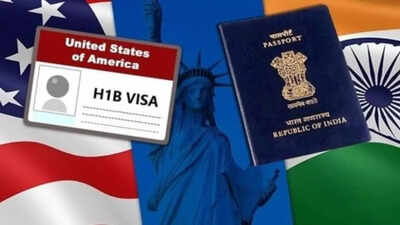
A once-strategic partnership between the United States and India, long built on mutual economic benefit, innovation and people-to-people ties, is now straining under sweeping immigration and trade policies implemented under former President Donald Trump’s administration. Policies such as the drastic
H-1B visa fee hike, broader immigration tightening and protectionist economic measures are not only disrupting the careers of Indian professionals but also reshaping decades-old norms that enabled some of the world’s brightest minds to thrive across borders. This shift has led to widespread concern across India’s technology sector, diaspora communities and global labour markets.
Trump’s H-1B visa overhaul: A turning point
At the heart of the controversy is Trump’s executive proclamation that imposed a staggering $100,000 annual fee on companies sponsoring H-1B visas, a quantum leap from the prior costs of roughly $2,000–$5,000.
This visa category has historically been the lifeblood of skilled immigration into the US, especially for Indian professionals in technology, engineering, healthcare and research.
H-1B Visa Shake-Up Fuels Anti-Indian Campaigns as Donald Trump's Policy Reshapes US Hiring
Indian nationals have long dominated the program. They accounted for an overwhelming share, upwards of 70% of approved H-1B visas in recent years, enabling them to fill critical roles in Silicon Valley and beyond. With the new fee structure in place, many Indian tech workers and their employers find the math suddenly untenable, prompting near-panic responses and urgent travel advisories in autumn 2025.

The fallout was immediate. IT giants such as Infosys, Tata Consultancy Services and others saw share prices slump as markets digested the implications of shrinking access to US labour opportunities. Critics argue that such a punitive pricing policy could dry up the pipeline of global talent that has powered America’s innovation economy for decades.
Trump’s H-1B visa disruption: Not just numbers but lives
The effects of these visa changes extend far beyond corporate balance sheets:
- Chaos at airports and sudden travel advisories circulated as professionals scrambled to return to the US before new rules took effect, a stark break from previous norms where H-1B holders travelled globally with minimal disruption.
- Indian diaspora groups have criticised extensive visa stamping delays and procedural bottlenecks, which some say “100% target” Indian professionals already vetted and legally in the US.
- Families and social lives are strained as migration routes once seen as stable livelihoods become uncertain or prohibitively expensive, sparking a mood of anxiety and hesitation among young professionals.
For many, the program that once symbolised opportunity and mobility now feels unpredictable and exclusionary. Opinion writers and policy analysts argue that the visa overhaul reflects a broader shift in US strategy, one that prioritises short-term political appeal over long-term cooperation.
Measures such as visa fee hikes and tariffs are undermining what was once a mutually beneficial relationship built on openness and shared prosperity. India’s contributions to the US economy run deep. Indian tech professionals have helped build and scale innovations at major technology firms, contributing billions in tax revenue and trillions in value to the American economy. Yet, many see the new policies as signalling that those contributions are no longer valued as they once were.