
- News
- World News
- US News
- Tariff war: How US decides who pays more; Trump spells out the 'formula'
Trending
Tariff war: How US decides who pays more; Trump spells out the 'formula'
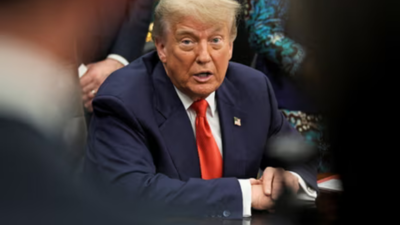
President Trump defended his administration's new import tariffs, citing common sense, trade deficits, and historical treatment by other countries. He announced tariffs ranging from 20 to 50 percent on several countries, including Brazil, the Philippines and others. These tariffs, part of Trump's crackdown on "non-reciprocal" trade practices, will take effect on August 1, 2025.
Poll
Do you support the new import tariffs announced by the US government?

About the Author
TOI Business DeskEnd of Article
Follow Us On Social Media









Photostories

Hot Picks
Top Trending
Explore Every Corner
Across The Globe
IND vs ENG LiveSean DuffyChinese scholarship programDerek CarrDelhi EarthquakePremila ThampiH1B Visa FeeTrump Tariffs BrazilBenjamin Hanil SongCoimbatore BlastBuck MoonWilmington Tunnel CollapseSanjay GaikwadFrancesca AlbaneseGrigor DimitrovDonald Trump TariffsNASA EmployeesNvidiaKemoko TurayFlorida Immigration LawBihar voter listBlue AlertTravis KelceEdmonton OilersLebron JamesNBA Trade RumorsFrank LaydenDevin BookerTom HollandWTC Points Table
Hot on the Web
Guru Purnima MessagesConstipation Relief FoodsShubhangi AtreSteel ContainersLiver Detox VegetablesGuru Purnima WishesSalman KhanFaisal MalikBaby Girl NamesRaj B ShettyKidney HealthAlia BhattHeart Attack SymptomsVitamin B12 DeficiencyMoringa For Hair GrowthVitamin D DeficiencyDing YuanzhaoLiver Damage SymptomsHigh Uric Acid SymptomsNeena GuptaStomach Cancer SymptomsHrithik RoshanFatty Liver SymptomsCancer Warning SignsAamir KhanOrange Coloured AnimalsArjun BijlaniBackward WalkingKannappa Box Office CollectionSitaare Zameen Par Box Office CollectionBlue Coloured AnimalsDemon SlayerLizard Detach Their TailsRichest People In IndiaJujutsu Kaisen Season 3Indian PythonBlood CancerBarbie DollShubhanshu ShuklaRealme 15 SeriesNYT Strands TodayTop Anime Teachers
Trending Topics
AP POLYCET ResultXAT 2026 RegistrationUP ECCE Educator RecruitmentAISSEE Seat AllotmentBPSC AE Admit CardIndia vs England 3rd Test MatchUP DELED ResultShikhar DhawanNIFT CounsellingSrilanka Cricket BoardVaibhav SuryavanshiJasprit Bumrah vs Jofra ArcherHow to Revise your SyllabusCSIR UGC NET ExamAP NEET UG Merit ListShubman GillNovak DjokovicIND vs ENG Lord PitchDelhi EarthquakeJaguar Fighter Jet CrashSanjay GaikwadBengaluru Theft NewsDehradun Dog AttackGurgaon RainBengaluru RapeThane School NewsChhangur BabaBengaluru Instagram NewsGambhira Bridge CollapseHyderabad MurderiPhone 16 ProNASA EmployeesNYT Connections TodayWordle Today HintsRishi SunakEarly Knee DamageElon MuskSabih KhanBitchatSam AltmanLinda YaccarinoNvidia
Popular Categories
HeadlinesSports NewsBusiness NewsIndia NewsWorld NewsBollywood NewsHealth+ TipsIndian TV ShowsTechnologyTravelEtimesHealth & FitnessNFLIntel The Learning CurveIndia vs EnglandAstrologyWeather TodayPlatinum Rate TodaySilver Rate TodayGold Rate TodayDelhi AQI TodayJune Bank HolidaysPublic Holidays in JuneStock Market HolidaysFinancial CalculatorsBSE HolidaysTechnology NewsInternational SportsPublic HolidaysBank Holidays
Latest News
NASA's DART mission ejected boulders from asteroid Dimorphos, offering new insight into asteroid collision outcomesMost compatible Indian couples and their zodiac signsGovinda once gave filmmakers an ultimatum: 'me or Madhuri Dixit'; How Rajesh Khanna's intervention helped—The story behind their brief falloutWhat is Triple H's Net Worth in 2025? Every detail you need to know about the Hunter’s yearly remuneration and net worthNo body, no relief: Missing Telangana's Sigachi workers' kin left in agonising limbo; call for strict & transparent regulationsZerodha CEO Nithin Kamath on future of investing and trading in a world of AI: ‘Tools like ChatGPT and Claude make it…’John Cena reveals his 'Barbie' cameo was a pure coincidence; recalls shooting the film in 2 hours - Deets InsideBoat Nirvana Zenith Pro, Nirvana Ivy Pro TWS in India, price starts at Rs 2,999Opens after 7-year wait: Maharashtra's Palava flyover faces controversy over road quality; MSRDC denies potholes‘No vacancy for CM post’: Siddaramaiah digs in heals, quashes Karnataka leadership change buzz; here's what he saidALLDAY Project Fans Embrace Shipping: Woochan and Youngseo's Chemistry Ignites Chan-Cat TrendPresident Murmu to attend special screening of Anupam Kher's 'Tanvi The Great' at Rashtrapati BhavanWhen Sunil Gavaskar was denied entry at Lord's!Actor Karthi's upcoming film with director Tamizh titled 'Marshal'You Can See Him! - Top WWE star bumps into the new ‘Superman’ movie-scape'Badass' first look: Siddu Jonnalagadda's wild side impresses in the new glimpse- WatchVedang Raina calls his bond with rumoured girlfriend Khushi Kapoor ‘easygoing and genuine’: ‘There’s a natural comfort between us’Hero Vida VX2 price dropped for limited period: How much you can save
Copyright © 2025 Bennett, Coleman & Co. Ltd. All rights reserved. For reprint rights: Times Syndication Service