
- News
- World News
- US News
- Russia probe: Why skeletons in aides’ cupboards worry Donald Trump
Trending
This story is from November 2, 2017
Russia probe: Why skeletons in aides’ cupboards worry Donald Trump
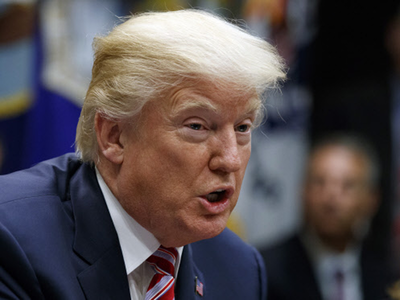
Donald Trump. (AP File Photo)
Key Highlights
Donald Trump has dismissed the arrest of his former campaign chief Paul Manafort as being unrelated to his election as US president. But it still is a nervous time for him, given the sweeping nature of the Russia probe and the confession by another aide, George Papadopoulos, that he had lied to the FBI.
Sleuths are probing deep and there are basically three kinds of crimes special counsel Robert Mueller’s team might uncover:
1. Crimes directly related to the election
Whether Trump’s team was involved in conspiracy to hack Hillary Clinton’s email, or violated campaign laws by seeking help from a foreign source.
2. Crimes committed during the probe itself
3. Crimes committed by Trump aides/associates even before they joined the campaign
This would be like the money laundering and tax fraud crimes Manafort is charged with.
The president could be in trouble
Mueller could simply make a report to the US House of Representatives with evidence of “high crimes and misdemeanours” and if the evidence were damning enough, it would put a lot of pressure on the House to begin impeachment proceedings. Thus, Mueller can take the first step towards ending Trump’s presidency.
Mueller has wide powers
Mueller has power to convene a federal grand jury (which he already has) and seek criminal indictments against person/s against whom evidence is found. If the grand jury signs off, that person is then arrested and charged, just like Manafort and Rick Gates.
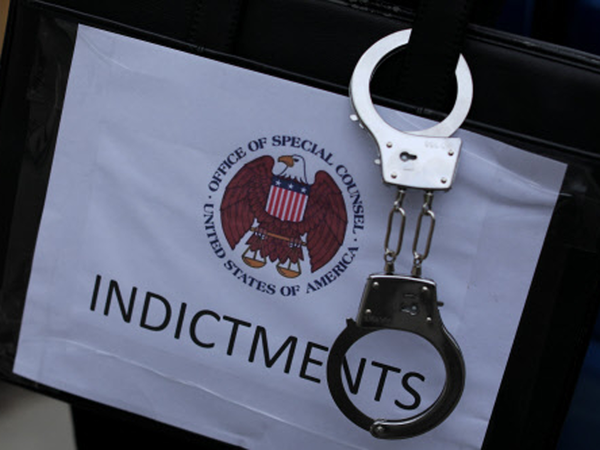
 A demonstrator dressed as US special prosecutor Robert Mueller attends a protest against Donald Trump outside Issa's office in Vista.
Can Mueller go for Trump?
Mueller has the legal authority to bring charges against any of Trump’s family members or associates. But there’s a legal debate on whether it’s constitutional for prosecutors to indict the president himself (no president has ever been indicted on serious criminal charges by a state or federal attorney).
Did firing FBI chief James Comey really help?
A probe into Russian links to Trump campaign was started by FBI in 2016 after hacking of democratic committee emails. But on May 9, 2017, Trump fired then-FBI director James Comey, who was overseeing the probe. On May 17, deputy attorney general Rod Rosenstein appointed Mueller as special counsel to probe links between Trump campaign and Russia.
Trump can sack Mueller, but it’s complicated
Only the attorney general can fire the special counsel. Due to attorney general Jeff Sessions’s recusal from all campaign-related investigations, Mueller is reporting to Rosenstein. However, Trump does have the authority to fire Rosenstein himself. The choice would then fall to Rachel Brand, No. 3 in the justice department, after Sessions and Rosenstein. If she also refuses, Trump would have to keep going until he finally found an official willing to fire Mueller.
Who is Mueller?
* He served as FBI director for 12 years under George W Bush and Barack Obama.
* He was earlier a Marine Corps veteran who fought in Vietnam and later served in justice department posts and private sector law firms.
* After Comey’s firing and before he was named special counsel, Mueller was in the mix to return to his old post as FBI director.
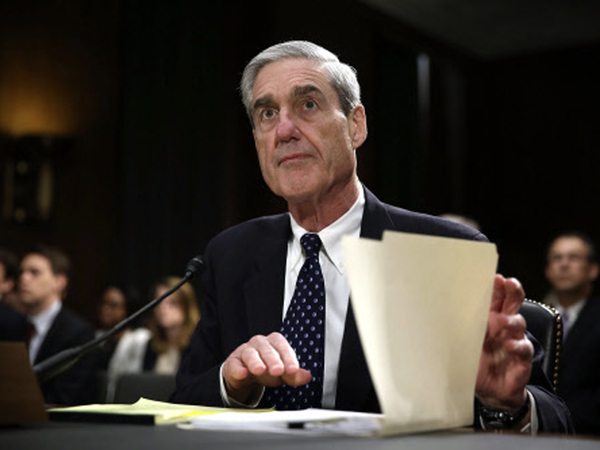
FBI Director Robert Mueller awaiting the start of a hearing before the Senate Judiciary Committee on Capitol Hill in Washington. (AFP File Photo)
Trump camp says Mueller’s team is biased
Trump says Mueller was too close to Comey to be able to impartially investigate the man who fired him and claims Mueller has hired a number of people with links to the Democrats who are, therefore, biased against Trump’s Republican administration.
(Source: Vox.com)
1. Crimes directly related to the election
Whether Trump’s team was involved in conspiracy to hack Hillary Clinton’s email, or violated campaign laws by seeking help from a foreign source.
2. Crimes committed during the probe itself
Witness intimidation, perjury, obstruction of justice, etc.
3. Crimes committed by Trump aides/associates even before they joined the campaign
This would be like the money laundering and tax fraud crimes Manafort is charged with.
The president could be in trouble
Mueller could simply make a report to the US House of Representatives with evidence of “high crimes and misdemeanours” and if the evidence were damning enough, it would put a lot of pressure on the House to begin impeachment proceedings. Thus, Mueller can take the first step towards ending Trump’s presidency.
Mueller has wide powers
Mueller has power to convene a federal grand jury (which he already has) and seek criminal indictments against person/s against whom evidence is found. If the grand jury signs off, that person is then arrested and charged, just like Manafort and Rick Gates.
Can Mueller go for Trump?
Mueller has the legal authority to bring charges against any of Trump’s family members or associates. But there’s a legal debate on whether it’s constitutional for prosecutors to indict the president himself (no president has ever been indicted on serious criminal charges by a state or federal attorney).
Did firing FBI chief James Comey really help?
A probe into Russian links to Trump campaign was started by FBI in 2016 after hacking of democratic committee emails. But on May 9, 2017, Trump fired then-FBI director James Comey, who was overseeing the probe. On May 17, deputy attorney general Rod Rosenstein appointed Mueller as special counsel to probe links between Trump campaign and Russia.
Trump can sack Mueller, but it’s complicated
Only the attorney general can fire the special counsel. Due to attorney general Jeff Sessions’s recusal from all campaign-related investigations, Mueller is reporting to Rosenstein. However, Trump does have the authority to fire Rosenstein himself. The choice would then fall to Rachel Brand, No. 3 in the justice department, after Sessions and Rosenstein. If she also refuses, Trump would have to keep going until he finally found an official willing to fire Mueller.
Who is Mueller?
* He served as FBI director for 12 years under George W Bush and Barack Obama.
* He was earlier a Marine Corps veteran who fought in Vietnam and later served in justice department posts and private sector law firms.
* After Comey’s firing and before he was named special counsel, Mueller was in the mix to return to his old post as FBI director.
Trump camp says Mueller’s team is biased
Trump says Mueller was too close to Comey to be able to impartially investigate the man who fired him and claims Mueller has hired a number of people with links to the Democrats who are, therefore, biased against Trump’s Republican administration.
(Source: Vox.com)
End of Article
FOLLOW US ON SOCIAL MEDIA









Hot Picks
TOP TRENDING
Trending Stories
In World
Entire Website
- Prince Harry set to receive major inheritance after he turns 40. He will get ...
- Food dye used in Doritos makes mice transparent, study finds
- "If we succeed with our plan, this would be largest attack on US ...," read message of Pakistani national arrested for planning terror attacks in New York
- From Cristiano Ronaldo to Lionel Messi: Top 5 footballers who own private jets
- Apple iPhone 16 launch event: Date and timings in India, how to watch Apple’s ‘It’s Glowtime’ event
- Controversial pre-wedding photoshoot in Karnataka's Tungabhadra reservoir ignites backlash
- Telegram CEO Pavel Durov announces new features to the platform after arrest: Here’s what’s changing
- EXCLUSIVE | 'Navdeep Singh ki technique Neeraj Chopra se bhi behtar hai'
- After overtaking Sachin Tendulkar, Musheer Khan sets fielding standards, gets brother Sarfaraz's love. Watch
- Jalen Hurts' relationship status has become a topic of discussion after Darius Slay's wife hinted at a possible engagement with Bry Burrows
- Kolkata rape-murder: 12 polygraph tests, 100 statements later, Sanjay Roy remains only accused
- Fear of BJP vanished within minutes of election result: Rahul Gandhi in US
- If Kejriwal doesn't get bail, can he run govt from inside jail?
- Owner 'forced' to change name of vegetarian dhaba in UP after threats
- Doctors' body slams TMC MP for calling youth's death consequence of doctors' protest
- 130 cities across 25 countries see protests over Kolkata rape-murder
- Was outrage over IC 814 manufactured to hide BJP govt’s failures?
- YouTube ‘doctor’ botches up surgery, kills 15-year-old
- Stop ‘cow lynching’ & ‘man lynching’ so all can live in harmony: RSS
- NEET UG Counselling: Over 600 new medical seats added for Phase 2, check detailed seat matrix here

Popular Categories
Hot on the Web
Top Trends
Trending Topics
Tamannaah BhatiaNational ParksHappy National Grandparents Day 2024Chiyaan VikramAishwarya Rai BachchanSlat WaterWeight GainGOAT CollectionVikas Sethi DeathMalayalam ProducersIndia's Best Dancer 4Kangana RanautIndian PopulationIndian National ParksLaung BenefitsKaun Banega Crorepati 16Apple iPhone 16 LaunchKamala HarrisHyundai Alcazar FaceliftWordle Answer
Living and entertainment
Latest News
Deepika Padukone and Ranveer Singh blessed with a baby girlHoroscope Today, September 9, 2024: Read your today's astrological predictionsThe zodiac signs most likely to bend the truth for attentionTrip to Greece? You may end up paying moreElon Musk launches X TV Beta to revolutionise streaming and social media: Check out it features, usage tips, and other details you must know'He is no Pappu': What Sam Pitroda said about Rahul Gandhi in USMan held for rape and murder of 13-year-old6 best hydrating foods that help you stay full and lose weight38,094 Ganesha idols immersed in Mumbai, half in artificial tanksApple event: iPhone 16 Pro likely to retain iPhone 15 Pro’s price pointBeau acquitted as minor girl says father falsely framed him in DehradunAaj Ka Panchang, September 9, 2024: Know Today's Shubh and Ashubh MuhuratTata LCC to complete on October 1; mega AI Express to have 100 aircraft by year end'Special and historical': PM Modi hails Indian contingent's record-breaking medal tally at Paris ParalympicsEXPLAINED - No Shreyas Iyer, no Mohammed Shami: The story behind their exclusion from first Test vs BangladeshMust we refer to caste or gurus when discussing Indian knowledge systems?After A Period Of Eighty-Two YearsBirthday Throwback: When Akshay Kumar called his wife THIS after she gave birth to son Aarav in 2002
Copyright © 2024 Bennett, Coleman & Co. Ltd. All rights reserved. For reprint rights: Times Syndication Service