
- News
- 'Marriage should be......otherwise Twisha...': Things gen z indian girls are refusing to tolerate anymore
'Marriage should be......otherwise Twisha...': Things gen z indian girls are refusing to tolerate anymore

Things gen z indian girls are refusing to tolerate
For years, Indian girls were taught to adjust, stay quiet, and put up with things that made them uncomfortable. But Gen Z girls - those born roughly between the late 1990s and early 2010s - are completely changing the game. They’re speaking up, setting clear boundaries, and refusing to accept disrespect, whether it’s in relationships, at work, in college, or even at home. This generation is bold, aware, and emotionally honest. They’re not afraid to say, "This is not okay for me."
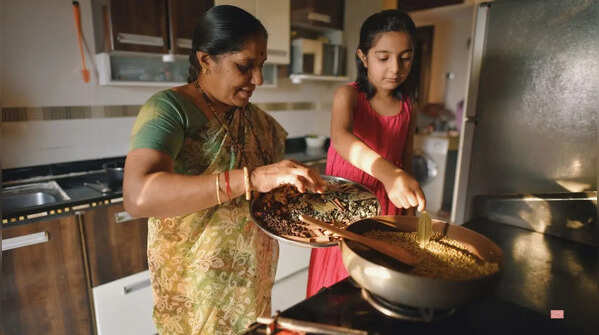
A generation that questions everything
Unlike older generations, Gen Z girls grew up with social media, global conversations, and easy access to all kinds of information. They’ve seen women openly talking about mental health, toxic relationships, sexism, body shaming, and harassment. Because of this, many Indian girls today are learning to question traditions that only ask women to sacrifice.
Twenty-four-year-old Manisha Gupta from Rishikesh says:
"Unlike our mothers and the women before us, who were expected to manage the kitchen alone whenever guests arrived, I cannot tolerate this gender bias anymore. Today, I want men to help just as much as women do. Managing the kitchen should not be solely a woman’s duty."
This kind of thinking is getting quite common among young women in India these days. Gen Z girls are openly asking why household chores mostly fall on women and why men don’t share the work equally. They are speaking up against the everyday gender biases that earlier generations simply accepted without saying anything.
'Adjustment' is no longer a duty
For a long time, girls were taught that being 'good' meant adjusting all the time. But Gen Z is rejecting this pressure.
Many young women now openly talk about red flags in relationships, emotional manipulation, and unequal expectations. They are choosing peace over approval.
Twenty-two-year-old Saloni Pathak from Haldwani shares:
"Taking care of the household and raising children is not only a woman’s responsibility. Men should help equally, and this is something I am no longer willing to tolerate silently."
For many Gen Z women, questioning unequal expectations at home is no longer seen as disrespectful or rebellious. Instead, they view shared household responsibilities and equal parenting as basic fairness in modern relationships.

Challenging restrictions on women’s freedom
Twenty-three-year-old Kumari Anusha from Ranchi says:
"There should not be fixed time limits only for women, nor should they be questioned for coming home late from work. We also need to normalise solo travelling for women without judging their character or choices."
For many young women today, freedom is not just about career opportunities but also about being trusted to make their own decisions. Gen Z women are increasingly speaking up against restrictions that are imposed only on women.

Questioning society’s pressure around marriage
Twenty-two-year-old Jahanvi Sharma from Surat says:
"There should not be an age limit or social pressure for women to get married. Early or forced marriages can ruin lives. Cases like Twisha Sharma clearly show why women should have the freedom to choose when and whom they want to marry."
Many Gen Z women today are openly rejecting the old pressure that they must get married by a certain age. Instead, they believe marriage should be their own personal choice - based on consent, emotional readiness, and independence, not family pressure or society’s timeline.

Choosing themselves without guilt
One big shift in Gen Z girls is that they’re learning to put themselves first without feeling guilty about it. Many are focusing on their careers, mental health, solo trips, and financial independence before marriage or family pressure.
They’re also becoming more comfortable saying 'no' - to unfair rules, toxic relatives, or controlling partners. This doesn’t mean they hate traditions or relationships. It simply means they want respect, equality, and emotional safety.

The change India is witnessing
The rise of confident Gen Z girls is slowly changing Indian society. Families, workplaces, and even dating culture are being forced to change. Of course, it’s not easy. Many young women still get criticised for being 'too modern' or 'too outspoken.' But they don’t back down. This generation has understood one important thing: tolerance should never come at the cost of your dignity. And that’s probably the biggest difference.
Featured In

