Story: After a tragic incident, young athlete Lucky infiltrates Punjab’s dangerous rap scene to expose a drug cartel, but finds himself torn between loyalty, love, guilt, and family as the blurred lines between justice and survival close in.
Review: Punjab’s growing rap culture has often been romanticised on screen — loud music, flashy rivalries, and rebellion packaged as entertainment. But this series digs deeper beneath the beats and bravado to expose a darker underbelly shaped by drugs, trauma, revenge, and fractured relationships. Set against the street rivalries of Chandigarh, the eight-episode drama blends rap battles with emotional turmoil, creating a world where music becomes both an escape and a weapon. While the series occasionally loses momentum under its melodrama and stretched musical portions, it still delivers a compelling, emotionally charged story that remains engaging throughout.
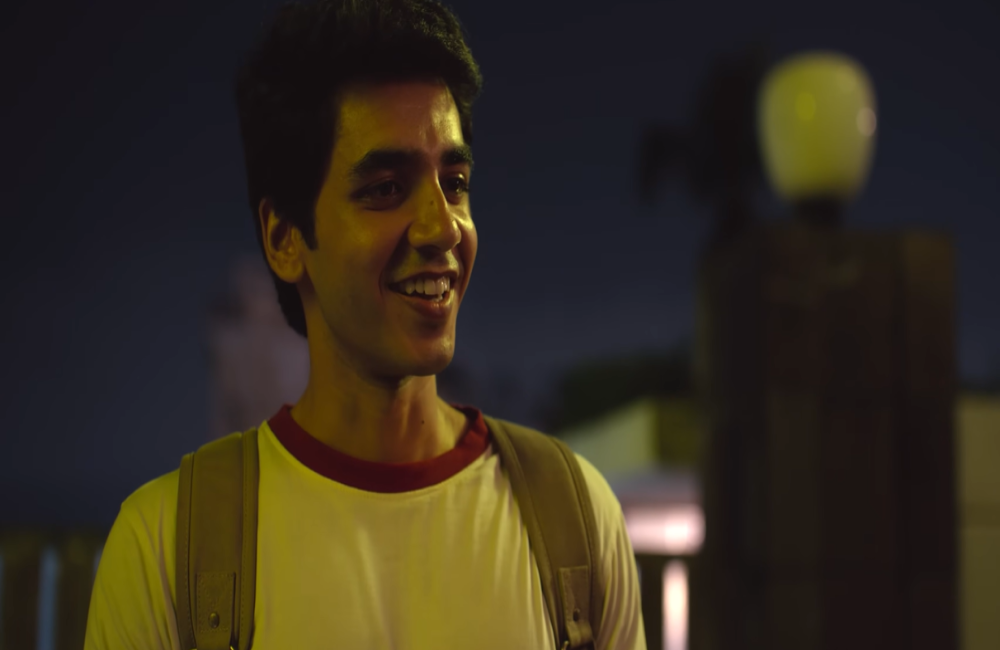
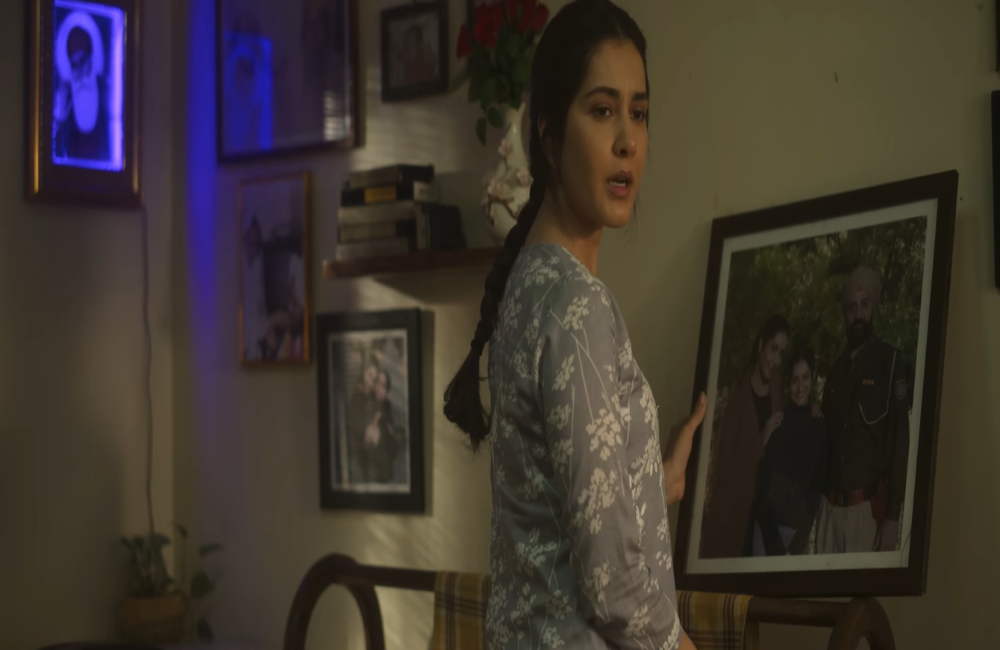
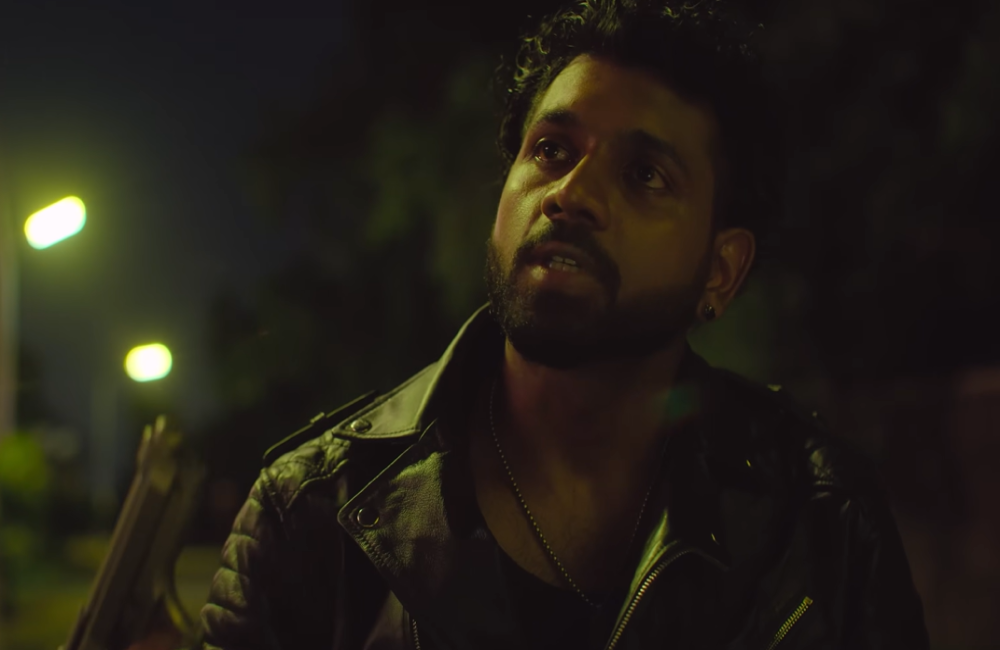
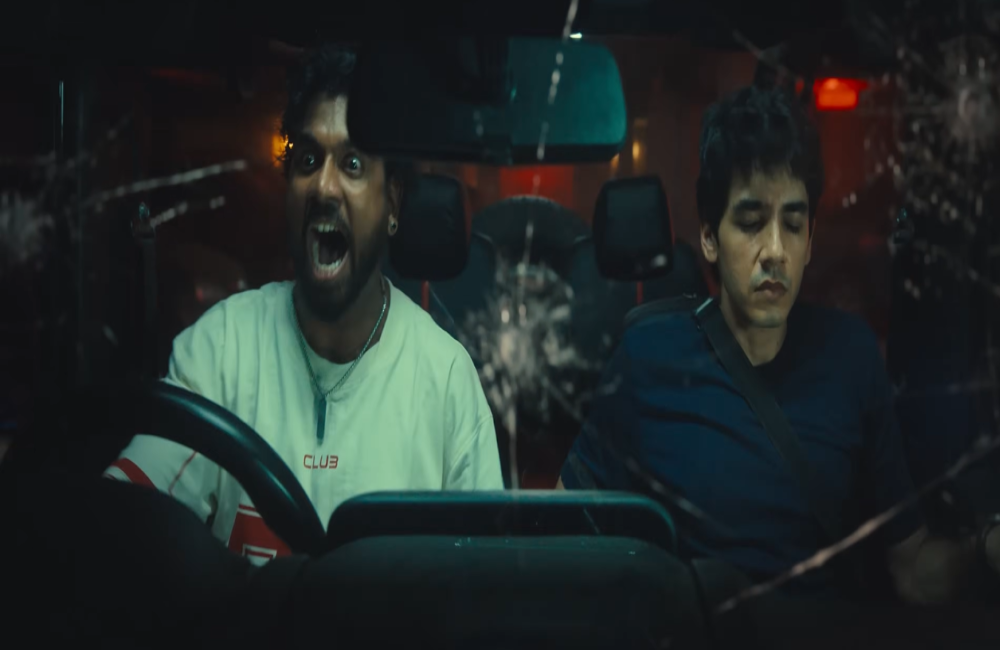
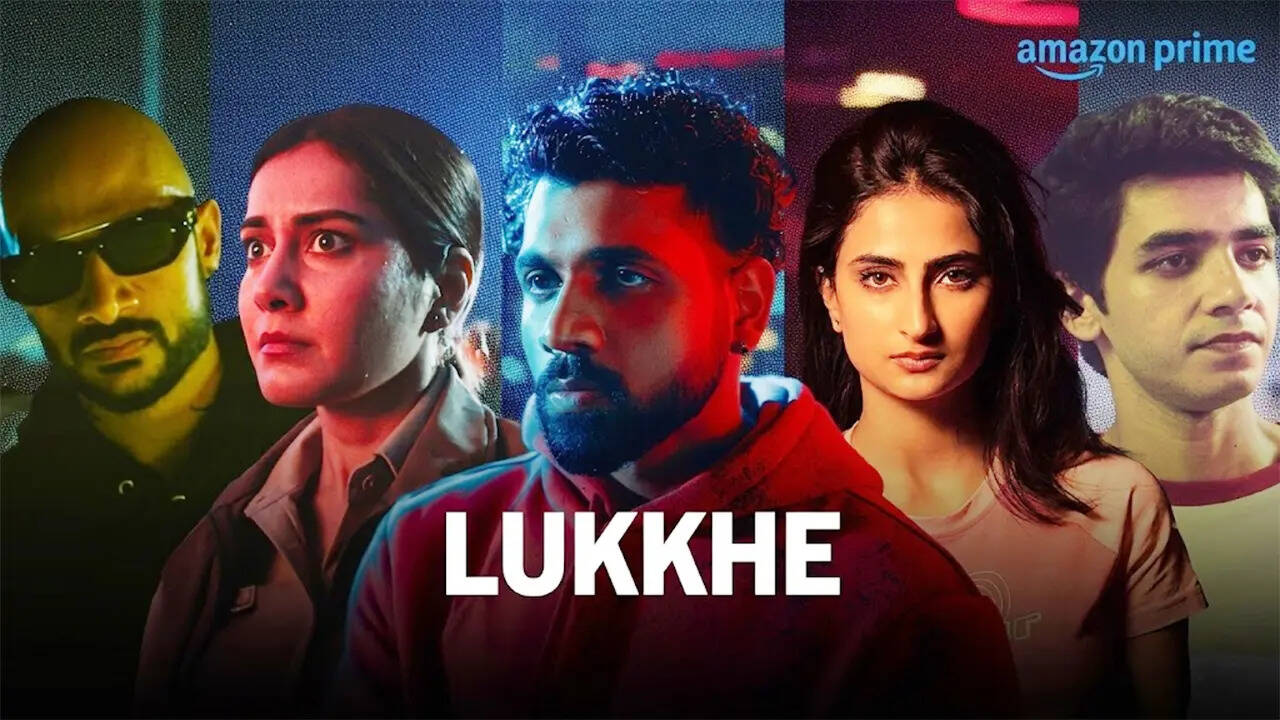
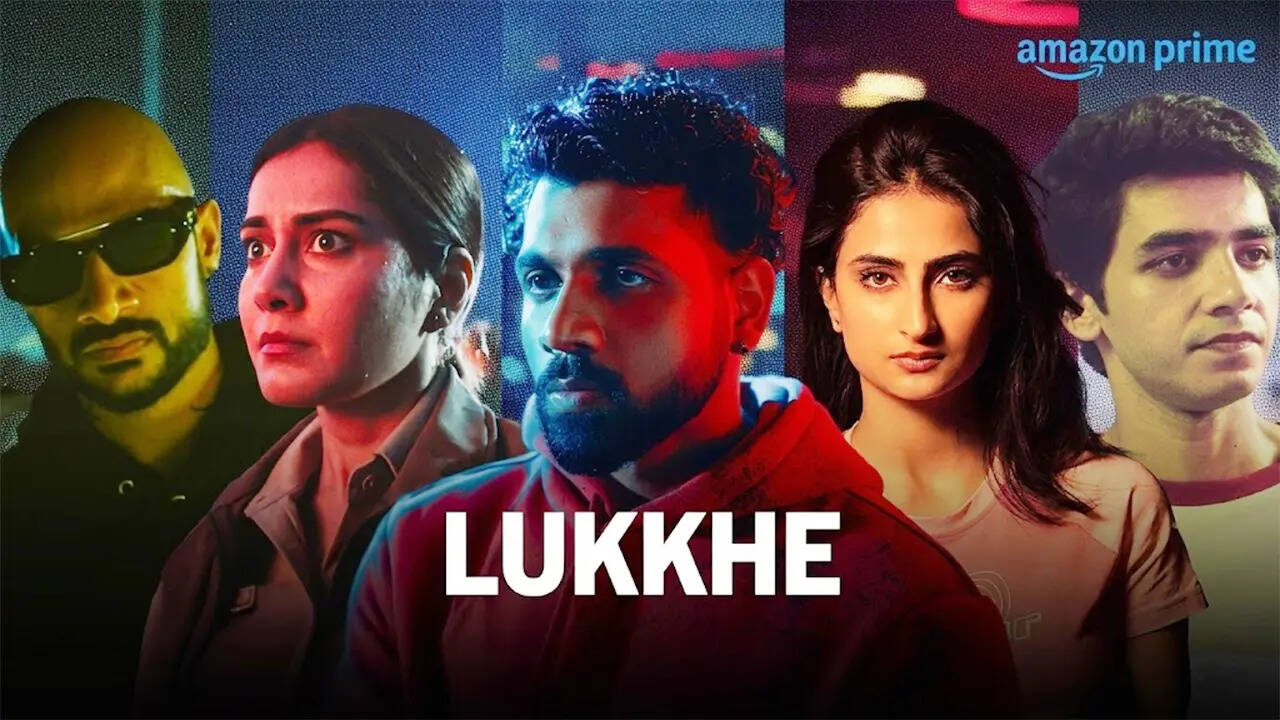
Created by Agrim Joshi and Debojit Das Purkayastha and directed by Himank Gaur, the show opens on a gripping note. On one side is the simmering feud between two rival rappers — Badnaam (KING) and OG (Shivankit Parihar) — whose conflict is rooted in ambition, ego, and revenge. Running parallel is Lucky’s (Lakshvir Singh Saran) journey, a promising hockey player gradually slipping into the world of drugs. His admission into a healing centre introduces him to Sanober aka Sanno (Palak Tiwari), a musician battling her own emotional scars. Their romance blossoms quietly amid chaos, only to get entangled in the larger battle involving rapper Badnaam and determined police officer Gurbani Kaur (Raashii Khanna).
What works strongly in the series is its ability to balance multiple emotional threads without making the narrative feel overcrowded. Revenge remains the driving force, but beneath that lies a more layered exploration of grief, addiction, friendship, guilt, and redemption. The writing gives nearly every major character an emotional anchor, making their actions feel believable even when the drama becomes heightened. The creators successfully establish the psychological baggage each character carries, ensuring they are not reduced to mere archetypes within a crime-musical drama.
The show’s atmosphere is one of its biggest strengths. Himank Gaur builds a gritty and stylised world where rap culture naturally blends into the storytelling rather than feeling artificially inserted. The performances during rap battles and stage sequences bring visual energy to the narrative, while the emotional moments maintain enough sincerity to keep viewers invested. The soundtrack complements the mood effectively, although surprisingly, very few tracks linger in memory once the episodes end. For a show so heavily rooted in music, that becomes one of its noticeable shortcomings.
The pacing, too, feels inconsistent at times. With episodes running nearly 40 minutes each, several stretches appear longer than necessary, especially during repetitive musical montages and melodramatic exchanges. A tighter edit could have made the storytelling sharper and more impactful. Yet, because the emotional core remains intact, these flaws never entirely derail the experience.
Performance-wise, the cast keeps the narrative afloat even during weaker stretches. KING, making his acting debut as Badnaam, delivers a surprisingly controlled performance. He convincingly portrays a troubled artist caught between aggression and vulnerability, especially in scenes involving his sister Sanno and his closest friends Paddy (Kritika Bharadwaj) and Jazz (Nakul Roshan Sahdev). However, his expressions remain largely the same, making it difficult to gauge emotional transitions in certain moments. Still, his screen presence suits the role’s brooding nature.
Palak Tiwari emerges as one of the stronger surprises of the show. As Sanober, she portrays anxiety and emotional trauma with restraint instead of exaggeration. Her chemistry with Lakshvir Singh Saran’s Lucky adds warmth to an otherwise dark narrative. Lakshvir himself handles Lucky’s emotional breakdown and inner conflict sincerely, making his gradual transformation believable.
Shivankit Parihar, widely recognised for his comic timing, takes an impressive detour with the role of OG. His performance carries menace and unpredictability, making him an effective antagonist. Raashii Khanna, meanwhile, brings intensity and conviction to Gurbani Kaur, ensuring the police officer never feels like a token “strong cop” character. Even actors like Yograj Singh and Ayesha Raza Mishra, despite limited screen time, leave a noticeable impact.
The series carries an inherently dark tone throughout, but it never becomes emotionally hollow. In fact, its biggest success lies in making viewers empathise with every character despite their flawed decisions. Unlike conventional revenge dramas that rely solely on violence and action, this show leans heavily into emotional consequences. Those expecting a relentless action-heavy narrative similar to larger revenge sagas may find it comparatively restrained. But viewers willing to invest in character-driven drama will find enough substance here.
Its tagline — “Rap aur Badla, Dono Loud Hai” — perfectly captures the spirit of the series. Both the music and the emotions are loud, chaotic, and impossible to ignore. Even with uneven pacing and forgettable songs, the show succeeds because of its emotional honesty and layered storytelling. It may not completely redefine the musical crime-drama genre, but it certainly delivers enough heart, grit, and intensity to make the journey worthwhile.













































































 Himank GaurDirector
 Nakul Roshan SahdevActor
 Lakshvir SaranActor
 Palak TiwariActor
 Shivankit Singh PariharActor
 Raashi KhannaActor
 Yograj SinghActor
 Ayesha Raza MishraActor













0/5