
- News
- Videos News
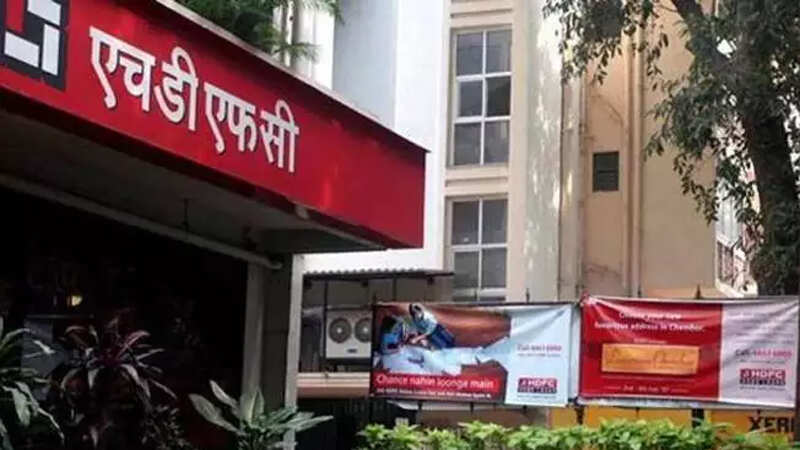
- HDFC to raise up to Rs 13,000 crore via QIP, preferential issue
Trending
HDFC to raise up to Rs 13,000 crore via QIP, preferential issue
| Dec 19, 2017, 09:05:27 PM | ET Now
- Share
Housing finance major HDFC said it has received a board approval to raise up to Rs 13,000 crore through preferential issue of shares. The capital raised from the mega-fundraising plan will be utilised in buying shares of HDFC Bank for an amount worth Rs 8,500 crore via preferential issue. The bank has proposed to raise capital to fund its growth. The fund raising is likely to be completed within the next one year. HDFC, along with its wholly-owned subsidiaries, currently holds 21.01 per cent in HDFC Bank.
Recommended Playlist
- 08:49
 RBI Slashes Rates After Rupee Fall, Boosts Liquidity And Lifts India’s GDP Forecast To 7.3%3 months ago
 - 11:16From Real Estate To IPR, Chadha Urges Govt To Unlock Wealth Through A Comprehensive Tokenisation Law3 months ago
- 04:13Budget 2026: Individual Investment Limit For Overseas Residents Doubled To 10%, Sitharaman Announces1 month ago
- 03:24Hrithik Roshan rents out sea-facing Juhu home to Girlfriend Saba Azad for ₹75,000/month6 months ago
- 03:25Can Save Rs 450,000 Crore Through One Nation One Election, Says JPC Chairman Ahead of Meeting10 months ago
- 04:49I want to contribute in every match and win the trophy for DC: Abhishek Porel10 months ago
- 02:08Ashutosh Sharma says DC aiming for three wins to seal playoffs spot10 months ago
- 00:00PM Modi Reviews Flood Damage, Announces ₹1,600 Cr Aid For Punjab, ₹1,500 Cr For Himachal6 months ago
- 04:49I want to contribute in every match and win the trophy for DC: Abhishek Porel10 months ago
- 05:24IPL releases, trades, retentions squad: Why Delhi Capitals must look to buy Prithvi Shaw, again!4 months ago





Top Viral Videos

- 05:50Asaduddin Owaisi Slams PM Modi Over Iran War Says India Lost Neutral Voice In Global Peace Efforts39 views | 1 hour ago
- 10:24'Bunch Of Lies': Bengal Poll War Heats Up As BJP And Congress Attack TMC's Poll Manifesto Claims23 views | 1 hour ago
- 08:11HUGE! Iran Missile Strike Lands Right Next To Al-Aqsa Mosque In Jerusalem, Casualties On Eid2.6K views | 2 hours ago
- 13:26‘Would Be Nice If…’: Trump Urges China To Resolve Hormuz Crisis Even After Getting Ignored280 views | 2 hours ago








Short Videos







Explore Every Corner
Across The Globe
Israel Iran WarLPG Shortage IndiaPremium Petrol Price HikeNFL Free AgencyGiannis antetokounmpoMark Davis60% free seat ruleStrait of HormuzAir India Boeing 777Angkrish RaghuvanshiISRO space debrisJonathan BrownIndustrial diesel priceUAE weatherLuana CarolinaPew research center8th Pay CommissionOthman bin Affan MosqueICE custodyAnthony AlbaneseJames GraceyBhuvana ChilukuriEpstein LookalikeSpring 2026Bank Holiday TodayRBSE Class 10 ResultRajasthan Board 10th resultIPL Points TableIPL 2026IPL 2026 Schedule

Hot on the Web
Dhurandhar 2 ReviewR MadhavanEidDhurandhar 2 Box Office CollectionEid Mubarak WishesDhurandhar 2 ReviewRajpal YadavShobhaa DeDhurandhar 2 OTTUstaad Bhagat Singh CollectionChuck Norris DeathNota FatehiAditya DharDhurandhar 2Dhurandhar2 Box Office CollectionEid ul Fitr 2026 Hindi ShayariPanchayat Season 5Eid 2026 DateVenus Enters AriesBaby NamesMovierulzDanish IqbalYouth Box Offiec CollectionAadu 3 Box Office CollectionAamir KhanEid-Ul-Fitr 2026 MessagesAishwarya Rai Parenting LessonsHoroscope TodayNavratri Nine ColoursEid 2026 Moon Sighting TimingsToday Gold Rate in ChennaiDelhi Weather TodayDelhi AQI TodayMumbai AQI TodayMaharashtra Public Holidays 2026Aravind SrinivasJensen HuangFastag PaymentSam AltmanWorld Largest Network BotnetsSkoda Kushaq Facelift
Trending Topics
Chloe KimJonathan BrownMatthew KniesTom BradyDennis RodmanGabrielle UnionJalen HurtsOdell Beckham JrDwight HowardClavicularTravis KelceAlexander GilkesPhil MickelsonLe'Veon BellTravis HunterDaniil MedvedevOpel Formula ECrimson DesertNFL free agent QBFlorian MarlièreAaron RodgersKimi AntonelliStuart SkinnerMean Joe GreeneTaylor SwiftCameron JordanHSTikkytokkyNASA starshipBrittany MahomesYouTube Messaging FeatureMark ZuckerbergStryker CyberattackJensen HuangSuper MicroOpenai Acquires AstralEid AI Photo Editing PromptsOppo k14Vs Oppo a6sLarry EllisonScience NewsHow to watch ICC T20 World Cup 2026 in USAIPL 2026IPL Schedule 2026
Popular Categories
HeadlinesSports NewsBusiness NewsIndia NewsWorld NewsBollywood NewsHealth+ TipsIndian TV ShowsTechnologyTravelEtimesHealth & FitnessAstrologyInternational SportsDeorhiTechnology NewsAutoWeather TodayGold Rate Today DelhiSilver Rate TodayPlatinum Rate TodayIs Bank open todayIPL 2026IPL Schedule 2026Bank HolidaysPublic HolidaysBank Holidays in MarchPublic Holidays in MarchAries HoroscopeGemini Horoscope
Latest News
Tech glitches hit Dhurandhar 2’s paid previewsEmotional Distancing is the new dating style: Why people feel close but stay detachedAnishma tells 'Youth' director Ken Karunas: 'Watching your dreams come true is so beautiful!''A powerhouse of talent': Ranvir Shorey hails Gaurav Gera aka Mohammad Alam’s transformation in 'Dhurandhar: The Revenge'Goldman Sachs to shareholders in annual letter: We are using AI, and generative AI models are prone to making mistakes, which could result in...The curious comfort of a well-built watchlistUma Thurman avoided action roles for 20 years, reveals what made her change her mindWord of the Day: SomniloquyOscar-nominated film on hold to ‘protect Indo-Israel ties’?'3 ducks ke baad ... bat de de': Abhishek Sharma's message to Shubman GillWill Putin cut Iran loose for Ukraine? What Russian envoy said on quid pro quo claimsTrump sanctions waiver for Iran crude oil: What does it mean for India amid Strait of Hormuz supply disruptions?Goa Board HSSC result 2026 today: When and how to check GBSHSE Class 12 resultsMalayalam film actress molested in Kochi; 1 held‘Won’t let Modi ji snatch rights’: Mamata Banerjee targets BJP during Eid in Kolkata -watchIndia's crude shuffle: How Iran's Hormuz chokehold rerouted oil imports from Gulf to Russia‘Jana Nayagan’ censor row: Director Ameer slams 'political interference' and lack of transparencyWhy Margot Robbie chose privacy over public life: From media backlash to motherhood and finding clarity in her 30s
Copyright © 2026 Bennett, Coleman & Co. Ltd. All rights reserved. For reprint rights: Times Syndication Service