Arunachal Pradesh: Namdapha National Park and Kamlang Wildlife Sanctuary designated as eco-sensitive zones
Arunachal Pradesh: Namdapha National Park and Kamlang Wildlife Sanctuary designated as eco-sensitive zones
You're Reading

Arunachal Pradesh: Namdapha National Park and Kamlang Wildlife Sanctuary designated as eco-sensitive zones Maharashtra: Asia's longest double-decker flyover inaugurated in Nagpur Kashmir: First snowfall of the season hits Gulmarg and Gurez, temperatures drop across the valley IMD issues ‘Yellow’ alert for Kerala: Rainfall to continue till October 11


Synopsis
Namdapha National Park & Tiger Reserve and Kamlang Wildlife Sanctuary & Tiger Reserve in Arunachal Pradesh have been designated as Eco-Sensitive Zones (ESZ) by the MoEFCC, enhancing conservation efforts. Chief Minister Pema Khandu … Read more
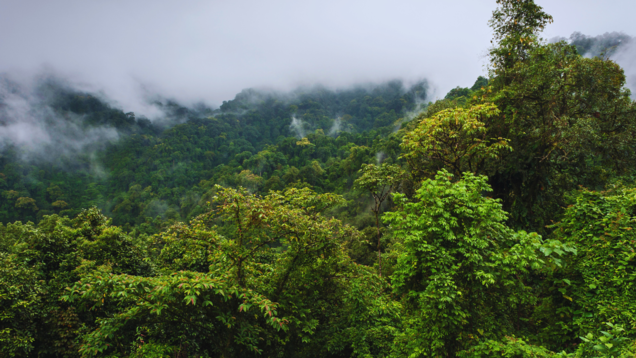

National parks in India that will reopen for tourists in October
Chief Minister Pema Khandu announced this development in the microblogging site X, expressing his delight at the declaration. He added that he was delighted to share that @moefcc has declared Namdapha National Park & Tiger Reserve (Changlang district) and Kamlang Wildlife Sanctuary & Tiger Reserve (Lohit district) as Eco-Sensitive Zones (ESZ).


Read more: Most overrated destinations in Asia
The Chief Minister also informed that earlier in February 2024, Pakke Tiger Reserve was included in the same ESZ category. He explains that such destinations open the door for targeted conservation efforts, which are essential for protecting rare plant and animal species and ensure the sustainability of the environment and the balance of ecosystems.
The said designation attempts to safeguard regions where climate change and human activities may have had an impact on ecosystems, right next to protected zones. By providing additional protection to the core sections of the reserves, these environmentally sensitive areas function as buffer zones, ensuring that conservation efforts continue beyond the boundaries of protected lands.
Read more: Budget travel: 10 places to explore in India under INR 10,000
Namdapha Tiger Reserve, originally designated as a reserve forest, was declared a Wildlife Sanctuary in 1972 under the Assam Forest Regulation. It became a National Park in 1983 and later a Tiger Reserve under the Project Tiger Scheme, further establishing its status as a key conservation site in India. It is home to a range of rare and endangered species, including clouded leopards and red pandas.
The Kamlang River flows through the Kamlang Wildlife Sanctuary, which gets its name from the equally varied flora and species that inhabit there. The sanctuary is crucial for the protection of species like the Hoolock gibbon and hornbills, making it a key site for biodiversity conservation in the region.
Both reserves will now have more protection thanks to the ESZ classification, which will support sustainable development while preserving these essential habitats.

closecomments

Be the first one to review.
We have sent you a verification email. To verify, just follow the link in the message
end of article

Visual Stories

10 pretty Indian villages to visit this year-end

8 castles in Germany straight out of a fairy-tale

8 tiger reserves every wildlife enthusiast should visit in India

10 animals that are easily spotted in Ranthambore National Park

How to prepare for a night safari in India?

9 rare animals to spot in the Western Ghats and where to find them



Trending Stories
8 pink-coloured attractions around the world every traveller should visit once
6 incredible Indian villages where humans and wildlife coexist closely
This American state is known as the ‘Rainbow Capital of the World’; what travellers must know before planning a trip here
IMD warns of intense heatwaves and heavy rain across these popular tourist regions in India; what travellers need to know
10 items travellers are not allowed to carry in hand baggage (number 5 might surprise you)




Comments (0)