
- News
- lifestyle
- travel
- destinations
- 6 incredible Indian villages where humans and wildlife coexist closely
6 incredible Indian villages where humans and wildlife coexist closely
6 incredible Indian villages where humans and wildlife coexist closely
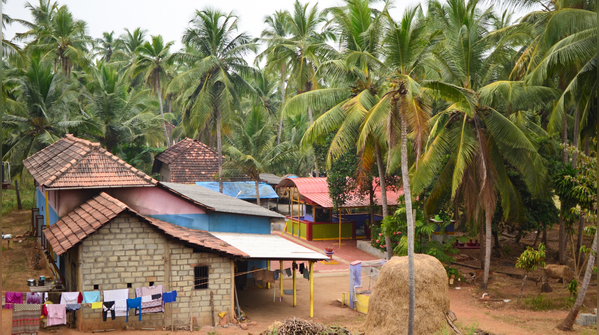
For decades, the Indian wildlife tourism playbook was incredibly rigid: book a safari gypsy, enter a heavily fenced national park, snap photos of animals from a safe distance, and retreat to your luxury resort long before sunset. The unwritten rule was that humans and wildlife belonged to entirely separate, isolated worlds. But if you look closely, scattered across the country are a handful of villages quietly ripping up that rulebook. In these unexpected pockets of India, the lines are completely blurred. You’ll find leopards casually strolling past local temples, migratory birds taking over community farmlands, and snow leopards navigating ancient grazing routes. More importantly, you'll find locals willingly bending their own lives and livelihoods to make room for these animals.
If you want a wildlife experience that goes way deeper than a standard safari, these are the places you need to see.
Image Credit: Canva
Bera, Rajasthan
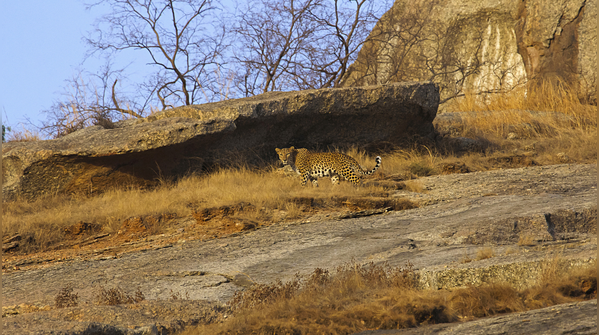
Tucked away in the granite hills of Rajasthan’s Pali district, Bera completely ignores the traditional wildlife destination blueprint. Here, you just have Rabari herdsmen walking the dusty, boulder-strewn landscape while leopards nap quietly in the caves right above them.
What makes Bera absolutely mind-blowing is that around 50 to 60 leopards live freely here, well outside any official national park boundaries. Even if a leopard occasionally takes a calf from their herd, the villagers almost never retaliate. Open-jeep safaris run early in the morning and late at night, boasting an insanely high sighting rate.
How to reachJodhpur is your closest airport, and about a 3-hour drive away and Falna Junction (35 km away) October to March offers the best weather and animal movement.
Image Credit: Canva
Kheechan, Rajasthan
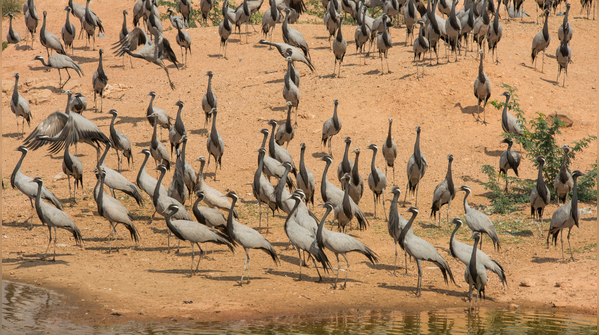
Every winter, the quiet desert village of Kheechan transforms into one of India’s most extraordinary birding spectacles. Thousands of Demoiselle Cranes arrive here from regions such as Mongolia, Central Asia, and parts of Europe, filling the skies with constant movement and noise.
What makes Kheechan even more remarkable is the story behind this annual migration gathering. Decades ago, a local resident began feeding a small number of visiting cranes with grain. Over time, the tradition grew into a community effort, and today the entire village helps feed enormous flocks daily at a dedicated feeding ground known as the Chugga Ghar. Watching thousands of cranes descend together at sunrise is an unforgettable sight.
How to reachKheechan is located near Phalodi, around 135 km from Jodhpur. Many travellers choose to stay in Jodhpur or Osian and visit Kheechan as a day trip. The best time to witness the cranes is between November and February. While here, visitors can also explore traditional mud houses, observe rural desert life, and enjoy authentic Rajasthani cuisine.
Mangalajodi, Odisha
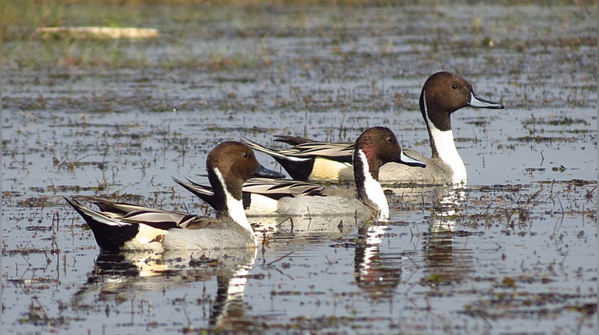
Sitting right on the edge of Chilika Lake, Mangalajodi is easily one of the greatest redemption stories in Indian conservation. Years ago, the locals here made their living by poaching migratory birds. Today, those exact same people are the ones guarding the flocks and guiding tourists through the wetlands.
During the winter, these shallow waters are packed with flamingos, geese, lapwings, and herons arriving from as far away as Siberia. You can glide through the marshes in traditional wooden boats, manually pushed along by locals using long bamboo poles.
How to reachIt’s an easy 70 km drive from Bhubaneswar via Tangi. November to February is the best time to visit. Do the misty early morning boat ride, chat with the ex-poachers, and dig into the local seafood.
Image Credit: Wikipedia
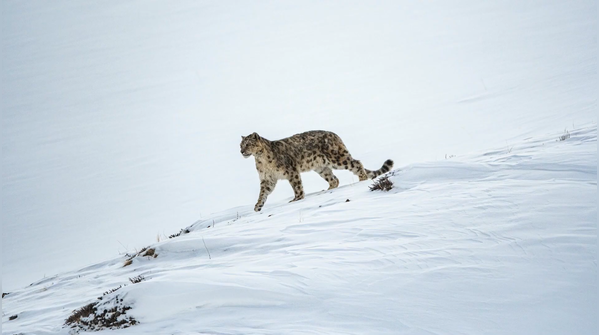
Kibber, Himachal Pradesh
Perched at a breathless 14,000 feet in the cold desert of the Spiti Valley, Kibber looks beyond imagination and the landscape is home to the ultimate elusive predator: the snow leopard.
For a long time, the locals took a massive hit from leopards killing their livestock. But rather than declaring war on the cats, the village partnered up for conservation. They introduced livestock insurance, built predator-proof animal enclosures, and set aside grazing land specifically for wild prey. Now, snow leopard tourism is a massive winter economy. The locals serve as expert trackers, reading the snowy slopes to help visitors spot the cats.
How to reach
Drive up from Manali or Shimla, using Kaza as your major base camp. January to March is prime time for big cat tracking, though the summer months are great for trekking.
Image Credit: Wikipedia
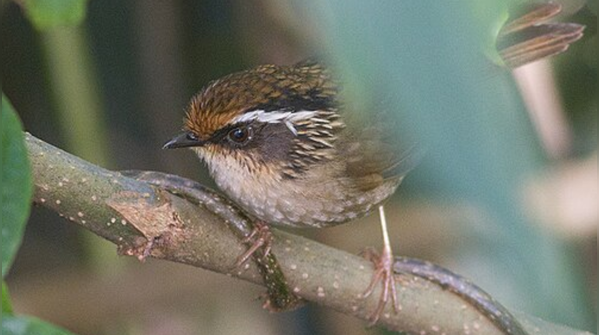
Khonoma, Nagaland
About 20 km outside Kohima sits Khonoma, a place that entirely flipped its relationship with the forest. Historically, this community relied heavily on hunting. But in a massive cultural pivot, the village collectively decided to ban both hunting and logging, eventually earning the title of India’s very first officially recognized green village.
Today, the surrounding woods are a safe haven for clouded leopards, hoolock gibbons, and rare birds. Visually, Khonoma is stunning, patched together with stone paths, terraced farms, rolling green hills, and traditional Angami houses.
How to reachReach Dimapur first, located 74 km away from Kohima, from there take a taxi or bus to reach the destination. The best time to visit it is winter and spring. Try to time it with the local festivals for a fully immersive eco-tourism experience.
Image Credit: Wikipedia
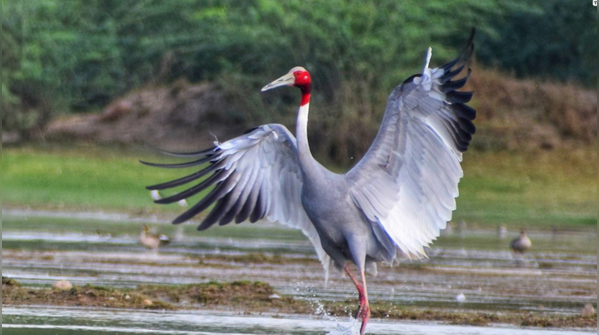
Menar, Rajasthan
Just 45 km out of Udaipur, Menar has quietly earned the nickname of Rajasthan’s "bird village." But unlike the chaotic, famous bird sanctuaries, the vibe here is intensely intimate and quiet.
Every winter, the wetlands around the village are swarmed by pelicans, flamingos, and cranes. What’s truly wild is how fiercely the locals protect them. They voluntarily gave up fishing and even sacrificed farming opportunities right next to the nesting zones just to keep the birds undisturbed. Morning walks here are pure magic, just the sound of temple bells, bird calls echoing across the water, and bicycles rattling down narrow lanes. It feels deeply connected to everyday rural life.
How to reachTravellers can reach Udaipur by train or flight. The village is about 50 km from the city centre. October to March is the best time to visit. After birdwatching, explore the old havelis, local temples, and eat your weight in traditional Mewari food.
Image Credit: Instagram/ rajasthan_tourism
Featured In lifestyle

MORE FROM ETIMES
life & style