Ganga River likely changed direction 2500 years ago due to a massive earthquake, reveals study
Ganga River likely changed direction 2500 years ago due to a massive earthquake, reveals study
You're Reading

Ganga River likely changed direction 2500 years ago due to a massive earthquake, reveals study Himachal Pradesh weather update: Heavy rains prompt closure of over 100 roads in the state Saudi announces multiple visa options for Indians Mysterious castle emerges from sand dunes in North Carolina’s Outer Banks!


Synopsis
As climate change and human activities continue to impact river systems worldwide, the lessons learned from this ancient earthquake may hold important insights for navigating the Ganga's ever-changing course in the years to come.

15 countries with most interesting nicknames
Those visiting Bangladesh or are planning to visit this place, can explore the dynamic landscape shaped by ancient seismic activities. The study's findings shed light on the region's dynamic geography and the potential for future seismic events to reshape the landscape. As climate change and human activities continue to impact river systems worldwide, the lessons learned from this ancient earthquake may hold important insights for navigating the Ganga's ever-changing course in the years to come.


Read more: 10 facts about Ganges, the largest river in India
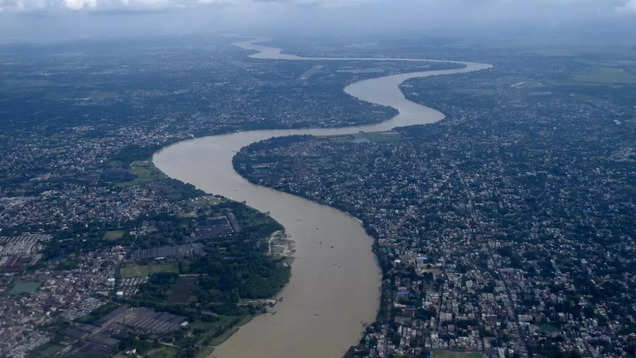
Approximately 2,500 years ago, a powerful earthquake, possibly with a magnitude of 7-8, may have dramatically altered the course of the mighty Ganga River in present-day Bangladesh. This extraordinary geological event, recently uncovered by a new study published in Nature
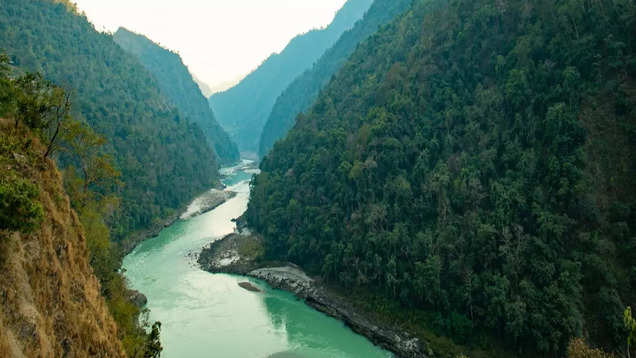
The study, published in Nature Communications, highlights how such a quake could have inundated anything in its path. The Ganga River, originating in the Himalayas, merges with the Brahmaputra and Meghna rivers before flowing into the Bay of Bengal, forming the world’s second-largest river system after the Amazon.
Read more: 5 famous national parks in Gujarat for wildlife enthusiasts
While avulsions, or river course changes, are common and often triggered by earthquakes, this is the first confirmed instance of an earthquake causing avulsion in a major delta, according to lead author Elizabeth L. Chamberlain of Wageningen University, Netherlands.
The quake's origin might be from a subduction zone to the south and east, where an oceanic crust plate is pushing under Bangladesh, Myanmar, and northeastern India, or from faults at the Himalayas' base, which are rising due to the Indian subcontinent's collision with Asia. A 2016 study led by Steckler showed these zones building stress, capable of producing earthquakes similar to the one 2,500 years ago. Such an event today would impact around 140 million people.

closecomments

Be the first one to review.
We have sent you a verification email. To verify, just follow the link in the message
end of article
Next story
Himachal Pradesh weather update: Heavy rains prompt closure of over 100 roads in the state
Visual Stories

10 pretty Indian villages to visit this year-end

8 castles in Germany straight out of a fairy-tale

8 tiger reserves every wildlife enthusiast should visit in India

10 animals that are easily spotted in Ranthambore National Park

How to prepare for a night safari in India?

9 rare animals to spot in the Western Ghats and where to find them


Trending Stories
Flying abroad with medicines? What travellers need to know before packing prescription drugs
From women-only night beach to floating walkway: What can travellers expect from Dubai's brand new tourist attraction?
Oldest fires in the world that are still burning, and why they deserve to be on your travel-wishlist
What's it like to visit 10 most economically stable countries in the world right now? What's India's rank
Travel warning across these Indian states as IMD forecasts storms, hail and heat wave conditions




Comments (0)