Walter Potter's Museum of Curiosities
Walter Potter's Museum of Curiosities
You're Reading


Synopsis
Walter Potter was a 19th century English taxidermist noted for his anthropomorphic dioramas, featuring stuffed animals mimicking human life, which he displayed at his museum in Bramber, Sussex, England. Amongst his scenes were a r … Read more
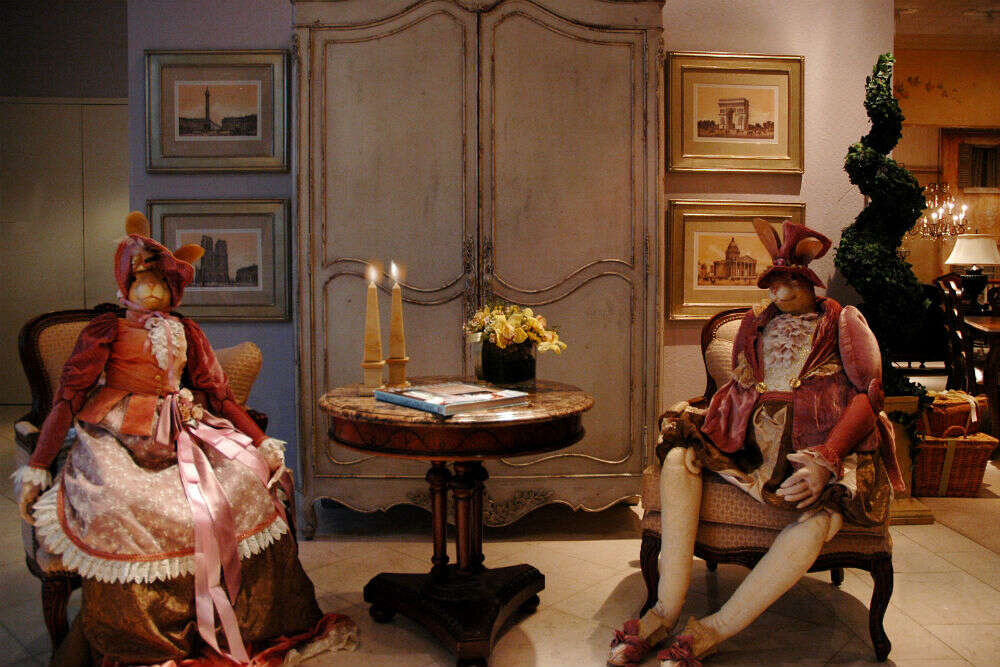
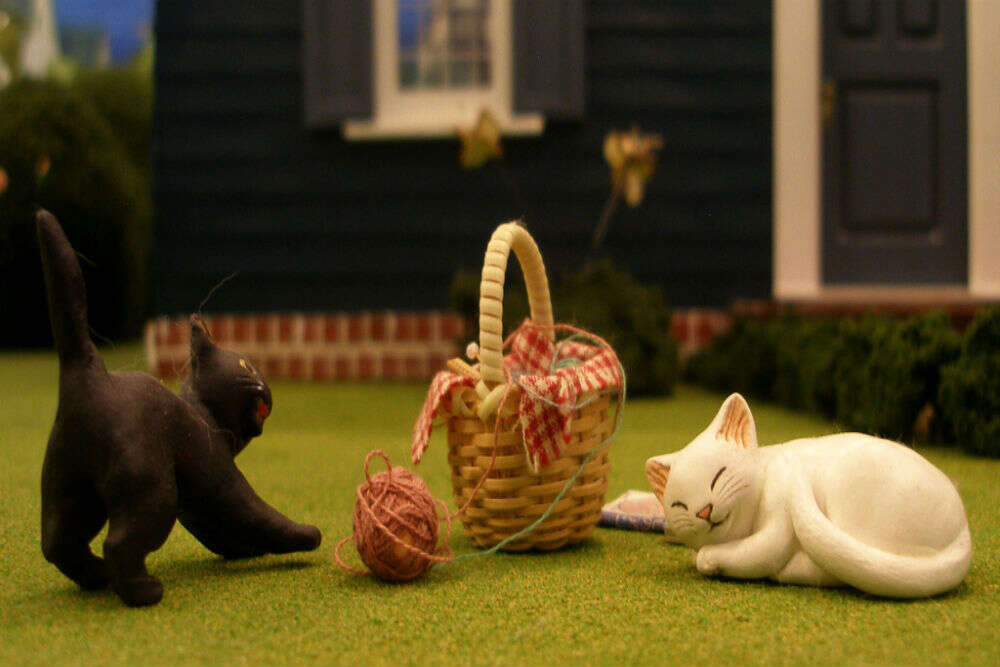
Walter Potter was a 19th century English taxidermist noted for his anthropomorphic dioramas, featuring stuffed animals mimicking human life, which he displayed at his museum in Bramber, Sussex, England. Amongst his scenes were a rats' den being raided by the local police rats, a village school featuring 48 little rabbits busy writing on tiny slates, while the ‘Kittens' Tea Party’ displayed feline etiquette and a game of croquet. A guinea pigs' cricket match was in progress, and 20 kittens attended a wedding, wearing little morning suits or brocade dresses, with a feline vicar in white surplice. Potter's attention to detail in these scenes was astounding. For instance, the kittens even wore frilly knickers under their formal attire.
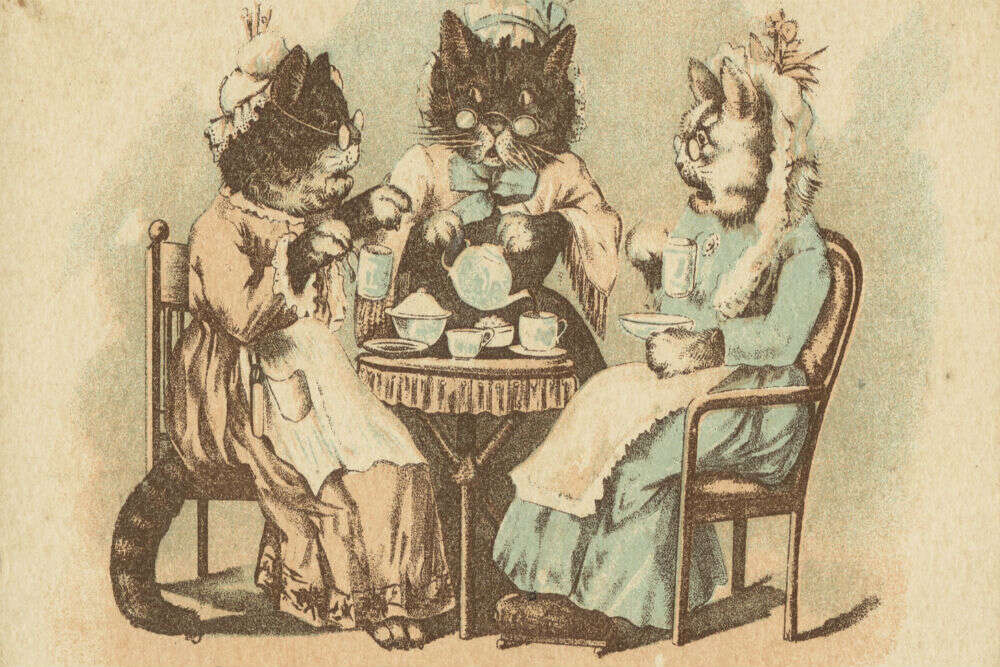


Apart from the simulations of human situations, he had also added examples of bizarrely deformed animals, such as two-headed lambs and four-legged chickens. Potter's collection, billed as ‘Mr Potter's Museum of Curiosities’ was a well-known and popular example of ‘Victorian whimsy’ for many years, even after Potter's death. Special coach trips from Brighton were arranged and the village and Potter's museum were so popular that an extension was built to the platform at Bramber railway station.
 As a boy, Potter taught himself the art of preserving animals and when his sister, Jane, showed him an illustrated book of nursery rhymes, Potter was inspired to produce what was to become the centrepiece of his museum, a diorama of ‘The Death and Burial of Cock Robin’, which included 98 species of British birds. This was so well-received that in 1861, he opened a separate display in the summer house of the pub. While satisfying the Victorian demand for traditional stuffed animals to earn a living, Potter continued creating his dioramas and expanded into new premises in 1866, and again in 1880.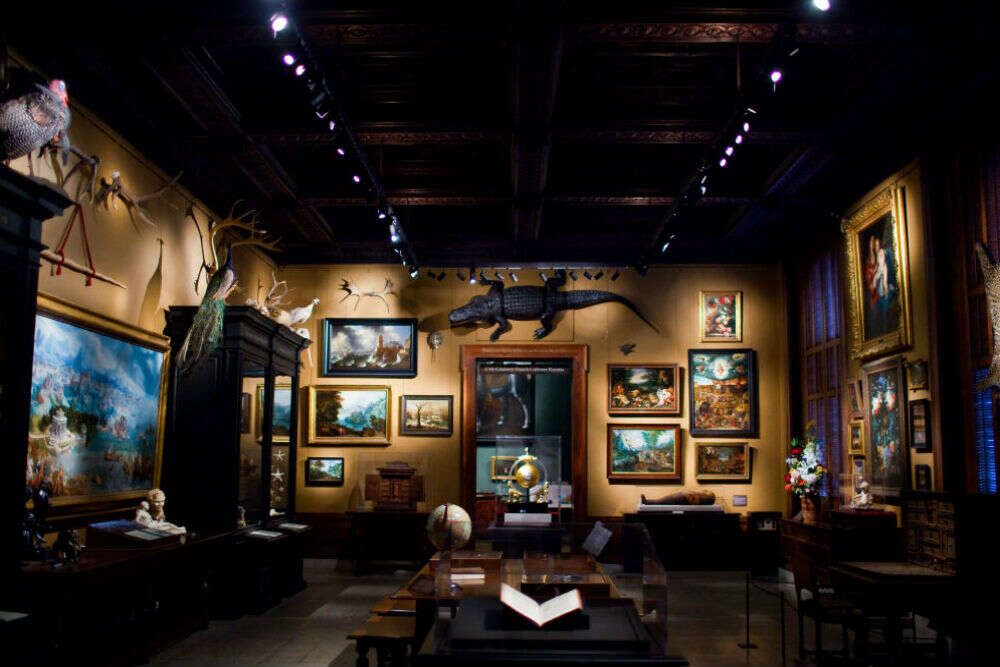
When Potter died in 1918, his museum contained about 10,000 specimens. But the Victorian enthusiasm for stuffed animals had waned by the museum's later days and it had to be shut in 1970s, and later revived in 1984 by its new owner in Cornwall. Finally, in 2003, the collection was auctioned off for over £500,000. ‘The Kittens' Wedding’ was sold for £21,150, and ‘The Death and Burial of Cock Robin’ was the highest-selling item of the sale—raising £23,500.

closecomments

Be the first one to review.
We have sent you a verification email. To verify, just follow the link in the message
end of article
Next story
Mid-Autumn Festival or Moon Festival
Visual Stories

10 pretty Indian villages to visit this year-end
8 castles in Germany straight out of a fairy-tale
8 tiger reserves every wildlife enthusiast should visit in India
10 animals that are easily spotted in Ranthambore National Park
How to prepare for a night safari in India?
9 rare animals to spot in the Western Ghats and where to find them


Trending Stories
Vande Bharat train journeys across Kerala, Tamil Nadu, Karnataka And Andhra Pradesh every traveller should experience
Rakul Preet Singh's controversy at Gir National Park: 5 things travellers should know about rules for visiting national parks and wildlife sanctuaries
Travelling abroad for summer vacation? Here’s what PM Narenda Modi appeals to travellers and why this is important
IMD issues weather warning across these states as rain and heat sweep across India: What travellers need to know
US turns 250: Where to witness best celebrations across South America in 2026




Comments (0)