Dudhwa National Park
Dudhwa National Park
You're Reading


Synopsis
Situated in the Terai of Uttar Pradesh, the park represents one of the few outstanding examples of an extremely varied Terai ecosystem, supporting a large number of endangered species. It is the largest and thickest forest reserve … Read more
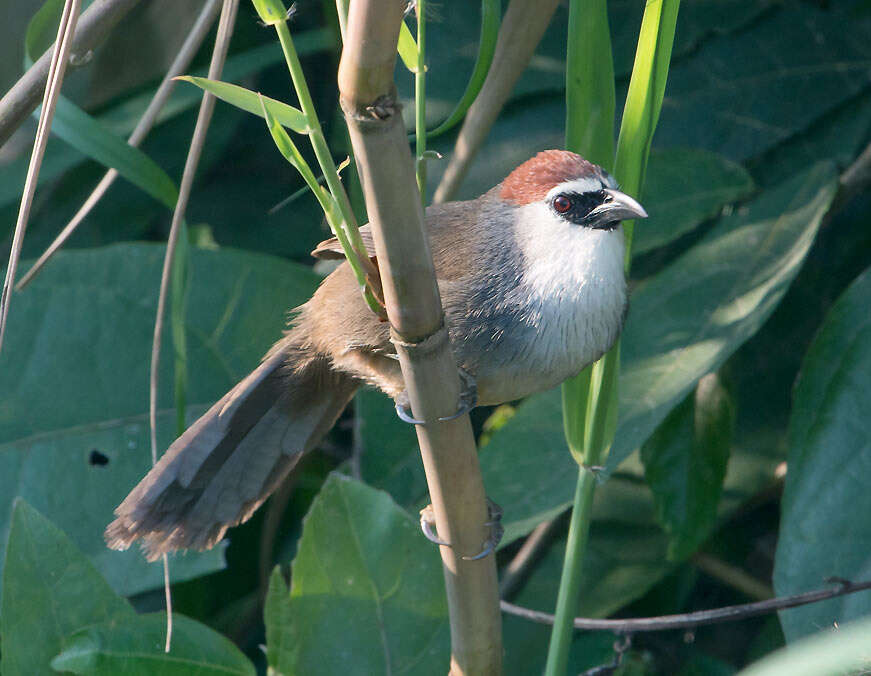
Situated in the Terai of Uttar Pradesh, the park represents one of the few outstanding examples of an extremely varied Terai ecosystem, supporting a large number of endangered species. It is the largest and thickest forest reserve of India. The Park's thick Sal forest, extensive grasslands and marshes harbour a wide range of wildlife: over 38 species of mammals, 16 species of reptiles and numerous birds.
The great Indian one horned Rhino, which was once hunted almost to extinction is now the Park's biggest attraction. Other animals which you can expect to see here include Swamp Deers (Barasingha) and Tigers.


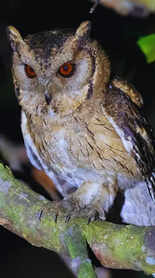
The swampy land and marshes are a haven for numerous species of birds (both local and migratory). There are some amazing coloured storks, black and white necked storks, cranes and owls.
The Dudhwa National Park is spread over an area of 490 sq km along with a buffer zone that is spread over an area of 190 sq km. Bordering Nepal in the Lakhimpur Kheri district, the Dudhwa National Park is one of the few remaining forests having a highly diverse and and productive Terai ecosystem, which contributes to a healthy habitat for some of the most endangered species to thrive in. So no prizes for guessing that the Dudhwa National Park is home to some of the most endangered species of animals one gets to see in India. Although the Dudhwa National Park was first established as a wildlife sanctuary in 1958 for an already existing population of swamp deer, it was in the year 1987 that the forest was declared as a tiger reserve, thanks to the growing population of the big cat. And the tiger certainly is one of the biggest attractions at the Dudhwa National Park. The other animals that one can see in these forests in a considerable number include the huge population of swamp deer and barasingha, along with a plethora of other species including spotted deer, barking deer, hog deer, Indian rhinoceros, sloth bear, ratel, jackal, civets, jungle cat, fishing cat, and leopards among other animals. The forest is visited by hundreds of tourists every year during the safari season and thanks to the presence of Dudhwa National Park hotels, the wildlife enthusiasts enjoy their stay within the forest’s rich natural habitat.
When it comes to the population of avifaunal species at the Dudhwa National Park, the forest is a stronghold of as many as 350 different species of birds, including the migratory once who visit these forests during the winters. The commonly seen species of birds in Dudhwa National Park include the swamp francolin, great slaty woodpecker and Bengal florican. The most commonly found birds among the migratory species of birds in Dudhwa National Park include painted storks, black and white necked storks, sarus cranes, woodpeckers, barbets, kingfishers, minivets, bee-eaters, bulbuls and varied night birds of prey among others. There are also drongos, barbets, cormorants, ducks, geese, hornbills, bulbuls, teal, woodpeckers, heron, bee-eaters, minivets, kingfishers, egrets, orioles, painted storks, owls. The Dudhwa National Park’s birds in particular are a delight for any avid bird watcher. Much of the park’s avian fauna is aquatic in nature and found around Dudhwa’s lakes such as Banke Tal.
When it comes to the floral richness of the Dudhwa National Park, the forest is home to some of the most amazing species. Since the area of the park falls in the Upper Gangetic plains, the land is rich in making these floral species grow in great numbers. The main flora of Dudhwa National Park comprises sal, asna, shisham, jamun, gular, sehore and bahera. The grasslands comprise about 19 per cent of the park. The wetlands constitute the third major habitat type and include the rivers, streams, lakes and marshes. While many of the major wetlands are perennial with some amount of surface moisture retained round the year, some dry up during hot summer.

closecomments

Be the first one to review.
We have sent you a verification email. To verify, just follow the link in the message
end of article
Next story
Sunderbans National Park
Visual Stories
10 pretty Indian villages to visit this year-end

8 castles in Germany straight out of a fairy-tale
8 tiger reserves every wildlife enthusiast should visit in India
10 animals that are easily spotted in Ranthambore National Park
How to prepare for a night safari in India?
9 rare animals to spot in the Western Ghats and where to find them


Trending Stories
Top 10 most visited states of America and travellers should know
5 perfect ways travellers can spend summer holidays in Uttarakhand
Travel trivia: 10 countries famous for what they don’t have
This Indian state witnesses ‘Summer Snowfall’ without a single snowflake; here’s why travellers are obsessed
India's 5 most dangerous roads with stunning views; here’s what adventure seekers must know first




Comments (0)