The Chowk
The Chowk
You're Reading


Synopsis
Called the Chowk, the old market square of Bhopal was once famous for “zarda, purdah, garda and namarda” (tobacco, veils, dust and eunuchs), but today it is worth walking down streets lined with jarokhas (overhanging enclosed bal … Read more
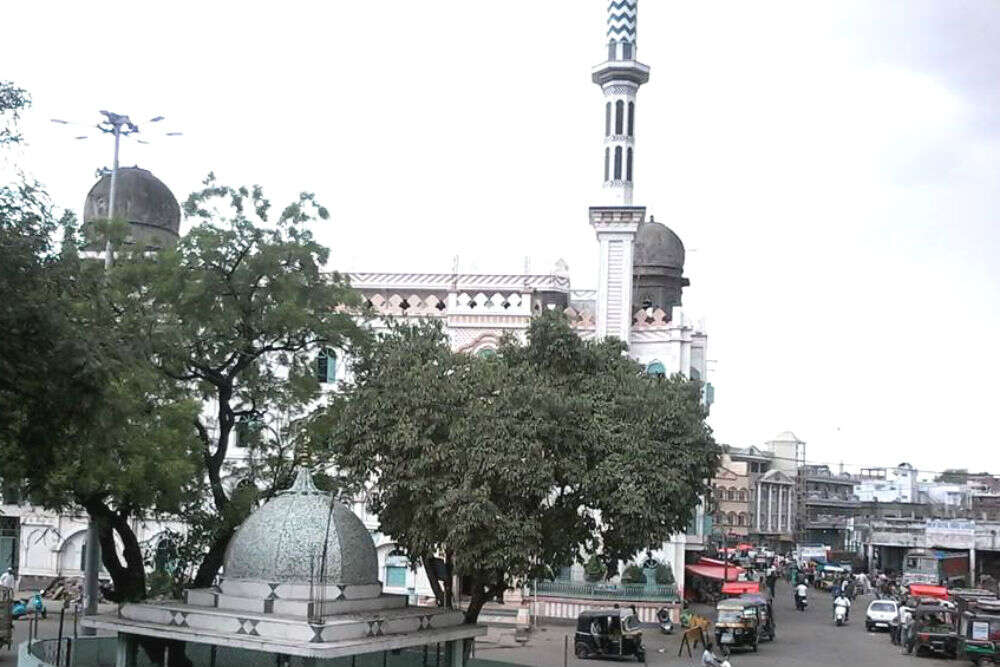 Called the Chowk, the old market square of Bhopal was once famous for “zarda, purdah, garda and namarda” (tobacco, veils, dust and eunuchs), but today it is worth walking down streets lined with jarokhas (overhanging enclosed balcony) decorated with Islamic geometric designs. The bazaar streets radiate from a central square, and each specializes in a particular product like bridal trousseau, textiles, jewellery, musical instruments for wedding bands like bass drums and clarinets, spices, utensils, etc. Some of the interesting items on sale include Bhopal’s trademark beaded women’s purses, Chanderi sarees, tussar silk and silver jewellery. You can also take a look at Imam Square, situated near the market. This was an aristocratic neighbourhood during the 1800s when Bhopal was ruled by Begums and has some interesting old-era buildings. Some of the finest of these is the Shaukat Mahal, designed in a blend of Italian, Gothic and Islamic influences by a French architect (allegedly descended from the Bourbon royal family). See the elegant Sadar Manzil where the rulers held audiences. You will also pass a number of ornate `havelis’ with woodwork and wrought iron galleries. Some of the impressive buildings now house government offices. The Jama Masjid built in 1837 which lies amid a silver market and the Moti Masjid built in 1860, situated south of the market, are worth seeing. The latter has slender, gold-topped minarets and sandstone cupolas. The lanes are good for a breakfast comprising poha with or without sev, parathas and mawa jalebi. For a meat feast, the old city offers nihari, paya, kebabs, rizala and biryani.
closecomments

Be the first one to review.
We have sent you a verification email. To verify, just follow the link in the message
end of article
Next story
Galway
Visual Stories
10 pretty Indian villages to visit this year-end
8 castles in Germany straight out of a fairy-tale
8 tiger reserves every wildlife enthusiast should visit in India
10 animals that are easily spotted in Ranthambore National Park
How to prepare for a night safari in India?
9 rare animals to spot in the Western Ghats and where to find them


Trending Stories
5 mistakes you’re making if Chikmagalur isn’t in your summer itinerary
Palace on Wheels, Rajasthan’s luxury train, breaks a 43-year tradition; know how to book, price and more
The incredible monitor lizard legend behind Maharashtra’s famous Sinhagad Fort has long fascinated travellers
From snake fruit to jabuticaba; 10 unique fruit trees around the world and where travellers can find them
10 countries with the most mosquitoes, does India figure in the list?



Comments (0)