
10 countries with the most mosquitoes, does India figure in the list, and things travellers should know
10 countries with the most mosquitoes, does India figure in the list, and things travellers should know
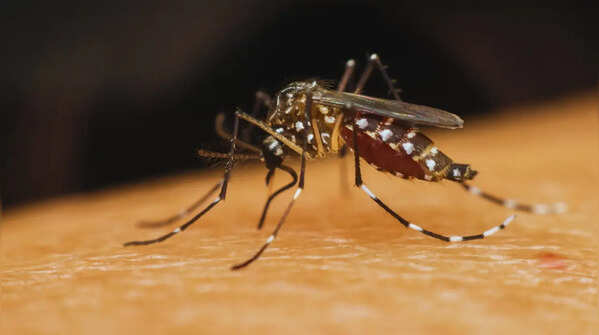
Despite being small in size, mosquitoes can flourish in the most vibrant environments found on Earth. The rainforest, wetland, monsoon-influenced flood plains, mangroves, and tropical environments provide the perfect breeding habitats for hundreds of mosquito species. As per World Population Review, certain countries across the globe boast of a remarkable range of mosquito species. For tourists, these locations present a double-edged sword. On one hand, they are some of the most beautiful destinations in the world when it comes to wildlife watching, birdwatching, rainforest exploration, and ecotourism; on the other hand, they offer stifling humidity, constant buzzing, and mosquito repellent use.
Here are the 10 countries with the highest recorded mosquito species diversity in the world.
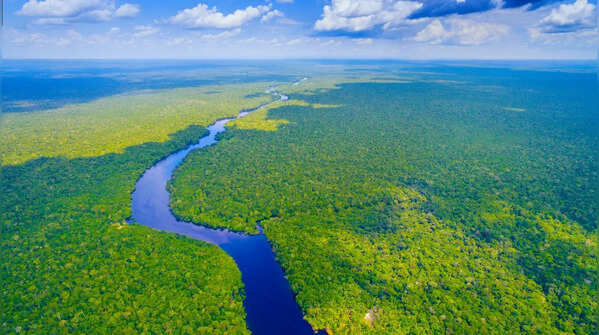
Brazil – 447 species
The amazing number of mosquitoes that live in Brazil is due to the vast amount of wilderness in this South American country. This is the place where one can find the biggest tropical rainforest on Earth – the Amazon Rainforest, characterized by its eternal humidity, numerous rivers, and huge floodplains. The Pantanal wetlands of Brazil can be called the world's largest wetlands in the tropics, making an incredible place for different mosquitoes.
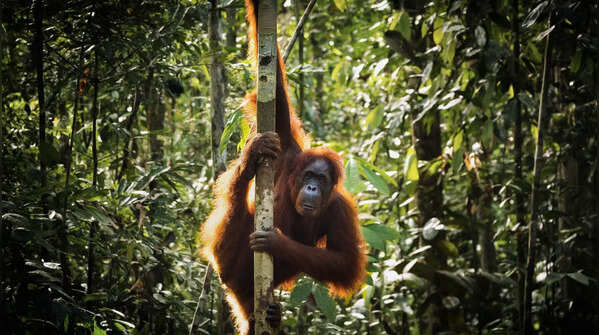
Indonesia – 439 species
Indonesia is characterised by its ecological complexity and variety of natural resources. It has more than 17 thousand islands and various types of landscapes, such as volcanoes, mangrove forests, rainforests, swamps, etc. In particular, there are numerous tropical jungles in Sumatra, Papua, and Borneo that can seem quite scary due to their high humidity, noise, and rich insect life.
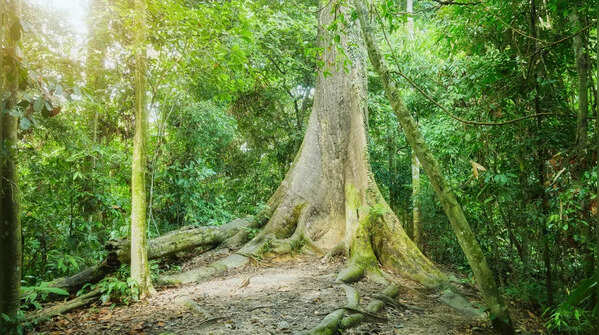
Malaysia — 415 species
The Malaysian rainforests are among the oldest in the world, dating back even farther than the famous Amazon rainforests. The combination of old age and tropical climate conditions creates perfect conditions for mosquitoes to prosper, from the rainforests of Malaysian Borneo all the way down to the wet mangroves that line the coast. Malaysia provides travellers with some of the best rainforest experiences in Southeast Asia, through night safaris, tree canopies tours, river tours, and jungle lodges.
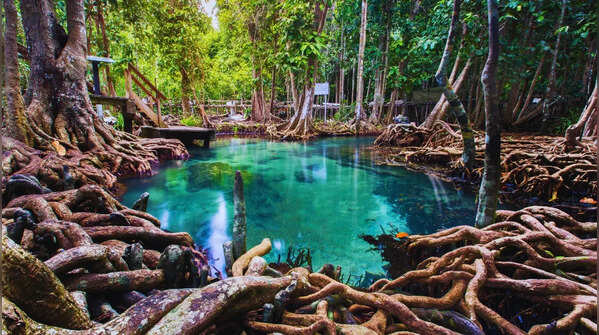
Thailand — 379 species
When most people think of Thailand, their minds immediately turn to sunbathing beaches and party islands. However, the reality is that Thailand boasts monsoon, wetland, limestone, and mountain jungles as well. Such diverse jungles have been home to nearly 379 mosquito species in total, mostly found in southern regions and northern jungles of Thailand. Exploring Thailand beyond such famous cities as Bangkok and Phuket reveals much more diversity in rainforests, floating wetlands, secret caves, and dense jungle atmosphere.
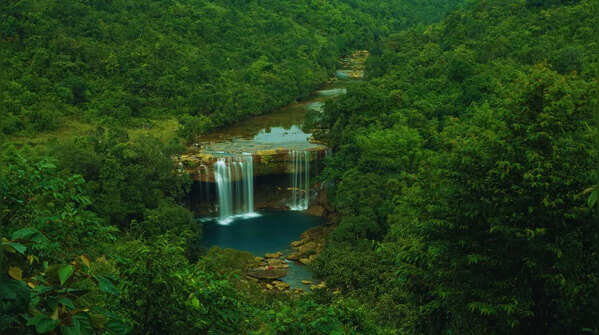
India — 338 species
The monsoon-soaked forests in Western Ghats, the mangrove forests in the Sundarbans, flood plains in Assam, tropical coasts, areas around the Himalayas, and even the bustling cities in the heartland all make up an ideal habitat for various species of mosquitoes. Travellers to India might find that they see more mosquitoes during and after monsoons, when rainwater creates prime breeding grounds in many parts of the country. Ecological sites like Kaziranga, Periyar, and the Sundarbans are some of the hotspots.

Philippines — 294 species
The volcanic landscape of the Philippines, along with tropical islands, mangrove forests, and rainforests in the mountainous interior of the archipelago, offer perfect conditions for diverse mosquitoes. Rain, high levels of humidity along the coast, and lush vegetation ensure that mosquitoes thrive in many parts of the Philippines. Exploring the Philippines may involve discovering pristine beaches, beautiful lagoons, and unspoiled jungle landscapes.
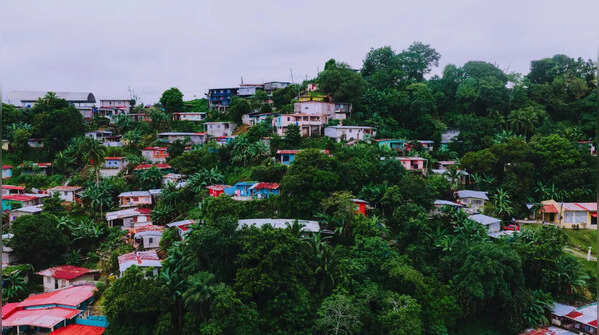
Panama – 264 species
Being a biological bridge between North and South America, Panama is considered one of the most diverse countries within Central America. The dense jungle habitats, tropical coastline, cloud forests, and swamp lands provide home to an amazing variety of insects, which include over 260 species of mosquitoes. Tourism wise, Panama provides an exceptional opportunity to observe birds in their natural habitat as well as enjoy the rainforests, particularly within the areas of the Darién Gap and canal watershed forests.
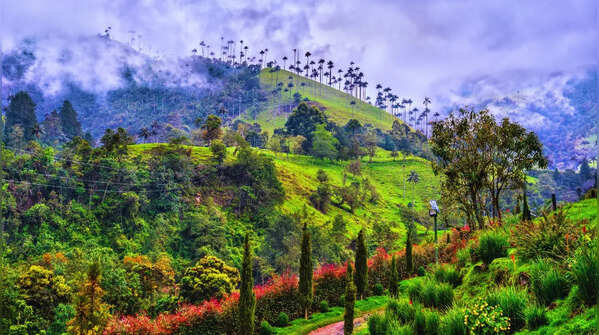
Colombia – 251 species
Geographically speaking, Colombia has an incredibly rich collection of habitats including Amazonian rainforest, the Caribbean coast, the cloud forests of the Andes mountains, wetlands, rivers, and jungles along the Pacific Coast. This combination of diverse ecosystems results in the remarkable biodiversity of mosquitoes within this country. Visitors will definitely realize the wild nature of certain territories within the country.
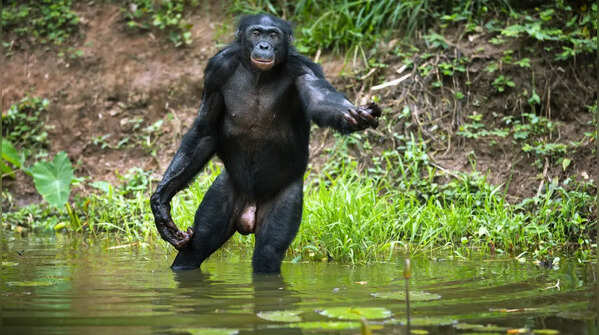
Democratic Republic of Congo – 248 species
Democratic Republic of Congo is located in the Congo Basin, which has the second largest rainforest in the world next only to the Amazon rainforest. With abundant vegetation, rivers, rainfall, and humid weather, the region provides ideal habitats for mosquitoes throughout large expanses of land. It is one of the least explored regions of the wild in the world today. The rainforests are extremely old, immense, and biologically overwhelming.
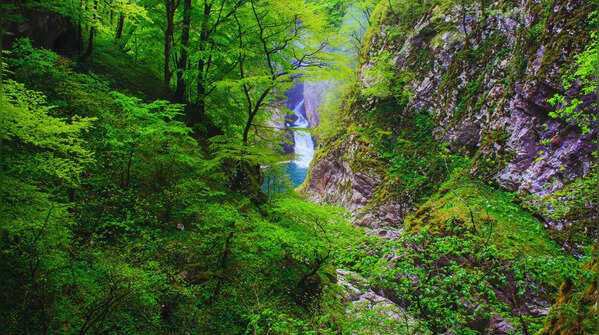
China – 238 species
In China, most of the mosquito species are found in its warm and humid southern provinces, where there is an abundance of subtropical rainforest, wetlands, rice paddy fields, and rivers. Provinces like Yunnan and Guangdong are excellent for mosquito growth because of constant rainfall and abundant vegetation. Travellers visiting the southern provinces in China with its extensive rice terraces and rainforests usually experience very humid weather conditions.
Featured In lifestyle

MORE FROM ETIMES
life & style