
- News
- lifestyle
- travel
- destinations
- World's most culturally important rivers, and what they have in store for travellers
World's most culturally important rivers, and what they have in store for travellers
World's most culturally important rivers, and what they have in store for travellers
Rivers have defined civilization since before countries were even a thing. Religions, trading paths, urban centers, mythology, cuisine, and empires all developed around them. And even now, there are rivers which are so much more than mere geography. Rituals, festivals, history, and daily life are still performed by their shores.
These rivers hold a depth beyond mere scenery for any traveller. They provide an insight into cultures and ways of life which cannot be found within stone monuments. Here are some of the world’s most culturally significant rivers and why travelling them is so intriguing.
The Ganges River — India’s spiritual lifeline
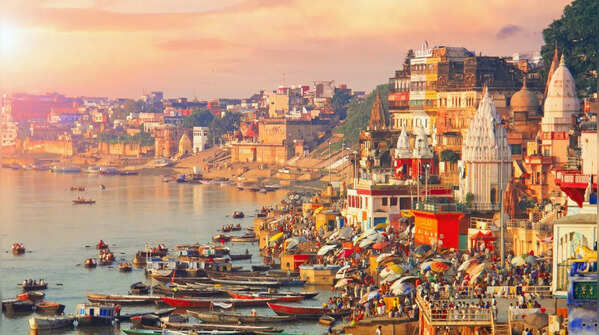
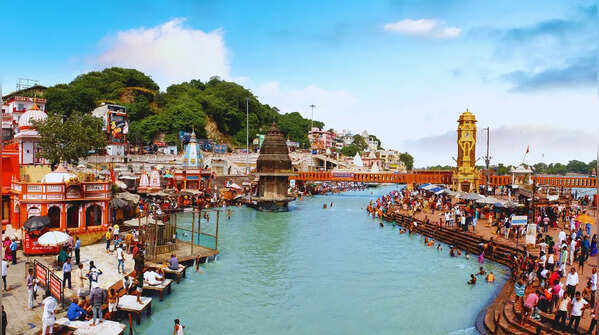
There are very few rivers in the world that have as much cultural and religious significance as the River Ganges. It is considered sacred in Hinduism and plays an important part in people’s lives in northern India. People come from far away places to cleanse themselves in the holy water, to perform their funerary duties or watch the evening aarti performances. As for tourists, Varanasi, Haridwar and Rishikesh provide completely different ways of experiencing the river. Varanasi gives an old-world charm, Haridwar combines both pilgrimage and ritual while Rishikesh mixes spirituality with the culture of yoga and adventure tourism.
The Nile River — the river that built ancient Egypt
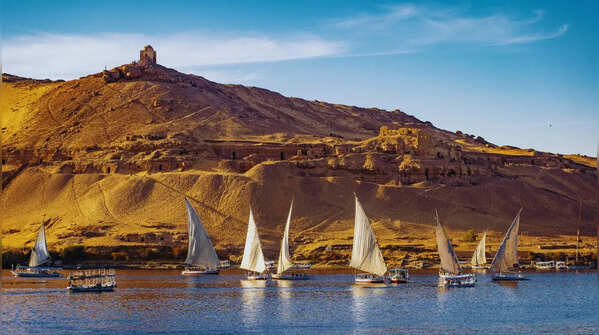
The Nile is the foundation of ancient Egypt; without it, this civilization would never have come into existence. For several millennia, the river enabled agriculture, trade, transport, and development in one of the world's most arid areas. Travelling along the river now can mean exploring history layer upon layer. Nile cruises from Luxor to Aswan take you past temples, tombs, and archaeological digs that once relied completely on the annual flooding of the river. However, there is more to the Nile than ancient structures. It is still a river civilization, with fishing boats, riverside farmers, and feluccas.
The Mekong River — Southeast Asia’s floating cultural corridor
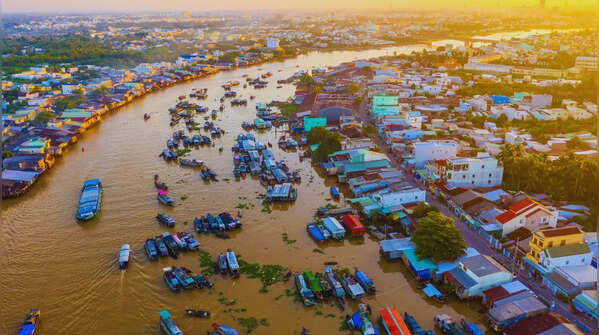
With the river flowing through several nations such as China, Laos, Thailand, Cambodia, and Vietnam, the Mekong River offers an incredible diversity of cultures and geography. As far as the travellers are concerned, the Mekong River is full of surprises. The river offers tranquil Buddhist towns and mountainous terrain in Laos, while the river offers connections with the floating villages and communities of Tonlé Sap in Cambodia. The river flows into the delta region of Vietnam, where it forms a network of canals, rice paddies, orchards, and floating markets. Unlike the other rivers that are only linked with ancient history, the Mekong River is very much alive today.
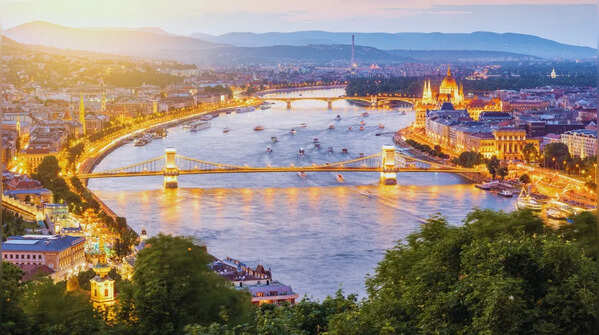
The Danube River — Europe’s river of empires
More European nations lie on the banks of the Danube than any other river in Europe, making the Danube an artery of communication between Roman frontiers, medieval kingdoms, Habsburg provinces, and contemporary capital cities. The Danube shows travellers what a journey through Europe is really like. Each of the cities like Vienna, Budapest, and Belgrade was formed around the river in its own unique way. Moreover, the Danube demonstrates how rivers serve not only as channels but also as cultural and political borders. Architecture, cuisine, languages, and culture all change from north to south.
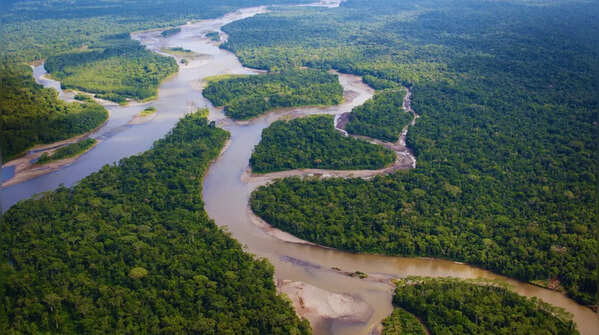
Amazon River – the river that remains wild
Not only is the Amazon the largest river basin in terms of volume, but it is also among the few great river basins on the planet where nature continues to outweigh human-built infrastructure. Exploring the Amazon River is synonymous with exploring the wilderness in its purest form. Trips through the Peruvian, Brazilian, or Colombian rainforests will be full of nature, indigenous cultures, pink river dolphins, wildlife, and even remote villages accessible only by river. The cultural significance of the Amazon River lies not only in its rich flora and fauna but also in indigenous civilizations.
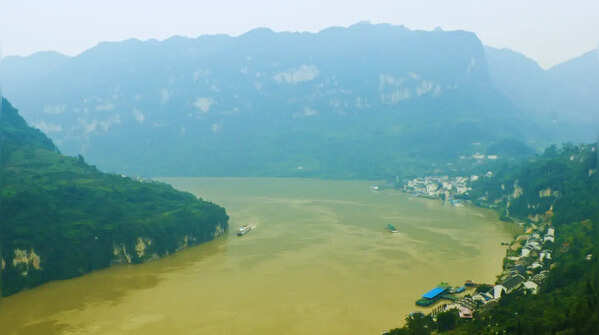
The Yangtze River — the river behind China’s transformation
China's longest river has played an important role in trade, agriculture, military, migrations, poetry, and industrialization for many centuries. In modern times, the Yangtze River symbolizes China's fast modernization better than any other river in the world. Travellers will see a unique contrast of the ancient riverside towns, futuristic skyline, huge bridges, hydroelectric plants, and heavy shipping activity on this river. One of the most popular ways to travel the Yangtze is by cruise through the Three Gorges area.
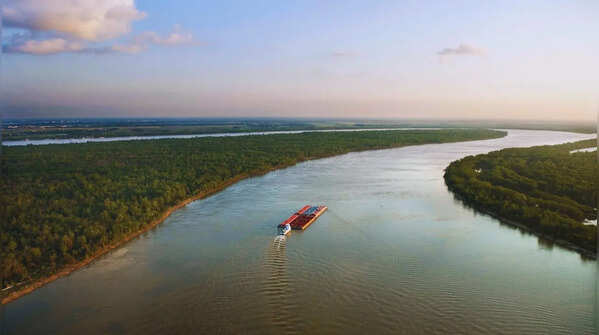
The Mississippi River – America's river of music and migration
The Mississippi River is strongly associated with American culture, including literature, blues music, trading history, and migrations. Journeying on the Mississippi means experiencing several different Americas – from industrial cities to small river towns, from Deep South to jazz music, from the Mississippi River Delta to agriculture areas, all connected by one great river. New Orleans is an example of a city that cannot be separated from the river, especially when considering its musical, gastronomic, and river history.
Featured In lifestyle

