
- News
- lifestyle
- travel
- destinations
- Countries named after people you probably didn’t know about
Countries named after people you probably didn’t know about
Countries named after people you probably didn’t know about
The names of places are sometimes rich with stories of their landscapes, cultures, and history, but there are other cases where the names of places narrate the story of an individual whose impact was so significant that he or she became the namesake of an entire country. According to the World Population Review, there have been instances in the past where countries got their names from people, which include rulers, freedom fighters, religious personalities, and even mythological characters.
Kiribati
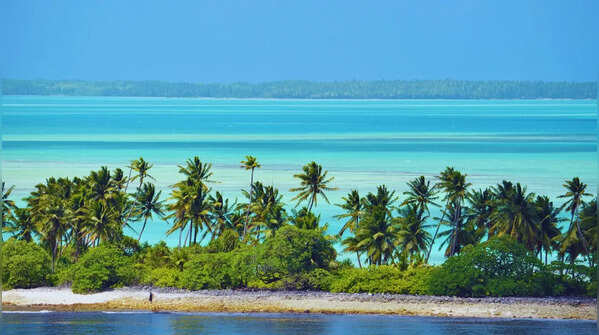
The name “Kiribati” derives from the name of British sea captain Thomas Gilbert, who sailed the Pacific Ocean during the eighteenth century. Until the country became independent, the islands were called the Gilbert Islands. However, upon gaining independence, the name was translated into the Gilbertese language and changed into “Kiribati” which sounds as “Kiribas”. One should note that it is especially interesting how the name was linguistically modified rather than translated literally.
Venezuela
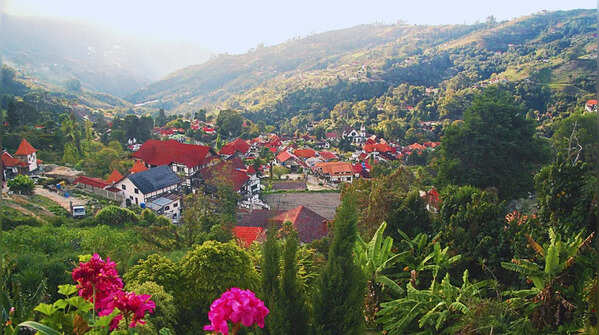
The name “Bolivarian Republic of Venezuela” refers to the man named Simón Bolívar who played a pivotal role in freeing many areas of South America from Spanish occupation in the early nineteenth century and is considered one of the most respected historical characters in the whole continent. One might say that it demonstrates how countries may reinterpret their own identity based on their political pasts, giving names to honor their heroes.
Bolivia
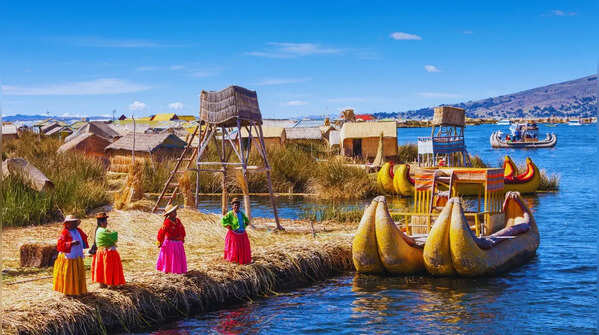
In Bolivia, there is an interesting example of a country named after its leader. The state was named after Simon Bolivar, who played a pivotal role in the liberation of South America from Spanish colonizers. Previously called Upper Peru, the country gained independence in 1825. In fact, naming the country after Bolivar shows his high status and importance in history, which is characteristic of countries emerging after colonization.
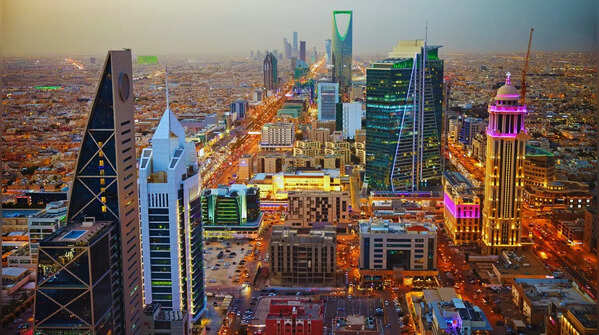
Saudi Arabia
In contrast to other countries, Saudi Arabia bears the name of a dynasty rather than an individual. The country is named after the ruling family – the House of Saud. In particular, Saudi comes from the name of the founder of the dynasty, Saud bin Muhammad Al Muqrin, and later Abdulaziz Ibn Saud.
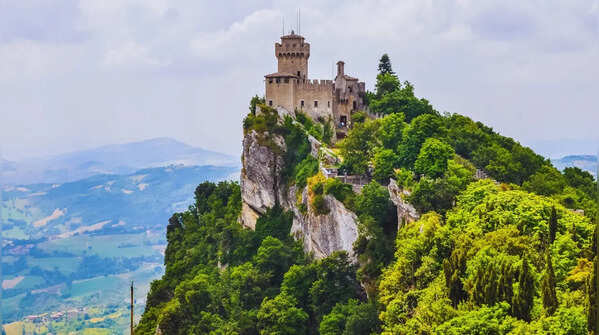
San Marino
San Marino traces its name back to St Marinus, a masonry craftsman, who founded a monastery on top of Mount Titano during AD 301. Over the years, this relatively tiny religious commune grew into one of the oldest republican forms of government that still exists today. This is another example of how names and national identities can come out of religion and spirituality through communal efforts.
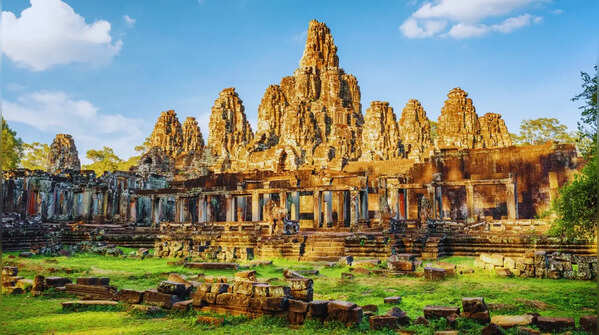
Cambodia
The name Cambodia is said to be a derivative of Kambojadeśa, which means the land of descendants of Kambu Swayambhuva. Legend has it that Kambu Swayambhuva was a sage who fathered the Khmer nation. One of the more unusual names on the list because it does not belong to a historic individual but belongs to mythology instead.
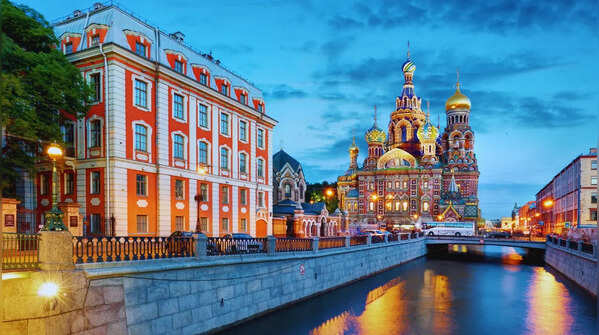
Russia
The term Russia originates from “Rus,” who was one of the legendary figures that helped to establish Slavic civilization. He is believed to have contributed significantly towards the creation of the first Slavs together with his brothers “Lech” and “Czech.” This is just a tale, but it shows how legends help shape nation names today.
Mozambique
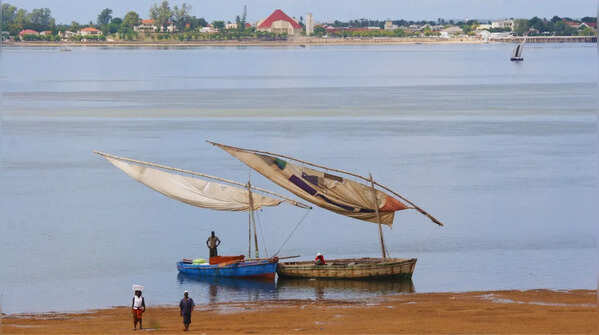
It is believed that the name of Mozambique comes from Mussa Bin Bique, a very wealthy merchant who used to rule the Island of Mozambique before the arrival of the Portuguese colonisers. In most cases, countries derive their names from either kings or saints, which makes the name of Mozambique unique and quite interesting. This name signifies the importance of the trade network and influence at the coast in determining the identity of a community.
Mauritius
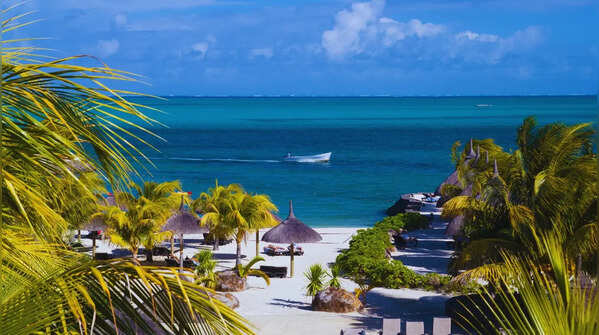
The island of Mauritius received its name from the Dutch settlers who were exploring the area and in remembrance of Maurice of Nassau in 1598. After the island was colonised by France and Great Britain, the name was restored to its original Dutch name.
Philippines
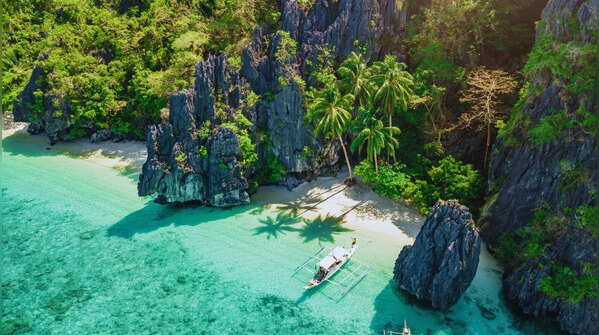
The Philippines is named after King Philip II of Spain by the Spanish explorers during the sixteenth century. After being colonised by several cultures, the Philippines still retained the same name.
Featured In lifestyle

