
- News
- lifestyle
- travel
- destinations
- 10 world’s oldest metro systems still running today
10 world’s oldest metro systems still running today
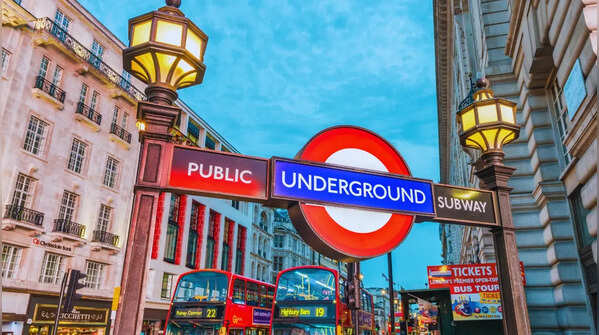
10 world’s oldest metro systems still running today
Even before the appearance of skyscrapers and automobiles that cluttered up city streets, some of the world’s greatest cities began to consider their options beneath ground level. With increasing population levels during the last decades of the 19th century and first decades of the 20th century, traffic became an issue. The answer was to construct rapid transit systems capable of transporting large numbers of individuals through tunnels, trenches and above-ground railways.
Metro systems have had a profound impact on urban development. They reduced travel time, extended neighborhoods, facilitated economic development and served as emblems of modernization. Many continue to function into the present day, incorporating contemporary railcars but maintaining their historical heritage. Here’s a look at the world’s oldest metro systems and the cities they helped shape.
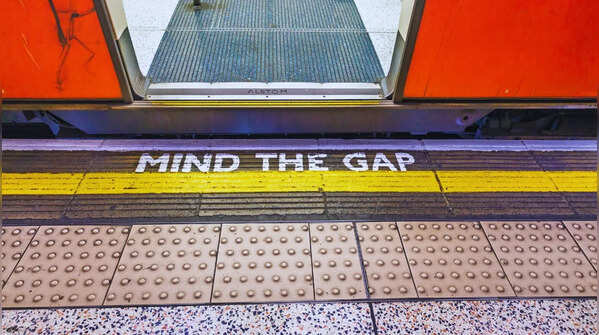
London Underground-1890
The London underground is the oldest in the world. Although the Metropolitan Railway was constructed in 1863 using steam trains, the deep-level electric railway came into existence in 1890 in the form of the City and South London Railway. This was the beginning of what is referred to as the modern metro system. The London metro is popularly referred to as The Tube and has been used as an inspiration for metro systems all around the world. The iconic map, roundel symbol, and slogan "Mind the Gap" have become world-renowned.
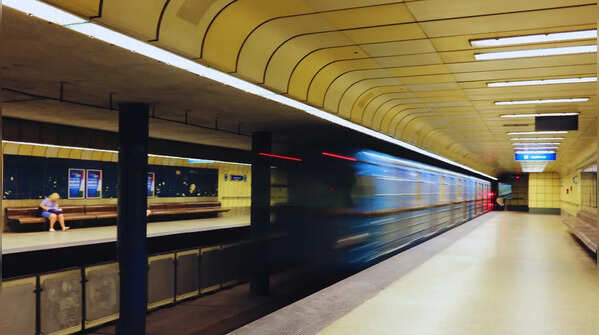
Budapest Metro-1896
The metro in Budapest is the oldest in Europe to be constructed under the surface. Established in 1896 to mark 1,000 years of Hungarian statehood, the Millennium Underground Railway was built running underneath Andrássy Avenue which is one of Budapest's most prominent boulevards. Budapest is unique since parts of the old rail network are operational and known as Metro Line 1.
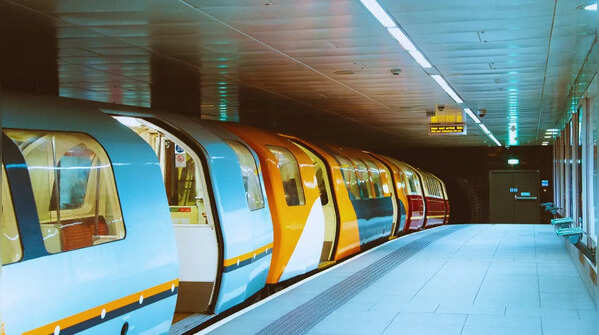
Glasgow Subway-1896
The subway system of Glasgow dates back to 1896. It is among the oldest, as well as most unusual, subways in the world. This particular system is not spread over several lines as most others; rather, it features only two loops that travel in clockwise and anti-clockwise directions below the streets of Glasgow. Its compact structure makes it very easy to identify. Known as the “Clockwork Orange” today, the subway continues to be an integral feature of Scotland’s biggest city.
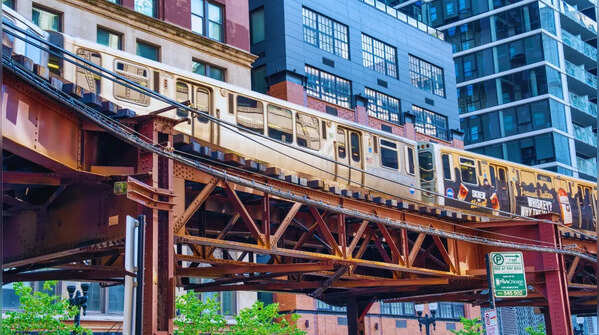
Chicago L-1897
The L is probably the most famous subway in America and opened in 1897. “L” refers to its elevated position above the streets of Chicago. Rather than burrowing under the ground like many others, this system takes pride in its elevation. Indeed, it forms an important feature of the city’s personality, especially around the “Loop,” which surrounds the business district.
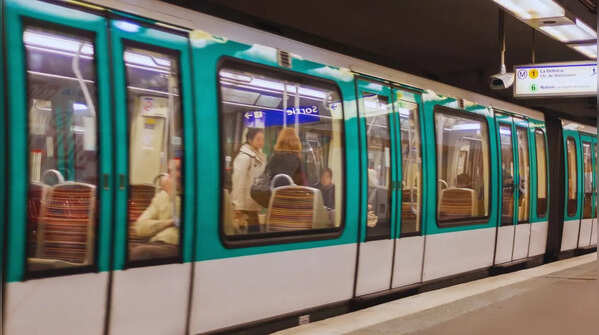
Paris Metro-1900
The Paris Metro began operations in 1900 at the time of the Exposition Universelle, which was a showcase of innovations and cultures. It served as a convenient means of transportation for both visitors and locals. Nowadays, the Paris Metro is celebrated not only because of its effectiveness but also due to its aesthetics. There are many entrances constructed during the Art Nouveau period that can be regarded as masterpieces of art.
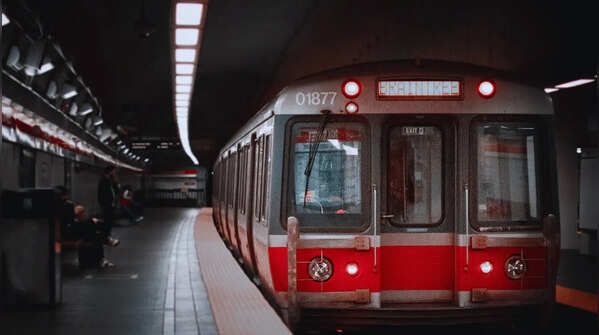
Boston Subway-1901
Boston built America's first subway system in 1901 primarily to tackle the problem of traffic congestion, which was caused by the presence of horses and electric streetcars on the roads. This innovative approach served as a model for many other U.S. cities. Some elements of the subway still operate under the MBTA transportation system.
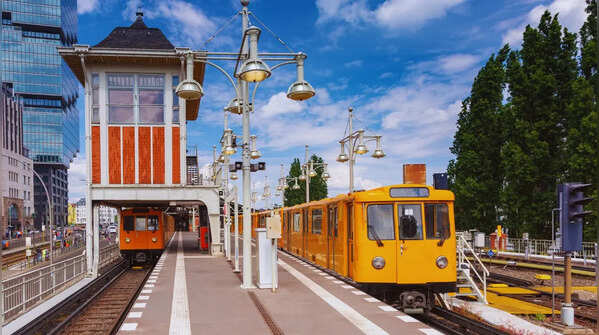
Berlin U-Bahn-1902
The U-Bahn of Berlin started running from 1902 and has since become one of Europe’s premier metro networks. Its history is rather unique considering that it survived the two World Wars and the subsequent Cold War when Berlin was divided between East and West. Ghost stations existed during the period of division where trains would pass through without stopping. Following German reunification, the network was revived and expanded.
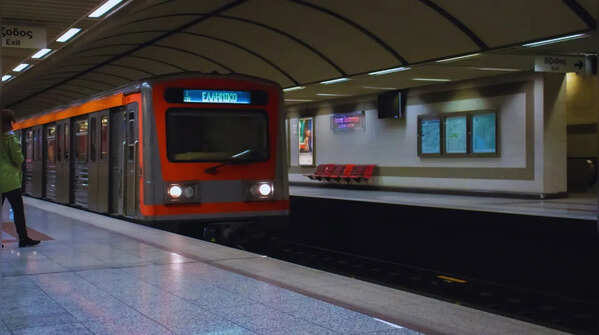
Athens Metro-1904
The history of the metro in Athens traces back to 1904, when an old railway network was modernized and electrified to create an underground system. The city received one of the first metros in Europe as a result. The modern additions to the network have transformed Athens, particularly prior to the 2004 Olympic Games. Archaeological discoveries made during the construction process have been preserved in the stations.
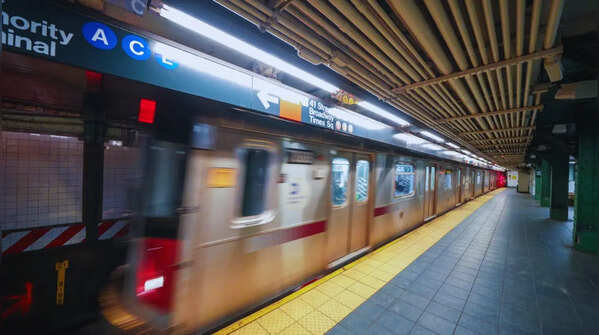
New York City Subway-1904
The New York City subway first ran in 1904 and quickly became one of the world's biggest subways. It was built as an important link between Manhattan and the other boroughs and played an important role in the fast growth of this city during the 20th century. Nowadays, New York’s subway is known due to its scale, speed and round-the-clock work in some lines. Millions of passengers use it every day; many filmmakers, writers and musicians have used it as inspiration for their works.
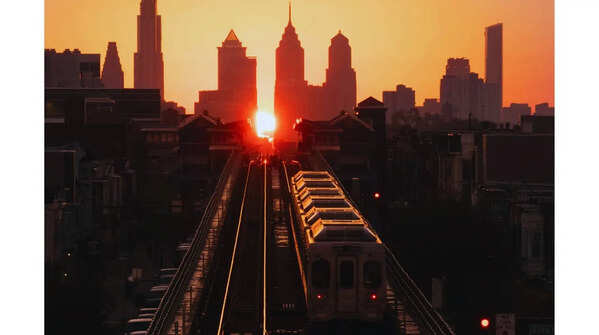
Philadelphia SEPTA - 1907
The construction of Philadelphia's rapid transit started in 1907 with the opening of Market Street Subway-Elevated. Later, it became a part of the SEPTA transportation network. The subway was constructed for better mobility within the city, one of the oldest and most bustling American cities. While it is not that well-known as New York or Chicago's, Philadelphia's rapid transit is important from the historical point of view.
Featured In lifestyle

