The medieval skyscrapers of San Gimignano
The medieval skyscrapers of San Gimignano
You're Reading


Synopsis
San Gimignano is a small medieval hill town in Italy’s famous Tuscany region, 56 km south of Florence. Located on top of a hill and fortified with walls and towers, the town has the most unforgettable skyline resembling a mini Man … Read more
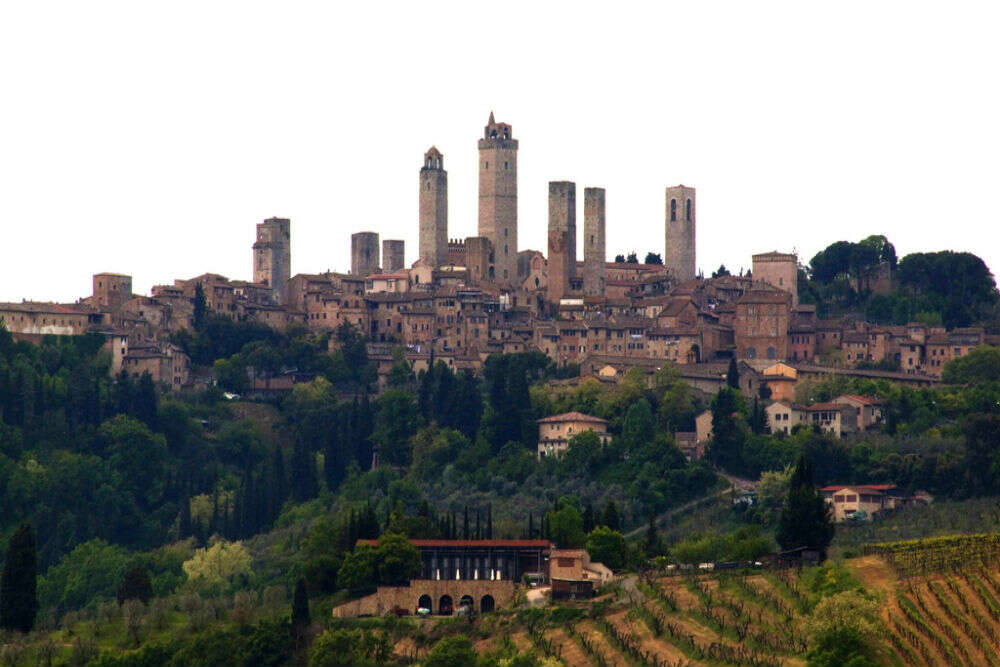
San Gimignano is a small medieval hill town in Italy’s famous Tuscany region, 56 km south of Florence. Located on top of a hill and fortified with walls and towers, the town has the most unforgettable skyline resembling a mini Manhattan of the medieval age. Originally an Etruscan village, San Gimignano was under the jurisdiction of the bishops of Volterra when it became independent in 1199 and acquired its first podestà. The town immediately set about enriching the commune, with churches and public buildings entering into a long period of prosperity that lasted until 1353, when it fell under the sway of Florence.
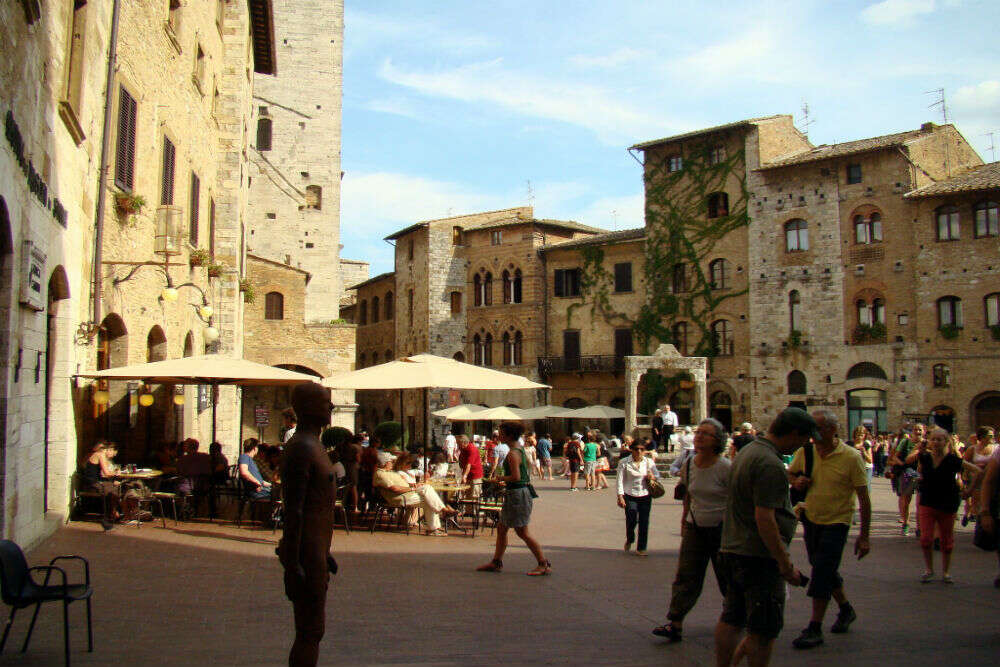


During this period, the town was controlled by two major rival families—the Ardinghelli and the Salvucci—who entered into a contest of building tower-houses taller than their rivals. Owing a tower was a symbol of wealth and power. Over the decades, the town saw a steady rise in towers with increasing heights.
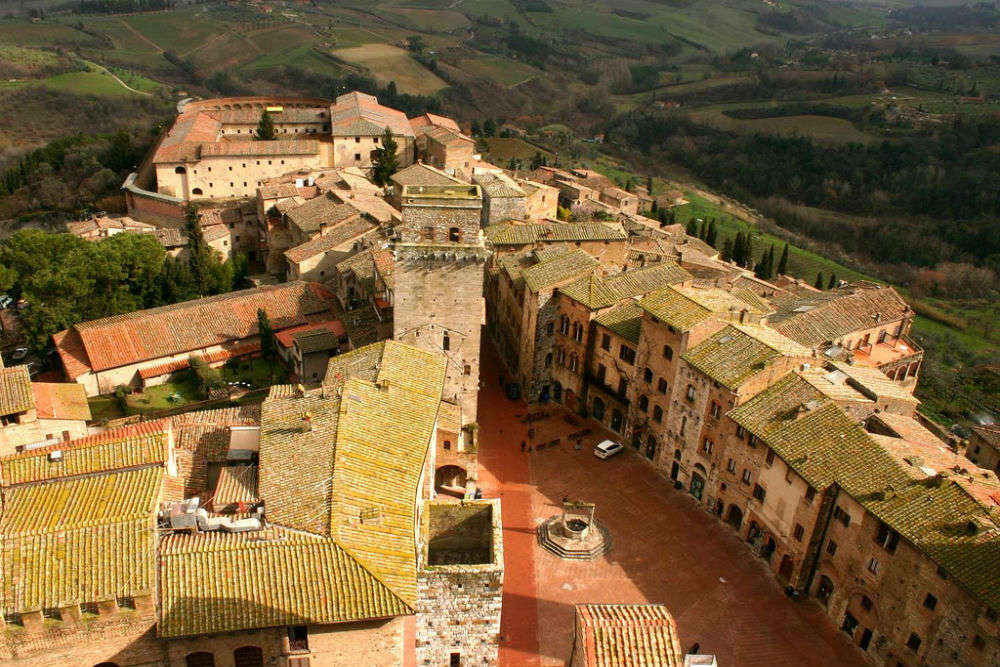 By the end of the 14th century, the town had as many as 72 towers and some of them were up to 70 m tall. The tower building finally stopped when the council ruled an order that no tower was to be taller than that adjacent to the Palazzo Comunale. Of these 72 towers, only 14 have managed to survive wars, catastrophes and urban development, including the Cugnanesi house on the former Via Francigena, the Pesciolini house on the Via San Matteo and the Palazzo Franzesi-Ceccarelli house.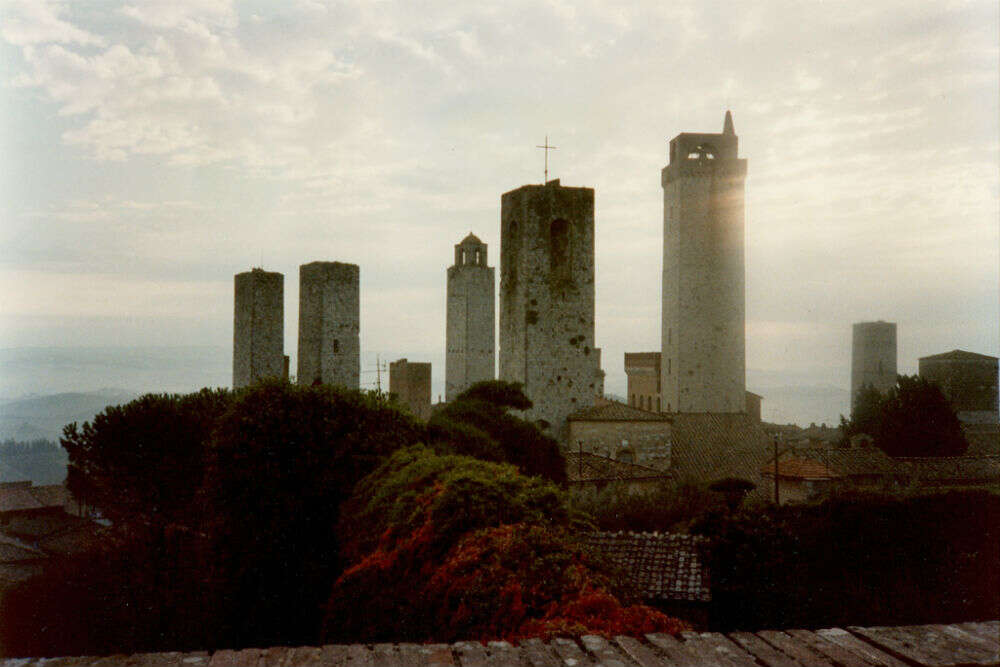
The city flourished until 1348, when it was struck by the Black Death that affected all of Europe, and about half the townsfolk died. Weakened by the plaque, the town submitted to the rule of Florence. Initially, some Gothic palazzos were built in Florentine style, and many of the towers were reduced to the height of the houses. There was little subsequent development, and San Gimignano remained preserved in its medieval state until the 19th century, when its status as a touristic and artistic resort began to be recognised.

closecomments

Be the first one to review.
We have sent you a verification email. To verify, just follow the link in the message
end of article
Next story
Up Helly Aa—the Viking fire festival
Visual Stories
10 pretty Indian villages to visit this year-end
8 castles in Germany straight out of a fairy-tale

8 tiger reserves every wildlife enthusiast should visit in India

10 animals that are easily spotted in Ranthambore National Park

How to prepare for a night safari in India?

9 rare animals to spot in the Western Ghats and where to find them



Trending Stories
Flying abroad with medicines? What travellers need to know before packing prescription drugs
From women-only night beach to floating walkway: What can travellers expect from Dubai's brand new tourist attraction?
Oldest fires in the world that are still burning, and why they deserve to be on your travel-wishlist
What's it like to visit 10 most economically stable countries in the world right now? What's India's rank
Travel warning across these Indian states as IMD forecasts storms, hail and heat wave conditions




Comments (0)