Corbett National Park, Uttarakhand
Corbett National Park, Uttarakhand


Synopsis
Named after the legendary hunter-turned-conservationist, this park is famous for its wildlife diversity and as the birthplace of Project Tiger.
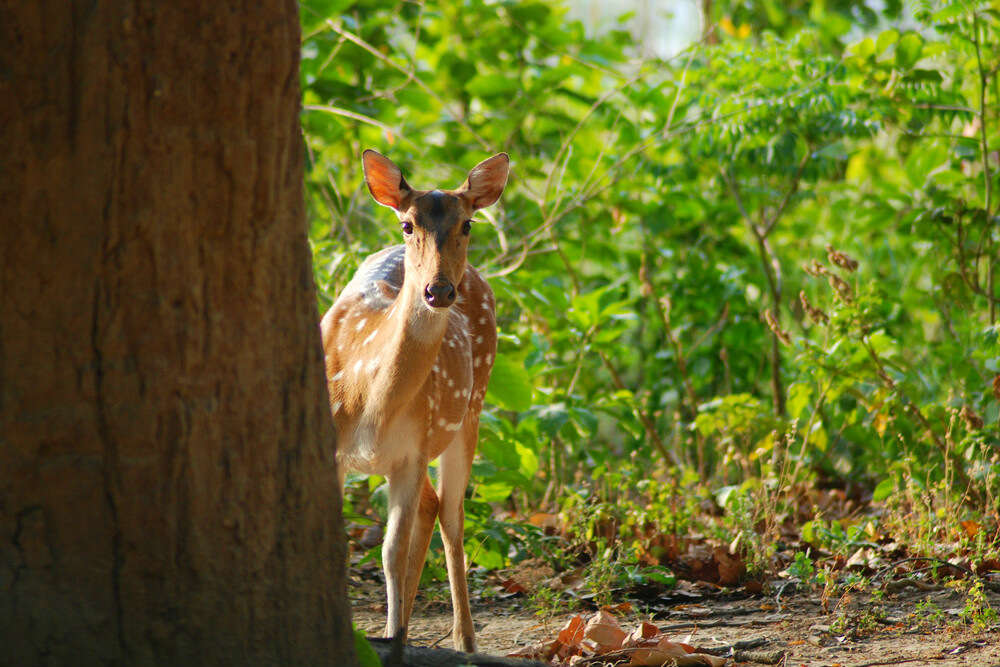
Corbett National Park is the country’s very first wildlife reserve of India established way back in 1936. Originally christened the Hailey National Park, it was renamed the Ramganga National Park in 1955-56, and finally Jim Corbett National Park in the honour of the legendary hunter-turned- conservationist, best known for hunting man-eating tigers and leopards in the Kumaon and lower Garhwal in the 1920s.
The park, with a core area of 520.86 sq km is famous for its huge diversity of wildlife and as the birthplace of Project Tiger: it was one of the nine tiger reserves created at the launch of the project in 1973. In 1991, an area of 797.72 sq km was added as a buffer area of the Corbett Tiger Reserve which includes the Kalagarh and Ramnagar forest divisions.


The main animals found in the national park include the tiger, elephant, chital, sambar, nilgai, gharial, king cobra, wild boar, hedgehog, common musk shrew, flying fox, Indian pangolin, and nearly 600 species of birds. The Park receives thousands of visitors every year and a variety of facilities are available to house tourists within and outside the Park.

closecomments

Be the first one to review.
We have sent you a verification email. To verify, just follow the link in the message
end of article
Next story
Dharamsala
Visual Stories
10 pretty Indian villages to visit this year-end
8 castles in Germany straight out of a fairy-tale
8 tiger reserves every wildlife enthusiast should visit in India
10 animals that are easily spotted in Ranthambore National Park
How to prepare for a night safari in India?
9 rare animals to spot in the Western Ghats and where to find them
Also Read


Trending Stories
5 most visited tourist attractions in the USA and what travellers need to know
India’s most mystical and lesser-known mangrove forests travellers rarely talk about
How's life inside India's oldest living fort? And why is it called so?
How to beat heatwave: 5 Himalayan towns in India where summer is pleasant
Beyond tiger reserves: 10 Indian forests travellers must visit for extraordinary biodiversity




Comments (0)