
- News
- lifestyle
- travel
- things-to-do
- Beyond tiger reserves: 10 Indian forests travellers must visit for extraordinary biodiversity
Beyond tiger reserves: 10 Indian forests travellers must visit for extraordinary biodiversity

Beyond tiger reserves: 10 Indian forests travellers must visit for extraordinary biodiversity
India is one of the 17 megadiverse nations of the world, possessing almost 8 percent of the known species of flora and fauna on earth, although its territory accounts for just 2.4 percent of the total surface area of the Earth. Each year, May 22 is marked across the globe as the International Day for Biological Diversity, emphasizing the importance of ecosystems, wildlife, forests, rivers, and indigenous practices in ensuring the survival of all life forms on our planet. The concept of biodiversity in India extends beyond popular national parks and picturesque forest areas. Many of India’s biodiverse regions can be found within sacred groves, cloud forests, mangrove forests, swamp forests, and rainforests of isolated islands, wherein thousands of rare and endemic species are found thriving.
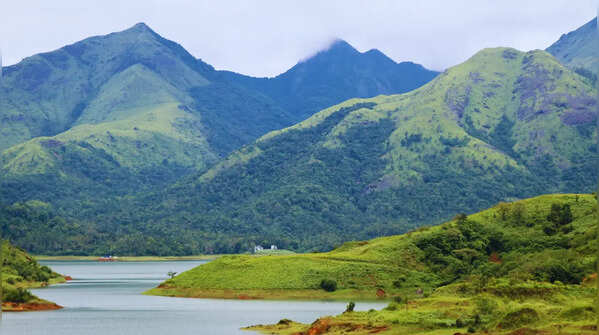
Shola Forests, Western Ghats
One of the unique forests in India is the shola forests of the Western Ghats. They represent montane forests that are fragmented and located in areas dominated by grasslands in places like the Nilgiris, Anamalais, Palani Hills, Kudremukh, and Agasthyamalai. The ever-present mist, cool weather, and isolated nature of these forests have played a significant role in generating a high degree of endemism in the region. These forests are home to species such as the Nilgiri tahr, Nilgiri marten, black-and-orange flycatcher, laughingthrushes, rare orchids, amphibians, and medicinal plants.
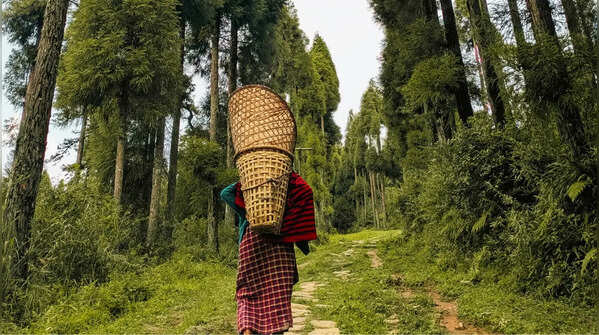
Sacred Groves of Meghalaya
In an era when there were no formal laws to protect forests, traditional Khasi and Jaintia communities of Meghalaya protected forest regions based on their religious beliefs. These forests are known as Law Kyntang or Khlaw Kyntang and represent some of the least disturbed forest fragments in the whole of India. Among these is the famous Mawphlang Sacred Grove of Meghalaya that harbors various kinds of unique flora, including rare fungi, orchids, medicinal herbs, lichens, and endemic trees.

Great Nicobar Rainforests
Away from mainland India, the rainforests of Great Nicobar Island represent one of the last biodiversity frontiers within the country. Such tropical forests are home to many endemic birds and reptiles, as well as mangroves, ecosystems associated with the corals, and ancient rainforests. This is also a protected UNESCO biosphere reserve and the habitat for vulnerable Indigenous groups like the Shompen and Nicobarese. The forest represents important ecosystems with rare flora and fauna that have adapted to life on an isolated island.
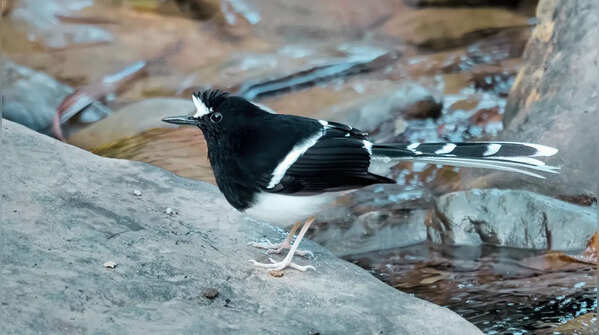
Namdapha Rainforest
This tropical rainforest region in the eastern parts of Arunachal Pradesh features exceptional biogeographic richness in terms of its ability to combine elements from both Himalayas and Southeast Asia. The rainforest features tropical evergreen valleys as well as alpine areas, thus providing great ecologic diversity within one geographic zone. The ecosystem is recognized for clouded leopards, red pandas, hoolock gibbons, different hornbills, rare orchids, and lush rainforest canopy. Among other interesting facts, this ecosystem is thought to be the place where four large felines live at the same time – tiger, leopard, snow leopard, and clouded leopard.
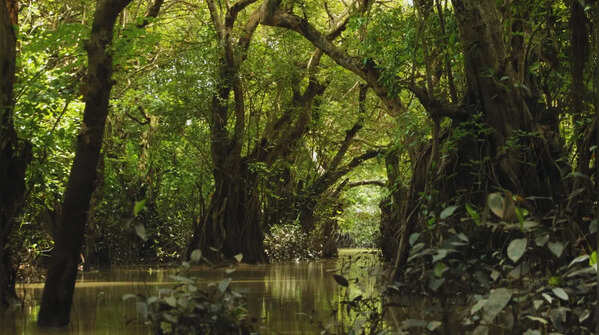
Sundarbans Mangrove Forest
Sundarbans is the world’s largest mangrove forest, and one of India’s most amazing ecosystems. This is an area where forests exist in ever-changing tide, estuarine mudflats, and saline rivers where fresh water merges with saltwater. Apart from the iconic Royal Bengal tiger, the Sundarbans also hosts fishing cats, estuarine crocodiles, river dolphins, mudskippers, kingfishers, mangrove horseshoe crabs, and many migratory birds.
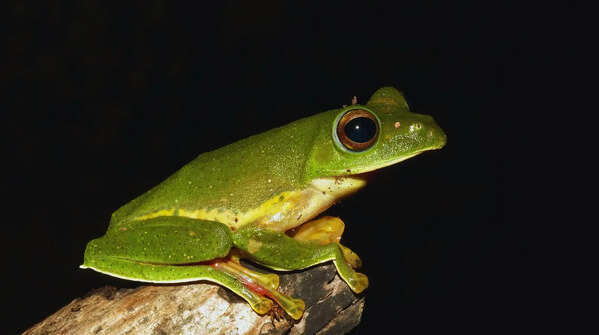
Devarakadus of Kodagu
These sacred forests, popularly known as Devarakadus, are small pockets of community-owned forests found in Kodagu. These forests are the last remaining examples of the Western Ghats flora that has vanished from everywhere else. Scientists claim there are over a thousand such groves within Kodagu alone. These forests conserve amphibians, birds, endemic flora, reptiles, pollinators, and medicinal plants, and ensure water security to

Silent Valley Rainforest
The evergreen rainforests of Silent Valley have long been considered by conservationists to be of great importance. They are one of the last few stretches of untouched tropical rainforest within the Western Ghats of India. Besides being famous for its endangered lion tailed macaques, the forest also harbours rare frogs, orchids, insects, endemic birds, and many ancient evergreen trees.
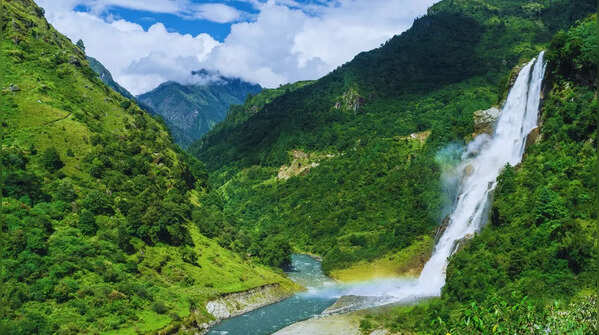
Dibang Valley forests
The forests of Dibang Valley located in the state of Arunachal Pradesh belong to the Eastern Himalaya biodiversity hotspot, which is one of the world’s 25 biodiversity hotspots. From subtropical valleys to alpine regions, these forests consist of Mishmi takins, red pandas, rare pheasants, orchids, and medicinal herbs. Its remoteness has made it a haven of wildlife where habitats have remained comparatively more untouched than the mainland areas. Discoveries of insects, amphibians, and plants are still being made in the Eastern Himalayas.
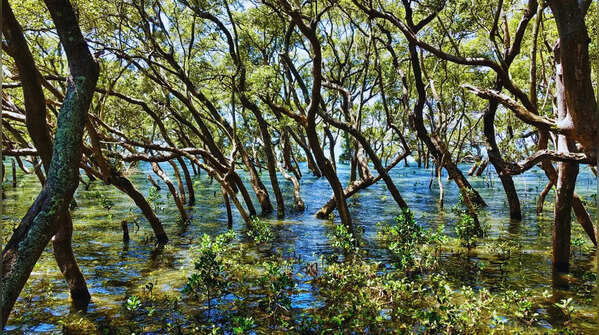
Myristica swamps of the Western Ghats
The Myristica swamps of Kerala and Karnataka are some of India's most rare forest ecosystems. Referred to as “living fossil forests,” these freshwater swamp forests have existed for millions of years and are made up of primitive trees belonging to ancient Gondwana flora. They consist of forest swamps that host endemic amphibians, reptiles, insects, and swamp flora. Several endemic species inhabit these forests that are extremely localized
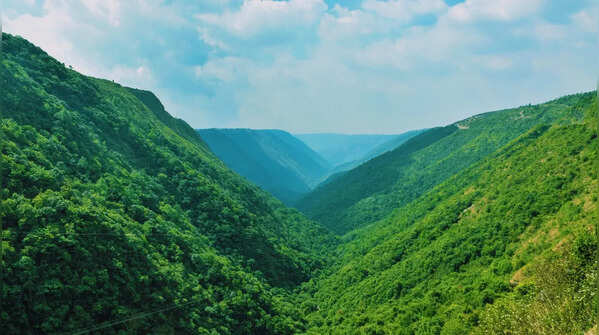
Khasi pine and cloud forests
In addition to its sacred groves, Meghalaya houses cloud forests and Khasi pine forests that have evolved due to some of the highest rainfall rates in the world. The forest habitats support carnivorous plants, orchids, butterflies, amphibians, mosses, and cave ecosystems. Forests near Cherrapunji and Mawsynram have interesting characteristics due to the effect of rainfall, limestone caves, and waterfalls on dense vegetation. The monsoon period turns this area into one of the biodiversity hotspots of India.
Featured In lifestyle

MORE FROM ETIMES
life & style