Lost burials of famous personalities that archaeologists are still trying to track!


 Credit: iStock/Panchali Dey Credit: iStock/Panchali Dey |
01
Lost burials of famous personalities that archaeologists are still trying to track!
The remnants of notable figures that dominated history present lasting enigmas in the realm of archaeology; however, their significance largely resides in the symbolic domain.
While numerous archaeological revelations do indeed stem from ancient burials, they typically don't concern individuals who were famous. Instead, most often, they provide insights into the societal structure of the interred populace, their societal roles, or the technological aspects linked to the items accompanying them in their graves. They provide proofs to unveil particulars such as the individual's gender, ethnic background, familial ties, and dietary habits.
As such it’s surprising to note that some of the very famous burials, if they are ever found, might help unravel authentic historical mysteries. So, here's a list of the most famous lost tombs and burials.
 Credit: iStock Credit: iStock |
02
Alexander the Great
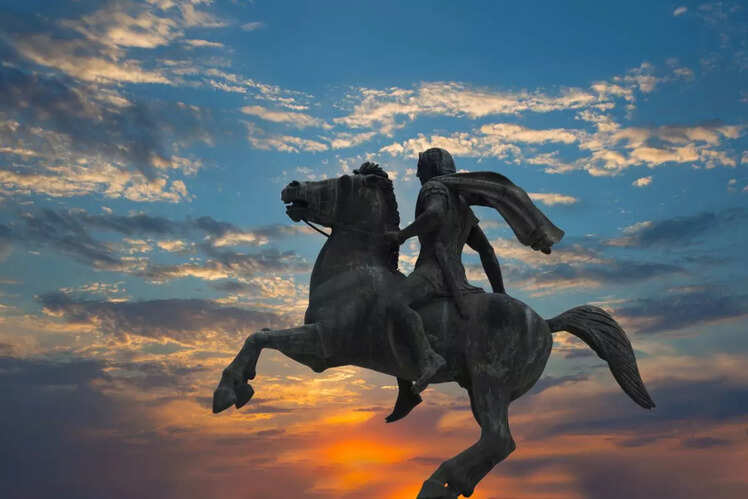
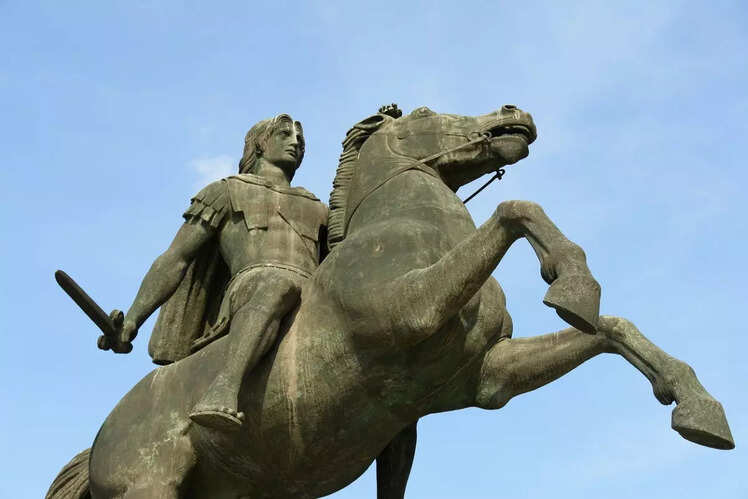
The fate of Alexander's remains remains a baffling enigma, eluding archaeologists' grasp. By 326 B.C., this youthful Macedonian ruler had already swept across much of the ancient world, from Greece and Egypt to the territories now known as Afghanistan and northern India. As he surged onward to further conquests, his trajectory was abruptly interrupted by illness in Babylon. Reports indicate his passing in 323 B.C., followed by his body's preservation in honey and subsequent transport to Egypt. Initially interred in Memphis and later in Alexandria, the city bearing his name, the course of history took a toll on Alexandria during the fourth and fifth centuries A.D., leaving the whereabouts of his remains a mystery to modern archaeologists.
 Credit: iStock Credit: iStock |
03
Genghis Khan
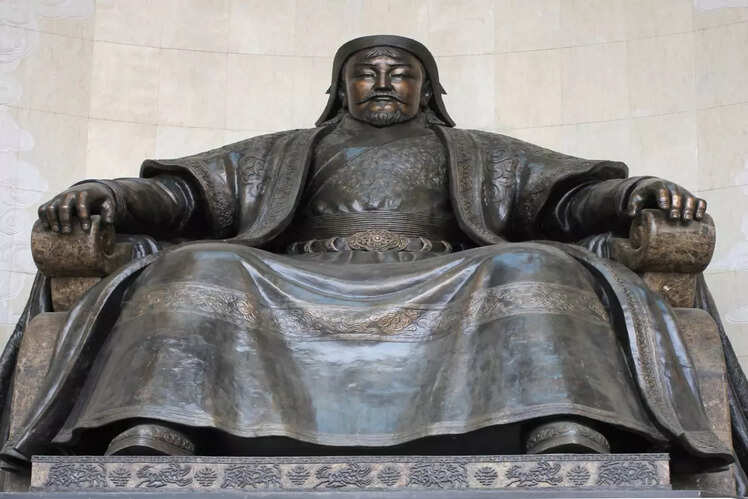
At the time of his passing in A.D. 1227, Genghis Khan, the leader of the Mongols, had solidified an empire that spanned from present-day Ukraine to China. His demise has been attributed to various causes, including illness, hunting-related injuries, or battle wounds. Roughly 75 years later, the Italian explorer Marco Polo recounted that Genghis Khan had succumbed to a wound from an infected arrow during a campaign. Polo further claimed that over 20,000 individuals who were privy to the tomb's whereabouts were eliminated to safeguard its secrecy. Contemporary archaeologists now speculate that the tomb could potentially be located within the Ordos region in northern China.
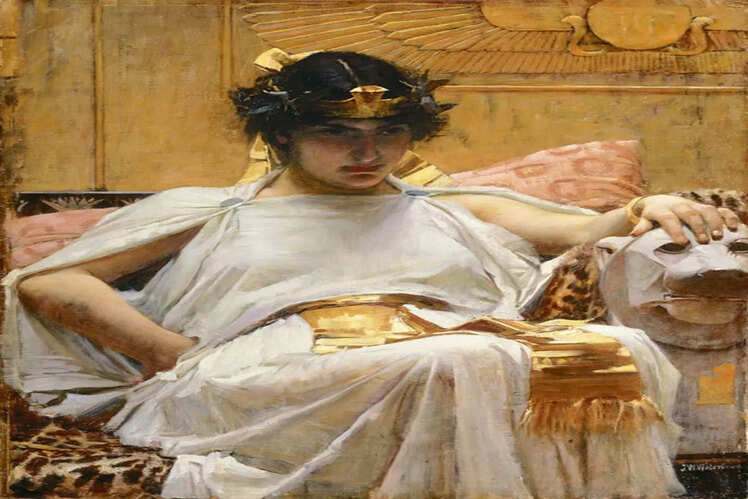 Photo by: John William Waterhouse, Creative Commons Attribution Licence Photo by: John William Waterhouse, Creative Commons Attribution Licence |
04
Cleopatra and Mark Antony
Cleopatra VII Philopator, the final queen of Egypt, had a romantic involvement with Roman general Mark Antony. After Caesar's assassination, Antony allied with Octavian but later rebelled. They lost at the Battle of Actium in 31 B.C. Cleopatra killed herself in 30 B.C., reportedly by a snake bite. Antony, upon hearing of her death, took his own life. There's speculation they were buried together, but the location remains unknown.
 Credit: iStock Credit: iStock |
05
Atila the Hun
Attila, leader of the Huns, conquered Europe in the 5th century A.D., forming the powerful Hunnic Empire with allies like Goths and Bulgars. His brutal rule began in 434 A.D., making him a feared enemy of the Roman Empire. In 453, on his wedding night, Attila died at around 47. Bleeding heavily during the festivities, rumors hint at poisoning by his Gothic wife, Ildico. Attila's tomb, believed to be in Hungary with vast riches, remains hidden, sealed by the death of the servants who buried him.
 Credit: iStock Credit: iStock |
06
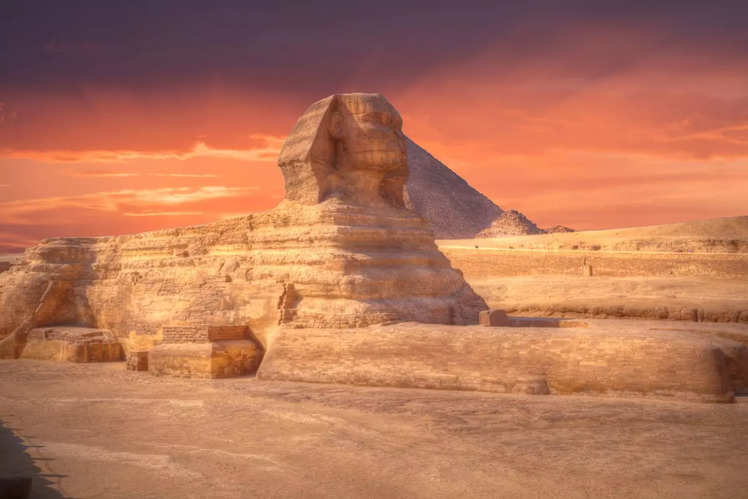
Khufu
The ancient Egyptians are renowned for their lavish royal tombs, and many of these lost tombs are featured here. One of the oldest Egyptian king's tombs, however, isn't truly lost – it's the Great Pyramid of Giza, a towering landmark near Cairo. Despite its fame, the exact chamber within this massive pyramid where King Khufu rests has never been found, despite extensive exploration of its passages and chambers. Khufu, also called Cheops, ruled Egypt from around 2551 B.C. to 2528 B.C. Recent cosmic ray scans revealed a hidden tunnel within the pyramid, though its connection to a concealed tomb chamber remains unproven.
 Credit: iStock Credit: iStock |
07
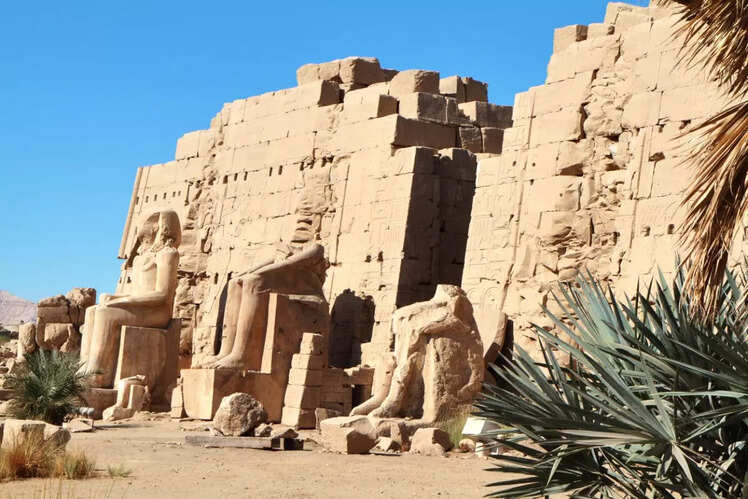
Amenhotep I
Amenhotep I, an ancient Egyptian pharaoh reigning between 1525 B.C. and 1504 B.C., had his mummy uncovered in the 19th century from a hidden burial cache near modern Luxor (once Thebes) to safeguard it from grave robbers. Yet, his royal tomb remains undiscovered. Known for temple restoration and attempts to expand Egypt's reach abroad, Amenhotep I garnered popularity among later ancient Egyptians, inspiring a dedicated commemorative cult.
 Credit: iStock Credit: iStock |
08
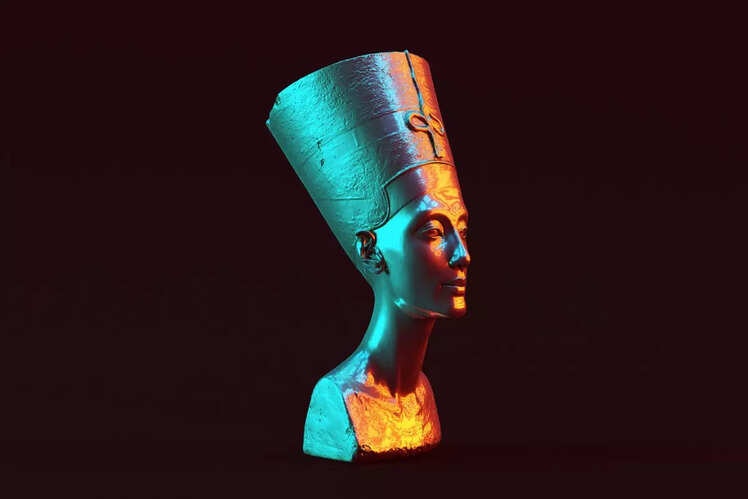
Nefertiti
Nefertiti, an Egyptian queen of ancient times, gained widespread fame. A painted wooden head, believed to have inspired stone sculptures, was discovered in an Egyptian workshop's remains in 1912, enhancing her reputation. Living around 1370 B.C. to 1330 B.C., she was married to Pharaoh Akhenaten. He introduced a sun-focused form of monotheism known as the Aten and underscored the royal family's significance. Despite discussions, Nefertiti's royal tomb and mummy remain elusive.
Visual Stories
Right arrow
Travel
10 pretty Indian villages to visit this year-end

Travel
8 castles in Germany straight out of a fairy-tale

Travel
8 tiger reserves every wildlife enthusiast should visit in India

Travel
10 animals that are easily spotted in Ranthambore National Park

Travel
How to prepare for a night safari in India?

Travel
9 rare animals to spot in the Western Ghats and where to find them

Travel
10 must-visit Indian cities starting with the letter ‘V’
Travel
From tigers to caracals: Top destinations in Rajasthan to spot big cats
Travel
10 things to know before going on a tiger safari in Tadoba-Andheri Tiger Reserve

Travel
8 deadliest snakes that live in the forests of Amazon
Join Us On FacebookClose

closecomments

Be the first one to review.
We have sent you a verification email. To verify, just follow the link in the message
Trending Stories
India's 'Mountains of Death' is not actually a mountain – what and where is it?
Places that receives highest rainfall in south India during monsoon season
In photos: South India's wildest waterfalls to witness during monsoon season
10 UNESCO World Heritage Sites in India that deserve a spot on every history and nature lover’s bucket list
Is Delhi expecting thunderstorms and hailstorms? IMD issues major travel warning as extreme weather hits Indian states simultaneously
Top 10 most visited states of America and travellers should know
5 perfect ways travellers can spend summer holidays in Uttarakhand
Travel trivia: 10 countries famous for what they don’t have
This Indian state witnesses ‘Summer Snowfall’ without a single snowflake; here’s why travellers are obsessed
India's 5 most dangerous roads with stunning views; here’s what adventure seekers must know first



Comments (0)