Gopal Ganapati Temple and Ponda Fort
Gopal Ganapati Temple and Ponda Fort
You're Reading


Synopsis
Start your tour of the northern side of Ponda with a classic temple and a peek in to the region's history. If you speak with locals about this holy site, they may narrate a story that how a shepherd boy with his cattle on his dail … Read more
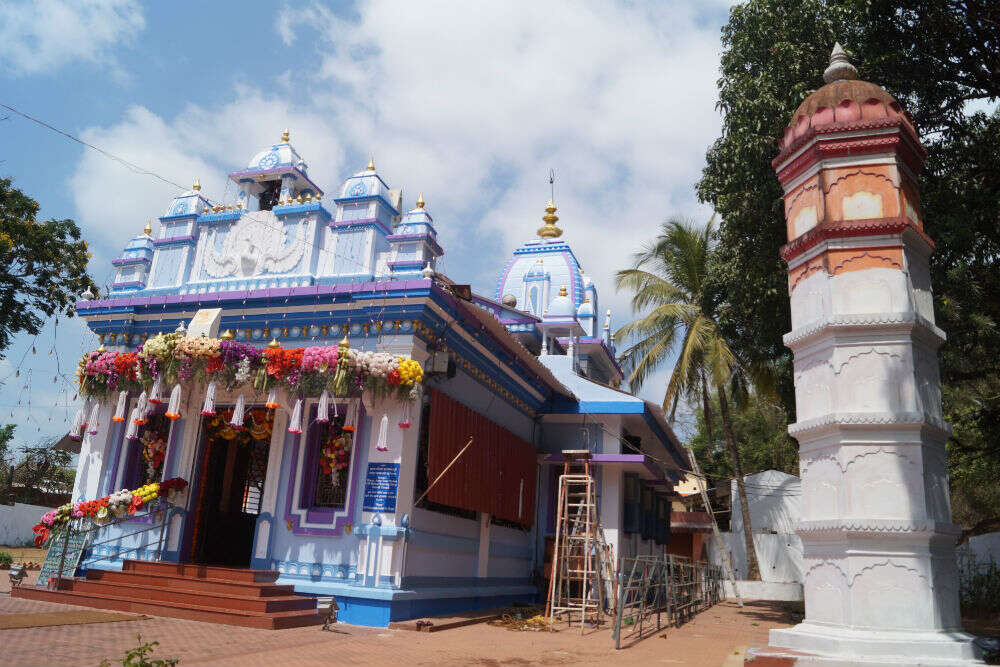 Start your tour of the northern side of Ponda with a classic temple and a peek in to the region's history. If you speak with locals about this holy site, they may narrate a story that how a shepherd boy with his cattle on his daily route stumbled upon a stone idol of Lord Ganesha. In the Indian mythology, a cow herder is depicted as Gopala, an avatar of Lord Krishna. Hence, the temple is called Gopal Ganapati. The temple was subsequently consecrated in 1966 and in 2016, marked 50 years or its golden jubilee of existence. The temple is said to have been built by Goa's first chief minister, Late Dayanand Bandodkar. While keeping with the general architectural tradition, the temple has a deepa stambha to the right of its entrance. However, you would notice differences too. This temple's spire sports a classical design as opposed to a dome or a gable-style roofs that are be seen elsewhere in Ponda.
Ponda has also witnessed a series of battles and hosts a popular fort opposite the beautiful Gopal Ganapati temple at Farmagudi. Simply cross the road to peek in to Ponda's history. The Islamic ruler Adil Shah is said to have built the original fort in the 16th century. In the mid 17th century, the emerging Maratha empire captured, rebuilt and defended it against the Portuguese. The Marathas ruled this region through their vassals for a significant amount of time. The fort changed ownership again by the end of 18th century when the Portuguese annexed the remaining parts of Goa in a campaign that is dubbed as Novas Conquistas (New Conquests). However, by then they had lost missionary zeal of forcefully converting people to Christianity. Hence this central region of Goa retains a Hindu outlook.

closecomments

Be the first one to review.
We have sent you a verification email. To verify, just follow the link in the message
end of article
Next story
Anant Narsimha Temple
Visual Stories
10 pretty Indian villages to visit this year-end

8 castles in Germany straight out of a fairy-tale

8 tiger reserves every wildlife enthusiast should visit in India

10 animals that are easily spotted in Ranthambore National Park
How to prepare for a night safari in India?

9 rare animals to spot in the Western Ghats and where to find them


Trending Stories
Is this the most unique temple ‘darshan’ in India?
Hantavirus Alert: India’s Union Health Ministry activates precautionary surveillance; what travellers need to know
Flying abroad with medicines? What travellers need to know before packing prescription drugs
From women-only night beach to floating walkway: What can travellers expect from Dubai's brand new tourist attraction?
Oldest fires in the world that are still burning, and why they deserve to be on your travel-wishlist




Comments (0)