Self-drive safari in the Kruger National Park
Self-drive safari in the Kruger National Park
You're Reading


Synopsis
The Kruger National Park, established in 1898 to protect the wildlife of the South African Lowveld, sprawls over an area of nearly two million hectares and is home to an impressive number of species: 507 birds, 336 trees, 147 mamm … Read more
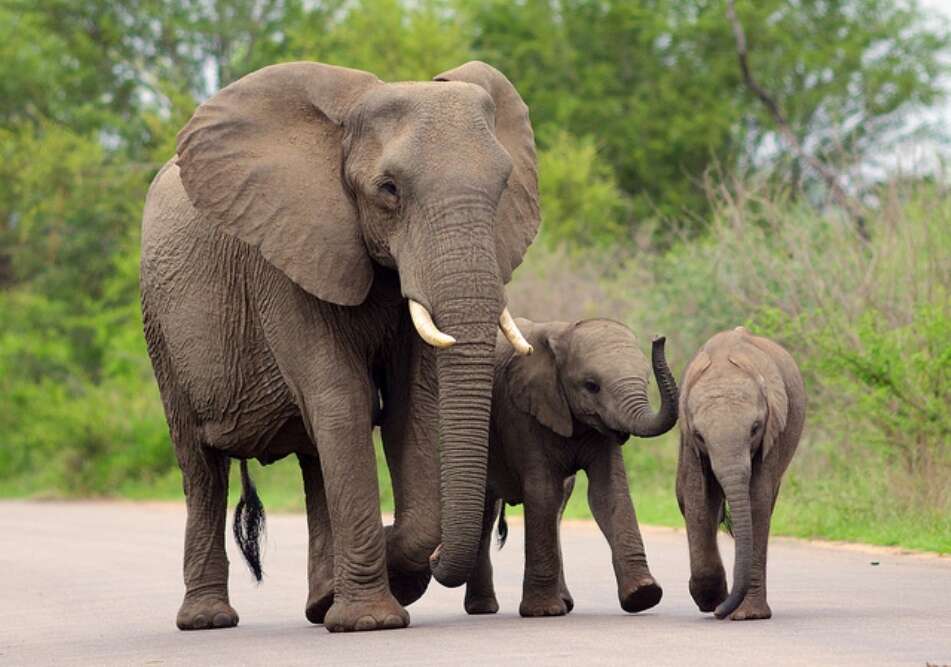
The Kruger National Park, established in 1898 to protect the wildlife of the South African Lowveld, sprawls over an area of nearly two million hectares and is home to an impressive number of species: 507 birds, 336 trees, 147 mammals, 114 reptiles, 49 fish and 34 amphibians, according to the South African National Parks authority. That means that even when you don’t see one of the famed Big Fives (elephant, lion, leopard, buffalo, rhinoceros) there still is plenty else to look at. Game drives in elevated open vehicles complete with ranger and spotter afford exceptional views over the surrounding bush, and seeing a good selection of game is almost guaranteed as guides exchange sighting tips over the radio. Guided trips are also the only form of safari that allows off-road and night time exploration. I particularly enjoyed self-drive safaris, a specialty of the Kruger National Park. A network of tarred and dirt roads criss-crosses the park and visitors are free to roam at their leisure, provided they never get out of their cars in the bush, and return to camp or exit gate by sunset. I took off every morning armed with a road map, plenty of drinking water, a full gas tank, a dusted-off telephoto lens and a healthy dose of patience. Alternating between the peaceful solitude of remote dirt roads and the comforts of the easily-accessible main sites, I spent hours watching a hippo’s nostrils poking at the surface of a lake, a beetle building up a dung ball much bigger than its own body or a baboon nursing her young. And when a majestic elephant bull unexpectedly emerged from the bush to cross my path, the undisturbed privacy of the encounter made it all the more precious.

closecomments

Be the first one to review.
We have sent you a verification email. To verify, just follow the link in the message
end of article
Next story
Ngorongoro Crater Wildlife Safari
Visual Stories
10 pretty Indian villages to visit this year-end
8 castles in Germany straight out of a fairy-tale
8 tiger reserves every wildlife enthusiast should visit in India
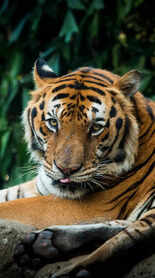
10 animals that are easily spotted in Ranthambore National Park
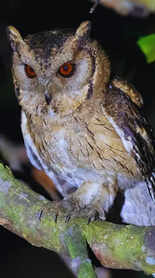
How to prepare for a night safari in India?
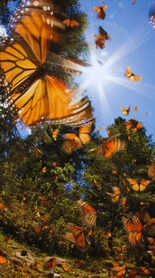
9 rare animals to spot in the Western Ghats and where to find them


Trending Stories
10 best UNESCO spa towns of Europe where people visit for wellness and healing
Kolkata Police issues traffic advisory ahead of historic oath ceremony at Brigade Parade Ground; what travellers need to know
4 most hostile natural places on Earth — and why tourists still visit them
8 most uniquely designed passports in the world
She kept screaming, “I am not tied well”; teen tourist dies in a cliff swing accident in China sparking outrage over adventure tourism safety




Comments (0)