New Zealand’s Blue Lake—the clearest lake in the world
New Zealand’s Blue Lake—the clearest lake in the world
You're Reading


Synopsis
Blue Lake (Rotomairewhenua in Māori) is a small fresh water lake in Nelson Lakes National Park, in the northern reaches of New Zealand's Southern Alps. In a study conducted in 2011, researchers of the National Institute of Water a … Read more
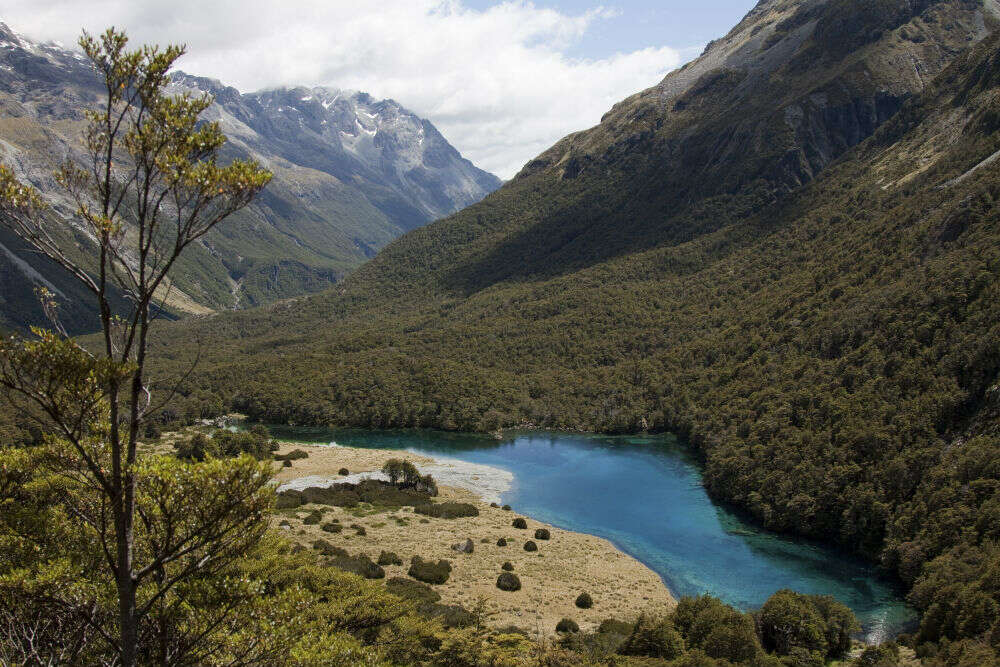
Blue Lake (Rotomairewhenua in Māori) is a small fresh water lake in Nelson Lakes National Park, in the northern reaches of New Zealand's Southern Alps. In a study conducted in 2011, researchers of the National Institute of Water and Atmospheric Research (NIWA) have found that the lake has extreme visual clarity of up to 80 m, which is considered almost as ‘optically clear’ as distilled water. The visibility of Blue Lake even surpasses that of the renowned Te Waikoropupu Springs in Golden Bay, which has a visibility of 63 m. Blue Lake is characterised by blue-violet hues seen only in the very clearest natural waters. The lake is spring fed from the neighbouring glacial Lake Constance, but the water passes through landslide debris that forms a dam between the two lakes. The natural dam filters out nearly all the particles suspended in the water giving the lake the most intense natural blue-violet colour.
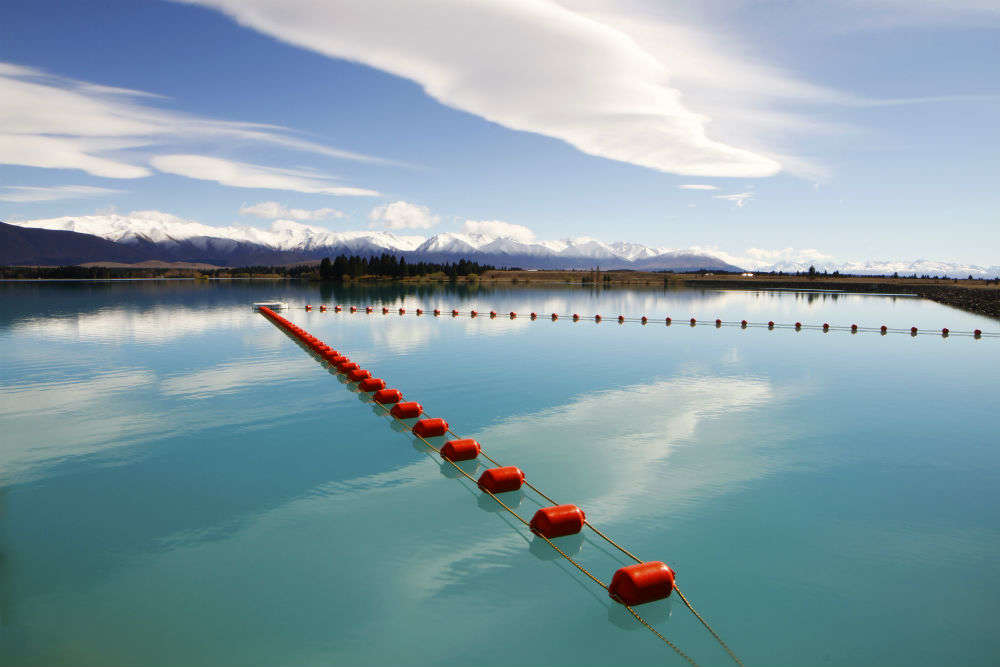


Nelson-based NIWA hydrologist Rob Merrilees first recognised that Blue Lake might be optically outstanding, having observed on tramping trips that this water body appeared broadly similar to Te Waikoropupu. He mentioned his suspicions to NIWA aquatic optics specialist, Dr Rob Davies-Colley, who had led the original work on Te Waikoropupu Springs. On a preliminary tramping visit to Blue Lake in March 2009, the two Robs were surprised to find that the visibility of Blue Lake exceeded that of Te Waikoropupu.
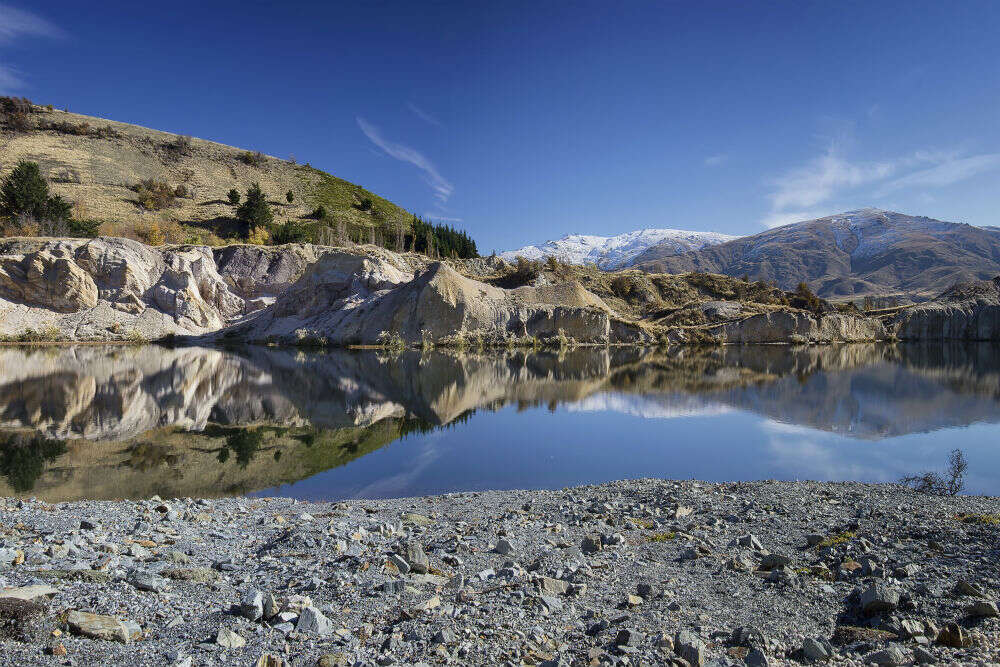 They subsequently organised a scientific study of the lake with involvement of NIWA scientist Mark Gall, an expert in ocean optics instrumentation. Several visits by helicopter (six in all) established that the horizontal visibility in the lake typically ranges from 70-80 m. "The theoretical visibility in distilled water is about 80 m, as estimated from the best available instrumental measurements in the laboratory," says Dr Davies-Colley. So, Blue Lake is a close approach to optically pure water.

closecomments

Be the first one to review.
We have sent you a verification email. To verify, just follow the link in the message
end of article
Next story
The best places to spend the New Year
Visual Stories
10 pretty Indian villages to visit this year-end

8 castles in Germany straight out of a fairy-tale

8 tiger reserves every wildlife enthusiast should visit in India

10 animals that are easily spotted in Ranthambore National Park

How to prepare for a night safari in India?

9 rare animals to spot in the Western Ghats and where to find them



Trending Stories
Places that receives highest rainfall in south India during monsoon season
In photos: South India's wildest waterfalls to witness during monsoon season
10 UNESCO World Heritage Sites in India that deserve a spot on every history and nature lover’s bucket list
Is Delhi expecting thunderstorms and hailstorms? IMD issues major travel warning as extreme weather hits Indian states simultaneously
Top 10 most visited states of America and travellers should know



Comments (0)