Champagne
Champagne
You're Reading


Synopsis
The region of Champagne has become synonymous with the romance of the sparkling wine it produces. There are around 300 Champagne villages, which are becoming more and more attractive as the Champagne tourist trade increases and in … Read more
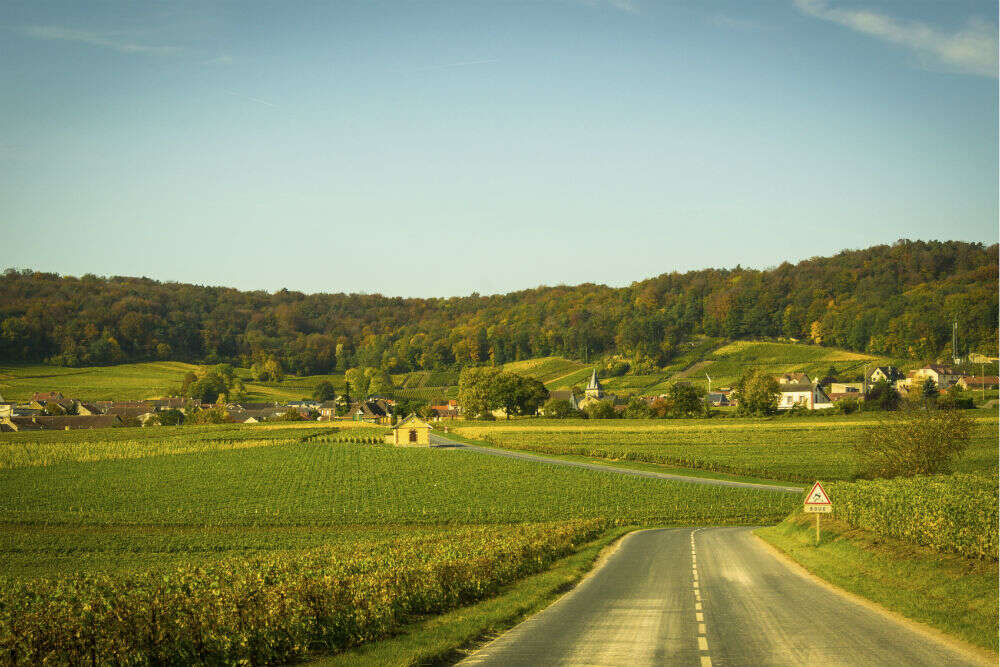
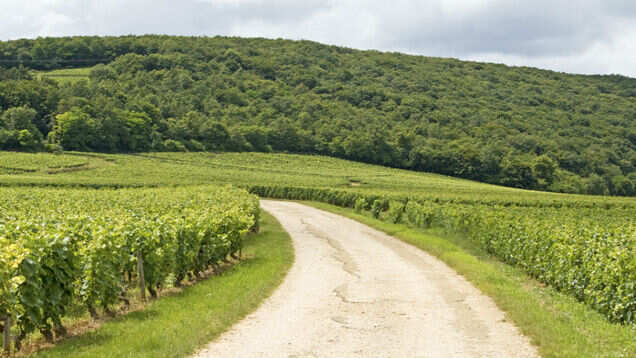
The region of Champagne has become synonymous with the romance of the sparkling wine it produces. There are around 300 Champagne villages, which are becoming more and more attractive as the Champagne tourist trade increases and interest grows in the history and culture of wine making in the region (especially the story of Dom Perignon, Benedictine Monk and first person to blend Champagne and to develop ways of containing it). Sparkling wine starts out it’s life as still wine, in the case of Champagne, mostly thin, acidic blends of Pinot noir, Chardonnay and Pinot Meunier grapes. Champagne is then fermented in the bottle. When the yeast breaks down the sugars produce the carbon dioxide sparkle (many people will tell you that when you taste Champagne before the fermentation process has occurred you’ll be able to see why it’s so important to the region, so make sure you try some.).
The premium grapes are grown on the gentle slopes of the Montagne de Reims where many of the great names in Champagne are based, including familiar names to the international markets like Pommery, Krug, Tattinger and Roederer. Most producers don’t grow their own grapes, instead buying from the vineyards, but the ones who do are obviously going to be the most interesting to visit, one of the highlights will be the ’dipping’ process where the yeast is delicately frozen in the bottle neck. Traditional producers here still employ a person to gradually turn the bottles upside down to get rid of the yeast called a Remueur, who expertly turns up to 40,000 bottles a day; this is a pretty impressive sight to see if you can arrange it. The beautiful architecture of Reims, especially its cathedral, where generations of French Kings were crowned, and the Palais de Vergeur are also reasons to visit Champagne, as are the Roman ruins, statues and squares with pretty stone fountains. Champagne is close enough to Paris to visit for a day trip.

closecomments

Be the first one to review.
We have sent you a verification email. To verify, just follow the link in the message
end of article
Next story
Vineyards of Burgundy
Visual Stories
10 pretty Indian villages to visit this year-end
8 castles in Germany straight out of a fairy-tale

8 tiger reserves every wildlife enthusiast should visit in India

10 animals that are easily spotted in Ranthambore National Park

How to prepare for a night safari in India?
9 rare animals to spot in the Western Ghats and where to find them


Trending Stories
Travel alert: From heat wave in Rajasthan to heavy rain in West Bengal and Northeast—what to expect
Why May is the best time to visit the “Mango City of India” and how to reach here
UNESCO-recognised rail wonders of India and why they’re among the world’s most unique train experiences
Mumbai vs Delhi: Why this Canadian traveller rated one city "0" and the other “100”
Why food is expensive in the mountains: Viral clip explains why tea and food cost more on mountain trails



Comments (0)