Bhojpur temples
Bhojpur temples
You're Reading


Synopsis
Located on sandstone ridges typical of Madhya Pradesh, next to a deep gorge on the Betwa River, Bhojpur was the seat of Bhopal’s founder, Raja Bhoj, a Parmar Rajput who ruled Malwa in the 11th century. Raja Bhoj was known for his … Read more
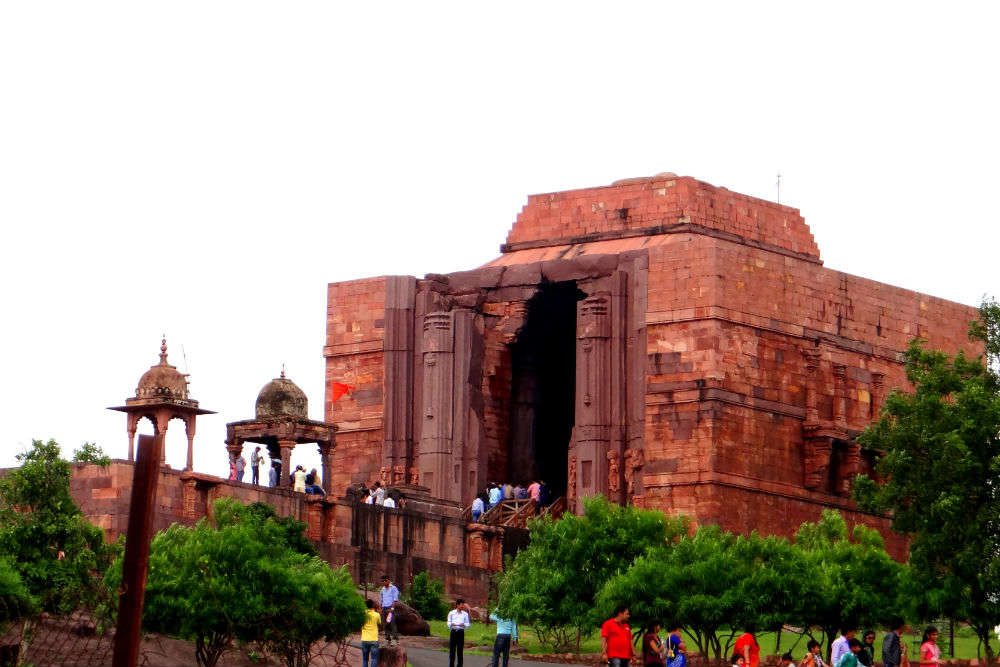
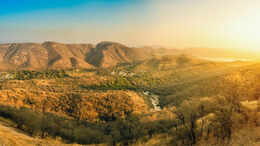
Located on sandstone ridges typical of Madhya Pradesh, next to a deep gorge on the Betwa River, Bhojpur was the seat of Bhopal’s founder, Raja Bhoj, a Parmar Rajput who ruled Malwa in the 11th century. Raja Bhoj was known for his works on philosophy, poetry, medicine, veterinary science, phonetics, yoga and archery, his military leadership, and for establishing Malwa as an intellectual hub with a Sanskrit centre at Dhar. At Bhojpur, he is credited with the construction of dams built using massive hammer-dressed stones, creating a large lake destroyed in the 15th century on the orders of Hoshang Shah. Raja Bhoj built many temples including Bhojeshwar Temple at Bhojpur, about 30km south of Bhopal. The temple is a simple square shrine supported by massive pillars, surmounted with an intricate corbelled dome. Though incomplete, Bhojeshwar Temple is worth seeing for the exquisite sculptures that cover its doorways and ceiling. Within the temple is a huge shivalingam, a cylindrical stone about seven-and-a-half to eight feet high and 17 to 18 feet in circumference rising from a tiered platform. Given its massive size, ropes and pulleys are used to offer milk to the lingam, which is dressed daily with fresh flowers. Walk around the temple to see the ramps used to haul stones up to the high roof of the temple. You can see plans of the temple complex etched on rocks. Across the gorge is a cave. Bhojpur also has the remains of a palace and an unfinished Jain temple. Pilgrims throng Bhojpur during Shivratri, when a religious fair occurs around the Bhojeshwar temple.

closecomments

Be the first one to review.
We have sent you a verification email. To verify, just follow the link in the message
end of article
Next story
Prehistoric art at Bhimbetka
Visual Stories
10 pretty Indian villages to visit this year-end
8 castles in Germany straight out of a fairy-tale
8 tiger reserves every wildlife enthusiast should visit in India
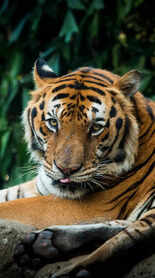
10 animals that are easily spotted in Ranthambore National Park
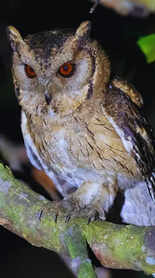
How to prepare for a night safari in India?
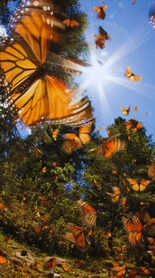
9 rare animals to spot in the Western Ghats and where to find them
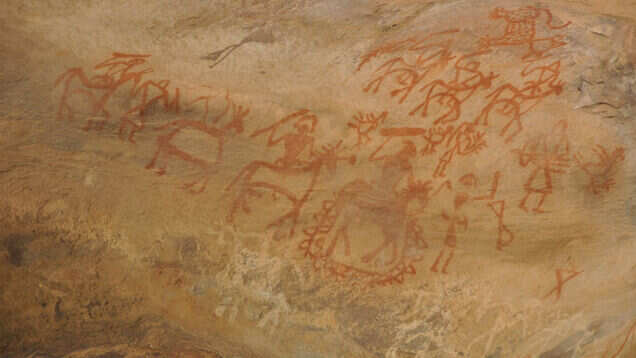


Trending Stories
This mountain range is the oldest in India—and older than dinosaurs: 5 stunning facts
How train tracking apps in India work even without the internet? What travellers need to know
The ‘Big Four’ snakes of India and where travellers can spot them in the wild
Which are the most common surnames around the world? Things travellers should know
Not Ayodhya but this is the most visited temple in India



Comments (0)