Drukgyel Dzong
Drukgyel Dzong
You're Reading


Synopsis
Drukgyel Dzong which translates to the fortress of victory is a famous archaeological site in Bhutan, situated on a ridge in the upper Paro. Now in ruins, the dzong was built in 1649 to mark Bhutan’s victory over the Tibetan force … Read more
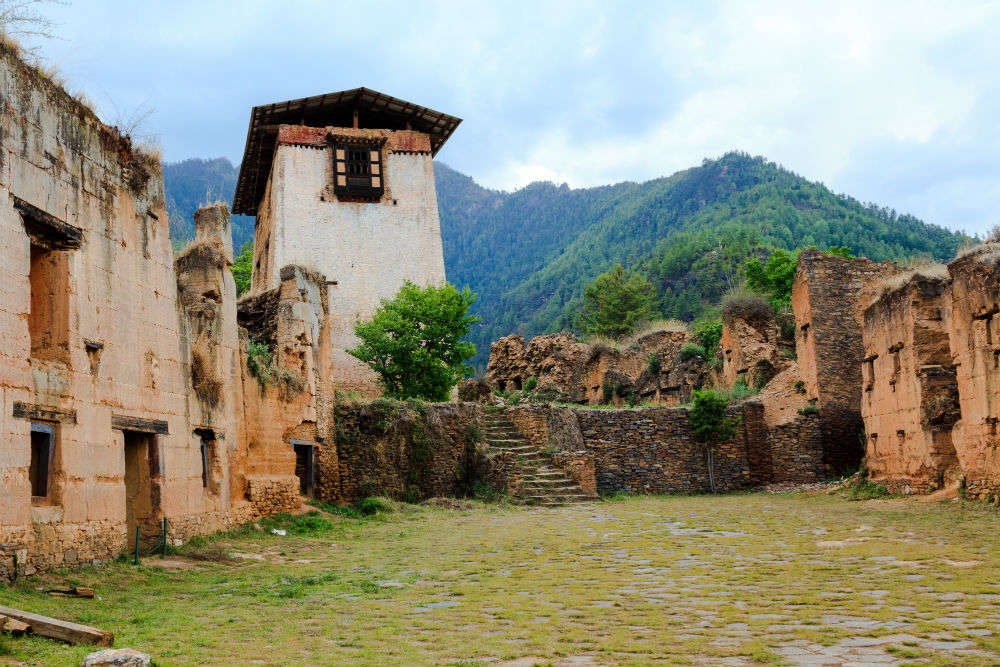 Drukgyel Dzong which translates to the fortress of victory is a famous archaeological site in Bhutan, situated on a ridge in the upper Paro. Now in ruins, the dzong was built in 1649 to mark Bhutan’s victory over the Tibetan forces. There are mixed theories on who built this dzong though. Few researchers believe that it was built by Zhabdrung Ngawang Namgyal himself to commemorate his victory over the Tibetan army in 1649. While few believe it was Tenzin Drugda, Paro’s Penlop at the time, built it at the order of Zhabdrung Ngawang Namgyal. Since its construction, Drukgyel served as a significant base for defence in the region when it got burned out in 1951 by fire. Even after this, the Dzong continued as an imperative monument connecting Bhutanese people with the events that led to the maintenance of country’s sovereignty. It also used to be the summer residence of Ringpung Rabdey. If weather permits, Bhutan’s holy peak, Mt. Jumolhari, can be seen in the backdrop.
closecomments

Be the first one to review.
We have sent you a verification email. To verify, just follow the link in the message
end of article
Next story
National Museum
Visual Stories

10 pretty Indian villages to visit this year-end

8 castles in Germany straight out of a fairy-tale

8 tiger reserves every wildlife enthusiast should visit in India

10 animals that are easily spotted in Ranthambore National Park

How to prepare for a night safari in India?

9 rare animals to spot in the Western Ghats and where to find them


Trending Stories
This is the only Jyotirlinga temple in Jharkhand and why it draws millions of pilgrims every year
From reversing waterfalls and doorless homes; Maharashtra’s most unique wonders every curious traveller should experience
Meet the cutest ‘toll collectors’ in the Himalayas and why Zanskar deserves a spot on every traveller’s bucket list
Indian towns where clouds float through the streets
“In logo ko sharam nahi aati kya”: Indian tourists’ dance on Vietnam’s famous ‘Hanoi Train Street’ sparks online backlash




Comments (0)