
- News
- Sports News
- Cricket News
- New Zealand look to emulate India's spin masterclass, says assistant coach Luke Ronchi
Trending
New Zealand look to emulate India's spin masterclass, says assistant coach Luke Ronchi
New Zealand's assistant coach Luke Ronchi plans to mimic the Indian spinners' tactics on the second day of the Pune Test. Washington Sundar and Ravichandran Ashwin's variation in delivery speeds dismantled New Zealand's innings, restricting them to 259. India is 16/1 in response. Ronchi emphasized maintaining consistent lengths and utilizing the surface's variable bounce.

(PTI Photo)
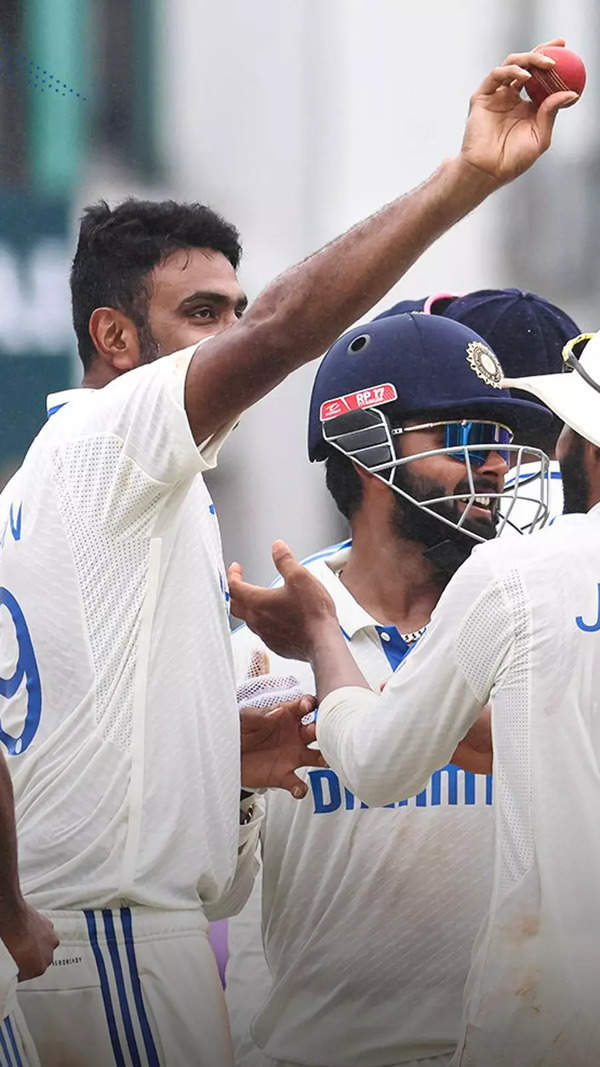
The Indian spinners, particularly Washington Sundar and Ravichandran Ashwin, effectively varied the speed of their deliveries to take wickets and restrict New Zealand's first innings total.
Sundar claimed an impressive 7 wickets for 59 runs, while Ashwin chipped in with 3 wickets for 64 runs. Their combined efforts limited New Zealand to a score of 259. In response, India reached 16/1 at the end of the first day's play.
🔴 LIVE: IND vs NZ: Rohit Sharma & Co. Get Their Playing XI Right | Washington Makes Instant Impact
Ashwin and Washington devised a strategy to induce a collapse in the New Zealand batting lineup, which had reached 197/3. The plan involved mixing up the pace of their deliveries to unsettle the batsmen.
Ashwin struck first, dismissing three top-order batsmen. Washington then took charge, claiming the remaining seven wickets, achieving his best-ever figures in Test cricket.
"That sort of made for variable, a bit more turn and bounce and variable sort of reactions off the surface, so that's something we can use in our bowling innings, knowing that changes of pace are quite significant," he added.
Ronchi praised Washington for maintaining consistent lengths on the first day, allowing him to maximize the surface's potential.
"It was just this consistency of being able to hit a good area for long periods of time. There were some balls that went really wide in the crease.
"He got some good drift and the ball that got Rachin (out) was from really wide and straight and hit (the off stump). That's a really nice ball to bowl for anyone," he said.
Ronchi mentioned that although the pitch at the MCA Stadium didn't provide as much spin as expected, the key for New Zealand would be to maintain tight bowling against the Indian batters.
"Both teams could quite easily say at the start of the day, they thought this wicket would turn more than it has so far, but again, it's just about tomorrow for us, build pressure, bowl in some good areas and get that ball (off) variable bounce," he added.
"We saw some balls today really jumped off a length and then some stayed a little bit, they just skidded through a little bit, it's going to be a surface where maybe as the game goes on you're not going to feel like you're actually in," he added.

About the Author
TOI Sports DeskEnd of Article
FOLLOW US ON SOCIAL MEDIA








Photostories

Top Sports News
TOP TRENDING
Explore Every Corner
US Election Results
Popular Categories
Hot on the Web
Top Trends
WPL 2025 AuctionPresident PutinJill BidenUS Elections NewsAllan LicthmanDonald TrumpUS States Winner ListUS Election Results 2024WPL Full Retention ListUPSC Calendar 2025Donald Trump Net WorthRobin UthappaCBSE Disaffiliated School ListWPL 2025 RCB Retention ListKamala HarrisDonald Trump SonSRK Death ThreatUS Election Winners and Losers
Trending Topics
Bhool Bhulaiyaa 3 ReviewKaun Banega Crorepati 16Shark Tank IndiaHair FallSuniel ShettyRaja KrishnamoorthiSingham Again ReviewTom Cruise MoviesYellowstone Season 5Kaun Banega Crorepati 16Indian Breakfast RecipesAmaran Box Office CollectionSingham Again 3 OTT ReleaseAmaran ReviewMutton CurryDigvijay Singh RatheeDonald Trump Net WorthUS Presidents List
Living and entertainment
Latest News
Swiggy IPO sees 35% subscription on Day 2Ananya Panday pays tribute to Rohit Bal by rewearing his ‘21-year-old’ custom-suit designed for her mom Bhavana PandeyAt 6%, rural FMCG growth 2x of urbanRe hits record low of 84.38 as dollar surges after Trump winIndia should be part of RCEP, CPTPP: Niti CEOPenguin spotted at an Australian beach 2,200 miles away from its native landActivists claim UGC cell sitting on ragging plaintsCharity by India Inc up 4%, Nadar biggest giverAllow registration in insolvency cases if OC issued: IBBIStation master's 'OK' sends train, his life on wrong trackEnd of runway for Jet: SC orders liquidation, nixes revival planCentre doubles penalty for stubble burningSC proposes planting 2x trees felled in Ridge, order to be passed todayDoctor prescribe Ozempic mistaking 60-pound tumour in the belly for obesityAuto driver among three held for raping researcher near ITO in Oct'Bring down temp': Biden vows peaceful transitionIndia slams 'hypocrisy' of Canada on free speechBigg Boss 18: Sara Arefeen Khan has an emotional break down as she accuses makers of being biased towards Vivian Dsena; says 'Mujhe nahi pata tha BB itna partiality karte hain'
Copyright © 2024 Bennett, Coleman & Co. Ltd. All rights reserved. For reprint rights: Times Syndication Service