

- News
- Speaking Tree News
- Daily Ecstasy News
- Shiva: From ‘I’ to ‘We’ – The Journey Beyond Self
Shiva: From ‘I’ to ‘We’ – The Journey Beyond Self
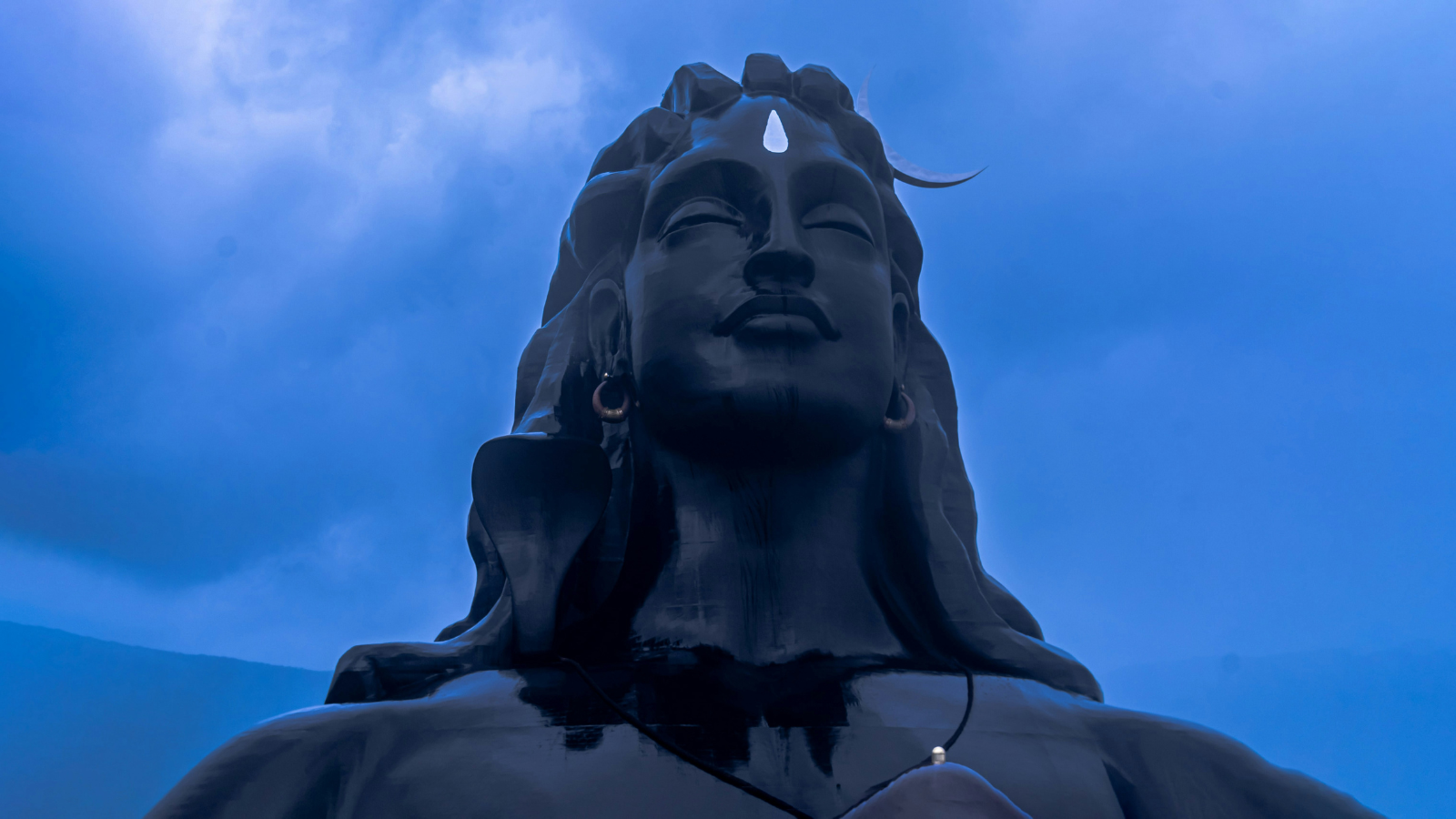
Shiva, beyond deity, embodies the universe's rhythm, residing within us as witness and breath. He dissolves ego, transforming 'I' into 'We,' fostering compassion and unity. As the destroyer of illusion, Shiva halts desires, initiating renewal from endings, urging inward exploration to break inner barriers and realize our interconnectedness with the cosmos.

Shiva, beyond deity, embodies the universe's rhythm, residing within us as witness and breath. He dissolves ego, transforming 'I' into 'We,' fostering compassion and unity. As the destroyer of illusion, Shiva halts desires, initiating renewal from endings, urging inward exploration to break inner barriers and realize our interconnectedness with the cosmos.
The 'I' That Becomes 'We'
The STOP That STARTs It All
Dancing in the Cosmos, Dwelling in the Heart
Aum Namah Shivaya: The Five Sacred Fires
From Self to Shiva
PC: unsplash
End of Article
Follow Us On Social Media
Hot Picks
Top Trending
Explore Every Corner
Across The Globe
IND vs ENG LiveDwyane Wade WifeTravis KelceStephen CurryConnor McdavidSavannah JamesBrooke HoganBlake LivelyTaylor SwiftMaureen Maguire Passes AwayTom Brady DivorceSaina NehwalChris DuncanRashee RiceRoman ReignsSummerslam WinnersSeth Rollins vs CM PunkSummerslam WinnersSummerslam Women ChampionsSummerslam Heavyweight ChampionshipAaron RodgersSophia SubediSolar EclipseKendrick LamarInfluencer Tiffany FongShashi TharoorPrajwal Revanna Rape CaseAsim MunirUAE Vice PresidentMatt Deitke
Hot on the Web
Bigg Boss Malayalam 7 Live UpdatesKidney HealthBigg Boss Malayalam Contestants ListGauri KhanRajesh KumarFriendship Day WishesFriendship Day MessagesSister's Day WishesYuzvendra ChahalFriendship Day QuotesPradeep NairKingdom ReviewKingdom Box Office CollectionDiabetes SymptomsCancerBeetroot Side EffectsIndian Forest BirdsKingdom Movie ReviewKidney Health SymptomsDhadak 2 Box Office CollectionSaiyaara Box Office CollectionSon of Sardaar 2 Box Office CollectionHari Hara Veera Mallu Movie ReviewMaareesan Movie ReviewDhadak 2 Movie ReviewSon of Sardaar 2 Movie ReviewThalaivan Thalaivii Movie ReviewVitamin DCancer SymptomsSaiyaara Movie ReviewBaby NamesMicrosoft WarningGallbladder StonesJoe BidenUnconventional Romance AnimeCoconut WaterSolar EclipseGum DiseasesAditya GuptaBaba Vanga PredictionChronic InflammationMira Murati
Trending Topics
Noah LylesSerena WilliamsWWE Summerslam ResultsGolden State WarriorsNBA Trade RumorsJaylen BrownNBA Offseason RumorsCarter HartsConnor McdavidMattias EkholmJohnny ManzielsSimone BilesZach Wilson WifeRavindra JadejaZak CrawleyRJ MahvashJoe RootRRB NTPCIGNOU RegistrationPrajwal Revanna Rape CaseIndigo Slap IncidentBengaluru TrafficSurat MurderIndigo Man MissingDelhi RainsFirozabad RapeYounes ZarouMadhan Bob Passes AwayPrajwal RevannaTim CookElon MuskNyt Connections HintsNYT StrandsBill GatesUpi New RulesChatgpt Queries As EvidenceApple Reveals Employees SalariesSpaceX Crew 11Reddit Ceo Steve HuffmanSam AltmanAndrew TullochMatt Deitke
Popular Categories
HeadlinesSports NewsBusiness NewsIndia NewsWorld NewsBollywood NewsHealth+ TipsIndian TV ShowsTechnologyTravelEtimesHealth & FitnessNFLAugust Long Weekend 2025India vs EnglandAstrologyWeather TodayPlatinum Rate TodaySilver Rate TodayGold Rate TodayIs Bank open todayIs Bank Open TomorrowBank Holidays in AugustPublic Holidays in AugustStock Market HolidaysFinancial CalculatorsTechnology NewsInternational SportsPublic HolidaysBank Holidays
Latest News
Why AAI’s $8 million emergency funding initiative is critical for US researchers facing federal grant cutsTom Brady celebrates 48th birthday with heartwarming family photo alongside sister Julie on their special day‘Son of Sardaar 2’ Box Office collection day 3: Ajay Devgn-Mrunal Thakur’s comedy drama races ahead of ‘Dhadak 2’ and ‘Saiyaara’; mints over Rs 9 crore on SundayWith Rs 1k crore biz dip in 1 year; Kolkata's 'mini Bangladesh' counts its losses on 1st upheaval anniversaryDaily Horoscope: Today's astrological predictions for August 4, 2025Aquarius Daily Horoscope Today, August 4, 2025: Stay steady in changing emotional wavesIND vs ENG: Injury rules Jasprit Bumrah out of 5th Test, not workload - all you need to knowNBA Trade Rumors: Could the San Antonio Spurs Pair $193 Million Philadelphia 76ers Superstar With Victor Wembanyama?WWE SummerSlam 2025 (August 3, 2025) Results: Dominik Mysterio wins the WWE Intercontinental title matchRussiagate: Tulsi Gabbard says Russia believed Hillary Clinton's 2016 victory 'inevitable'; claims Obama admin orchestrated hoaxNoah Lyles wins 200m at U.S. championships then gets violently shoved by Kenny BednarekTribunal begins hearing cases against HasinaNo Passports, No Study Abroad: China Limits Public Employees' TravelIn a rare reversal, US NIH reinstates 891 cancelled grants, leaving research teams in disarrayWH defends firing, says Trump wants labour bureau to have reliable data‘They want a win in November’: Trump administration schedules first ‘Golden Dome’ test ahead of 2028 election -Here's what report saidHow To Face ProblemsCapricorn Daily Horoscope Today, August 4, 2025: Celebrate every part of your path
Copyright © 2025 Bennett, Coleman & Co. Ltd. All rights reserved. For reprint rights: Times Syndication Service