
- News
- Science News
- World’s first stem-cell treatment restores vision for patients with severe corneal damage
World’s first stem-cell treatment restores vision for patients with severe corneal damage
Japanese scientists conducted a clinical trial using stem cells to treat severe corneal damage. The trial involved four participants with limbal stem cell deficiency. Researchers used induced pluripotent stem cells to regenerate damaged corneal cells. Three out of four patients experienced vision improvement after the treatment. The study paves the way for new treatment options for corneal diseases.
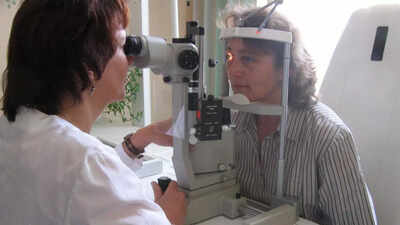
Two years post-surgery, there were no notable safety concerns, and all three treated corneas appeared significantly clearer. Four participants with LSCD, a disorder that leads to scarring on the cornea, were included in the study. The cornea, often described as the eye's "transparent window," relies on stem cells from the limbus, its “frame,” to maintain clarity. Without these cells, gradual vision deterioration is inevitable.
Why stem cell therapy may transform treatment for corneal diseases?
Patients with LSCD in one eye can sometimes have scar tissue removed and replaced with tissue from their other eye. However, if both eyes are affected, a donor transplant is essential. Globally, only 1 in 70 of the 12.7 million people with cornea-related vision loss can access transplants due to limited donor availability and the risk of rejection.
In the lab, iPSCs were coaxed into corneal epithelial cell sheets (iCEPS) and transplanted onto the corneas after scar tissue removal. Seven months after surgery, all four patients showed vision improvement, although one experienced some regression after a year, likely due to an immune response.
Future of corneal stem cell therapy
The success of this pilot study has inspired plans for a multicenter clinical trial. The research team noted, “This study provides the first description of iPSC-derived cell constructs transplanted onto patients’ corneas and offers a hopeful new treatment option for LSCD.” Though promising, more research is needed to confirm the long-term safety and efficacy of the procedure. The findings were published in The Lancet.
Also Read | African elephants face shocking 70% population decline due to habitat loss and poaching; study finds

About the Author
TOI Science DeskEnd of Article
FOLLOW US ON SOCIAL MEDIA
Photostories

Hot Picks
TOP TRENDING
Explore Every Corner
Across The Globe
Most uncapped playersSheikh HasinaCSK Full SquadMI Squad Projected 11Chennai School Holiday Tomorrow
RCB Squad Projected 11Australia Social Media BanIPL Most Expensive PlayerCKS Squad Projected 11IPL Teams Squads
Popular Categories
Hot on the Web
Top Trends
Eknath ShindeIPL 2025 Sold and Unsold Player ListParliament Winter SessionPrithvi ShawSardar Vallabhbhai PatelWasim AkramRishabh PantIPL 2025 Full Teams SquadKEA VAO ResultDelhi Nursery AdmissionsSSC CGL Tier 1 ResultIndia vs AustraliaIPL All TeamsMoshin NaqviStock Market TodayIndian Cricket TeamTamil Nadu RainLive Cricket Score
Trending Topics
NayantharaGangaThe Sabarmati ReportWeight GainKanguva CollectionAmitabh Bachchan HomeMalaika AroraAishwarya RaiBigg Boss 18Sonnalli SeygallBigg Boss 18 PromoThe Great Indian Kapil Show 2Vaibhav SuryavanshiSkincare Tips for WinterWeight Loss TipsHair FallRansomware Attack On StarbucksBsnl Recharge PlansOla S1
Living and entertainment
Latest News
Priyanka Gandhi Vadra takes oath as MP, Constitution copy in handNeed stricter laws to curb vulgarity on social media: Union I&B minister Ashwini VaishnawHemant Soren takes oath as 14th CM of Jharkhand as INDIA bloc puts up show of unityAll are shocked but UBT Sena won't walk out of MVA: MP Sanjay RautMahayuti partners huddle with home minister Amit Shah on Maharashtra govt contoursBengal 2020 body chopping case: Death penalty for 7; girl's testimony proved to be vital, says lawyerReturn before Trump takes office, US universities tell studentsCorbett forest cameras spying on women, says study; probe orderedAishwarya Rai Bachchan's sister-in-law Shrima Rai addresses rumours of rift with her 'nanad', shares screenshot of apology from commenterGujarat PM-Jan Aarogya Yojana fraud: 18-year-old made to undergo angioplastySupreme Court collegium recommends Delhi HC CJ Manmohan as SC judgeFossilized poop reveals secrets of how dinosaurs came to dominate EarthGoogle faces CCI probe over complaint by gaming firmStudents allege nightlong ragging at AIIMS-RaipurRescued 40-year-old 'discovers' cars, fruitPollution crisis in Delhi-NCR: Grap-4 continues, Supreme Court to review curbs on MondaySensex tumbles 1,190 points, investors lose Rs 1.4 lakh croreSupreme Court to hear CBI plea to transfer Yasin Malik's trials to Delhi
Copyright © 2024 Bennett, Coleman & Co. Ltd. All rights reserved. For reprint rights: Times Syndication Service