
- News
- Real Estate News
- Why mud homes remain cool in summers: 5 ancient homemaking techniques that need to come back
Why mud homes remain cool in summers: 5 ancient homemaking techniques that need to come back
Why mud homes remain cool in summers: 5 ancient homemaking techniques that need to come back
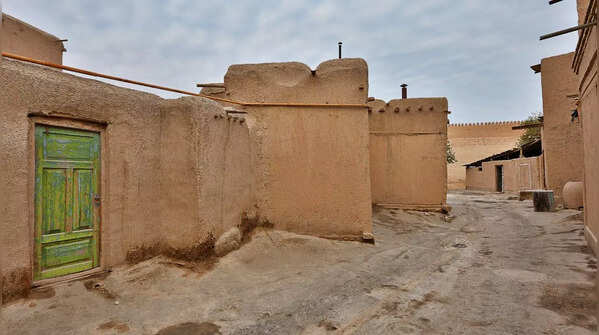
For centuries, the traditional houses made of natural materials have been designed in such a way that they adapt easily to the climatic conditions of the region. In many parts of India and other hot countries, mud houses have been particularly appreciated for their remarkable capacity to provide comfort even in the scorching tropical summer heat. The houses made of mud are the result of intelligent construction strategies that work in harmony with nature rather than against it. As the importance of sustainable architecture is growing in the modern world, many such ancient homemaking strategies are once again coming into focus for their comfort and eco-friendliness.
Image Credit: Canva
Thick mud walls
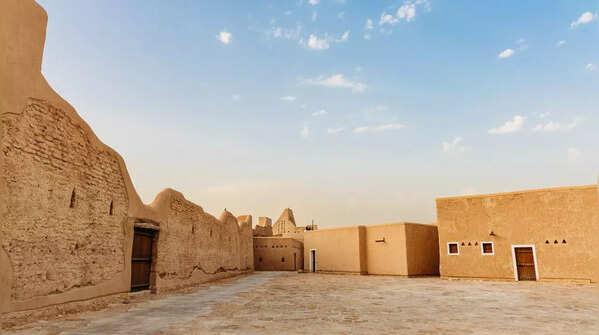
One of the most significant aspects of traditional mud homes is their thick walls. Mud has good insulating qualities. The thick walls of mud homes help retain the temperature inside the home. On hot days, the thick walls absorb the temperature slowly and prevent it from rising inside the home. At night, the temperature releases slowly from the walls, maintaining a constant temperature inside the home. The temperature inside the home remains cool and pleasant.
Image Credit: Canva
Use of natural materials
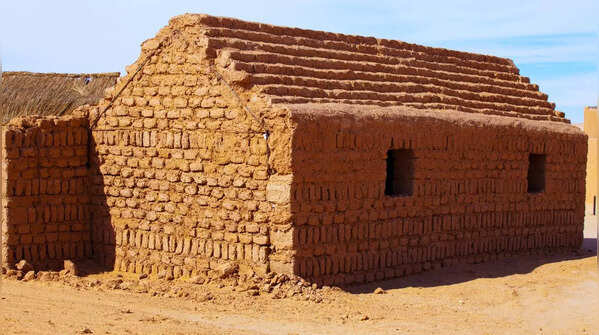
Mud homes are built with readily available natural materials such as clay, straw, sand, and cow dung. These materials allow the walls to breathe. The walls can breathe because they easily absorb and release moisture. The materials used to build mud homes are not like concrete materials that retain temperature and make the home hotter.
Image Credit: Canva
Courtyard-based design
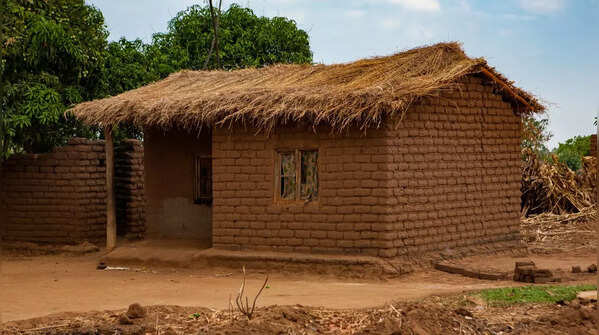
Traditional homes often included a central open courtyard. This design allowed natural airflow to circulate throughout the house. Warm air would rise and escape through the open space, while cooler air flowed into the surrounding rooms. The courtyard also provided shade and natural light, reducing the need for artificial cooling and improving comfort during hot weather.
Image Credit: Canva
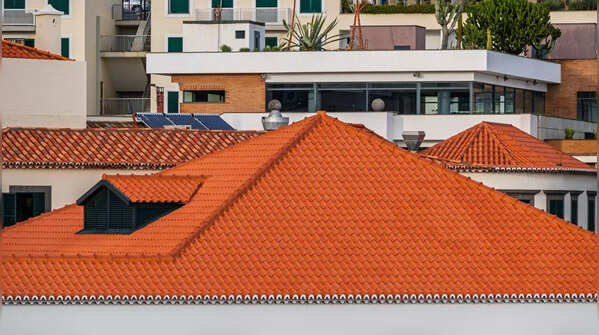
Thatched or clay-tiled roofs
Roofs made of thatch, clay tiles, or other natural materials play a major role in keeping mud houses cool. These roofing materials do not absorb as much heat as metal or concrete roofs. The layers of natural fibers or tiles create small air pockets that act as insulation, preventing excessive heat from entering the house and maintaining a pleasant indoor temperature.
Image Credit: Canva
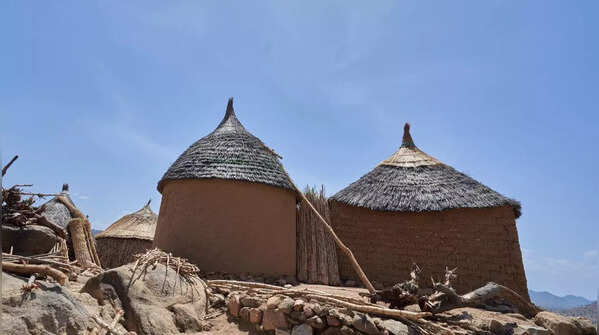
Lime or mud plaster coatings
Many traditional homes used lime or mud plaster on walls instead of cement. Lime plaster reflects sunlight and has natural cooling properties. It also allows moisture exchange between the wall and the air, which helps regulate indoor temperatures. This breathable coating not only improves comfort but also increases the durability of the walls while maintaining an eco-friendly construction style.
Ancient mud houses exemplify the intelligent application of sustainable architecture, keeping interiors cool without the need for modern air-conditioning. As the world searches for sustainable and eco-friendly housing strategies, the ancient homemaking practices are again coming into focus for their potential in the modern construction of eco-friendly houses.
Image Credit: Canva
Featured In Real Estate

