
- News
- Health News
- UTI symptoms you shouldn’t ignore: How a simple infection can lead to kidney damage
UTI symptoms you shouldn’t ignore: How a simple infection can lead to kidney damage

From burning sensation to kidney strain: Don’t ignore the first signs
A burning sensation while urinating or the sudden urge to rush to the bathroom often gets brushed aside. It feels minor, temporary, easy to ignore. But the body rarely sends signals without reason. What looks like a simple urinary tract infection can quietly climb its way up and affect the kidneys, the very organs that keep the body’s internal balance in check. That shift, from discomfort to damage, can happen faster than most people expect.
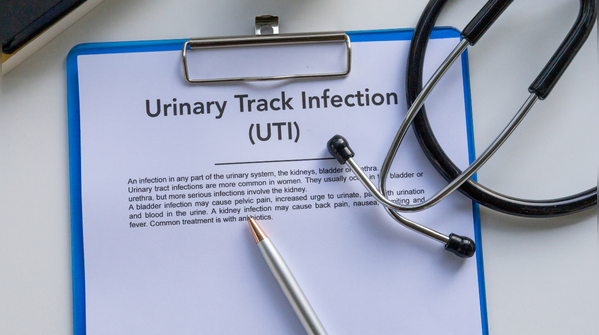
When a small infection doesn’t stay small
Urinary tract infections are common, especially among women, and are usually caused by bacteria such as E. coli. In the early stage, the infection stays in the lower urinary tract. The signs are often mild, burning while passing urine, frequent trips to the washroom, a constant urge, or slight lower abdominal discomfort.
Dr Javaid Tahir explains it clearly, “Urinary tract infections (UTIs) are among the most common bacterial infections, yet they are often ignored due to their mild early symptoms. This can be a costly mistake.”
At this stage, treatment is simple and effective. But delay changes the story.

The silent climb: From bladder to kidneys
If a UTI is not treated on time, bacteria can travel upward. The infection moves from the bladder to the kidneys, leading to a more serious condition called pyelonephritis.
Dr Vikram Kalra notes, “In clinical practice, we often encounter cases where a simple lower UTI develops into a more serious kidney infection, known as pyelonephritis, because treatment was delayed or the patient had an underlying abnormality that was not addressed.”
Once the kidneys are involved, symptoms become harder to ignore. High fever, chills, back pain, nausea, and fatigue start to appear. By then, the infection is no longer local. It begins to affect how the kidneys function.

Why kidney involvement is a serious concern
The kidneys do much more than filter waste. They regulate blood pressure, balance fluids, and maintain essential minerals in the body. When infection reaches them, inflammation begins. Over time, repeated or severe infections can leave scars on kidney tissue.
Dr Tahir highlights the risk, “Repeated or severe infections can cause scarring, reduced kidney efficiency, and even lead to chronic kidney disease. In some cases, the damage may be permanent.”
This is where the problem deepens. Chronic kidney disease often develops quietly, without dramatic symptoms in the early stages. By the time it is detected, significant damage may already be done.
A government-backed resource by the NIH also outlines how untreated infections can lead to complications, including kidney involvement.
Similarly, global health guidance from the World Health Organization stresses the importance of early infection control to prevent long-term organ damage.

Early signs people tend to ignore
The body often warns early, but the signs are easy to dismiss. A mild burning sensation. Slight discomfort. Cloudy urine. A feeling of “it will pass.”
Dr Kalra explains, “Symptoms often start with a burning feeling when urinating, more frequent trips to the bathroom, a strong urge to urinate, cloudy urine, or mild discomfort in the lower abdomen.”
These signs matter. They are not random. They point to an active infection.
So what should raise concern immediately?
Fever along with urinary symptoms
Pain in the back or sides
Nausea or vomiting
Symptoms lasting more than 24-48 hours
These signals suggest the infection may be moving beyond the bladder.

Who needs to be extra careful
Some people face a higher risk of complications. For them, ignoring symptoms can have faster and more severe consequences.
This includes:
Women, due to anatomical factors
Pregnant individuals
People with diabetes
Older adults
Those with weakened immunity
Individuals with existing kidney problems
Dr Tahir adds, “For them, early intervention is even more crucial.”
In such cases, even a mild symptom deserves attention.

Prevention is simple, but action matters
The steps to prevent complications are not complicated. But they require consistency.
Finish prescribed antibiotics. Do not stop midway once symptoms ease. Stay hydrated, as it helps flush out bacteria. Maintain proper hygiene. And most importantly, do not delay medical advice.
Dr Kalra puts it simply, “Timely diagnosis and the right antibiotic treatment are essential.”
There is also a deeper layer to prevention. Recurrent UTIs should not be ignored. They may point to underlying issues like stones, structural abnormalities, or bladder dysfunction. Identifying these early can prevent long-term damage.

Medical experts consulted
This article includes expert inputs shared with TOI Health by:
Dr Javaid Tahir, Consultant Nephrology, NephroPlus.
Dr Vikram Kalra - Consultant Nephrologist at CK Birla Hospital(R), Delhi.
Inputs were used to explain why ignoring early symptoms of urinary tract infections can increase the risk of kidney damage and why timely medical attention is essential.

Medical experts consulted
This article includes expert inputs shared with TOI Health by:
Dr Javaid Tahir, Consultant Nephrology, NephroPlus.
Dr Vikram Kalra - Consultant Nephrologist at CK Birla Hospital(R), Delhi.
Inputs were used to explain why ignoring early symptoms of urinary tract infections can increase the risk of kidney damage and why timely medical attention is essential.
Featured In Health

