
- News
- Real Estate News
- 7 factors driving property price growth in Indian metro cities
7 factors driving property price growth in Indian metro cities
7 factors driving property price growth in Indian metro cities
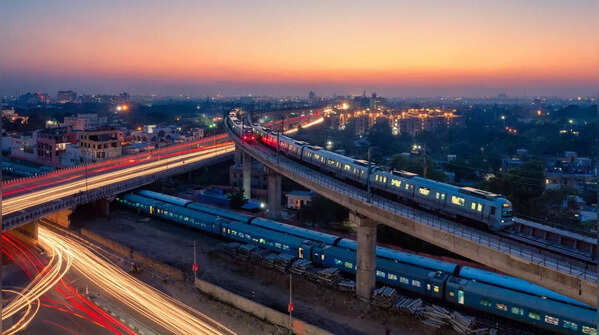
Indian metro housing markets have stayed resilient because demand is being pushed by more than one force at the same time: rising incomes, premiumisation, better infrastructure, stronger job creation, and limited quality supply.
Here are the key factors driving property price growth in Indian metro cities.
Image Credit: Canva

Rising incomes and lifestyle upgrades
As household incomes rise, buyers move beyond basic housing needs and look for larger, better-located, amenity-rich homes. Luxury and ultra-luxury segments expanded rapidly in previous years, supported by higher incomes and lifestyle upgrades. In metros, this shift directly lifts average ticket sizes and overall price levels.
Image Credit: Canva

Interest rate environment and easier financing
When borrowing becomes cheaper, more buyers can stretch their budgets and qualify for higher loan amounts. Interest rate environment is a key tailwind for real estate growth. This fuels price growth in active metropolitan markets.
Image Credit: Canva
Infrastructure-led urbanisation
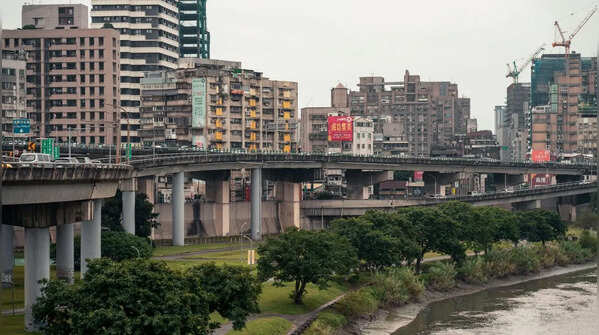
Metro prices rise when transport links, expressways, metro corridors, and urban infrastructure improve a location’s convenience. Infrastructure spending and infrastructure-led urbanisation are major price drivers in India. Better connectivity expands the circle of desirable neighbourhoods, improves commute times, and increases willingness to pay for homes in well-connected urban pockets.
Image Credit: Canva

Growth of GCCs and corporate job hubs
Global Capability Centers (GCCs) and major office clusters are pulling skilled workers into big cities, which strengthens end-user housing demand. Tech hubs such as Bengaluru, Chennai, Hyderabad, and Pune are strong driver of end-user housing demand in urban clusters. Jobs keep demand concentrated in metro corridors.
Image Credit: Canva

Limited supply and slower launches
Prices rise faster when supply does not keep pace with demand. In many metro micro-markets, land scarcity and controlled supply give sellers stronger pricing power.
Image Credit: Canva

Premiumisation of demand
A growing share of buyers now prefers premium and higher-value homes, which pushes average prices upward even when total sales volume softens. This premium shift is a major reason metro pricing remains firm.
Image Credit: Canva

Strong confidence from investors and policy support
Real estate prices also climb when buyers and developers feel confident about the long-term outlook. Under-penetration of housing finance, REITs (Real Estate Investment Trusts) , land-record digitisation, and broader economic growth are structural supports. Strong growth prospects and pro-business reforms are reasons for residential markets to remain attractive in major cities.
India’s metro housing markets are becoming structurally premium due to long-term urbanisation and constrained land supply. Higher incomes, cheaper loans, infrastructure upgrades, job creation, and a strong shift toward premium housing are all working together. At the same time, limited supply in prime urban pockets keeps prices elevated and supports long-term value.
Image Credit: Canva
Featured In Real Estate

