
- News
- lifestyle
- travel
- things-to-do
- Why are wildlife enthusiasts going crazy after the Dhikala Zone of Jim Corbett National Park?
Why are wildlife enthusiasts going crazy after the Dhikala Zone of Jim Corbett National Park?
Why are wildlife enthusiasts going crazy after the Dhikala Zone of Jim Corbett National Park?
Among India’s many wildlife destinations, few names evoke as much excitement as Dhikala, the most famous and sought-after zone of Jim Corbett National Park in Uttarakhand. For decades, Dhikala has been considered the heart of Corbett’s wilderness, attracting wildlife lovers, photographers and first-time safari travellers from across the country and abroad. Located deep inside the core area of Corbett Tiger Reserve, Dhikala is not just another safari gate. It is a complete forest experience, vast grasslands, dense sal forests, river channels, and one of the best chances in India to witness wild animals in their natural habitat.
From iconic landscapes to exceptional wildlife sightings, here are five reasons why the Dhikala zone continues to be the most popular part of Jim Corbett National Park.
Best tiger sighting locations with regular sightings
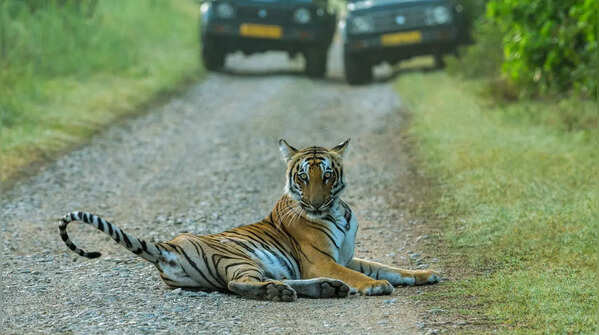
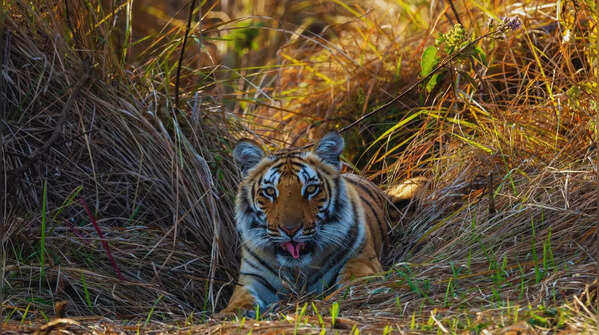
Dhikala is located in the core area of the Corbett Tiger Reserve, where there is minimal human impact, and the prey density is high. Dhikala is characterised by a vast grassland and open riverbeds, which make it relatively easier to spot a tiger compared to the dense forests. This grassland is an ideal hunting ground for Bengal tigers, which are known to roam around in the boundary areas and water bodies. Even though there are no assurances of any sightings, Dhikala has been known to have the highest tiger sighting records in Corbett.
The famous Dhikala grasslands and open landscapes
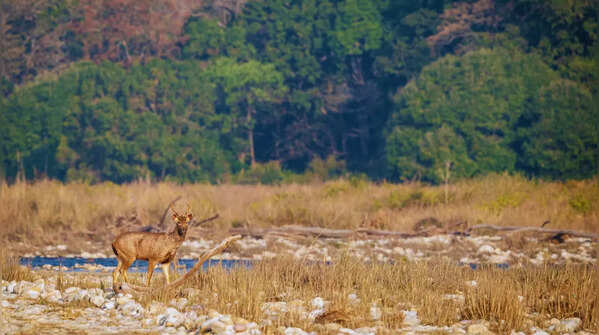
Unlike much of the park, which is dominated by thick forest cover, Dhikala is known for its vast open grasslands, locally called chaurs. These sweeping plains surround the Ramganga reservoir and rank among the largest grassland stretches within the reserve. The open terrain allows for clear sightlines, making wildlife sightings more frequent and prolonged. Large herds of spotted deer, hog deer and sambar are commonly seen grazing here, often alongside wild elephants.
Exceptional diversity of wildlife beyond tigers
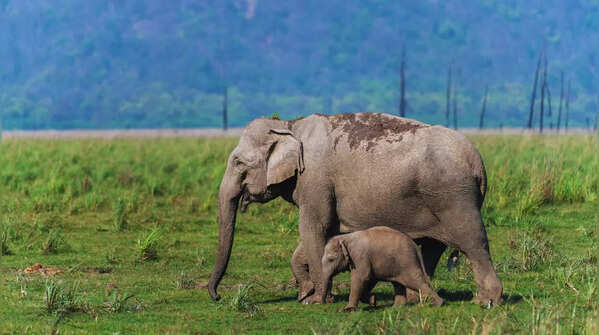
While tigers are the main attraction, Dhikala’s popularity is also due to its extraordinary variety of wildlife. The zone supports one of the richest animal populations in northern India. Visitors commonly see Asian elephants, often in large herds, spotted deer and sambar in high numbers, hog deer, wild boar, sloth bears, langurs, and otters near river channels. Dhikala is also a birdwatcher’s paradise. With riverine habitats, grasslands and forests all in one zone, it attracts over 300 bird species across seasons. Crested serpent eagles, changeable hawk-eagles, hornbills, kingfishers and winter migratory birds are regularly spotted.
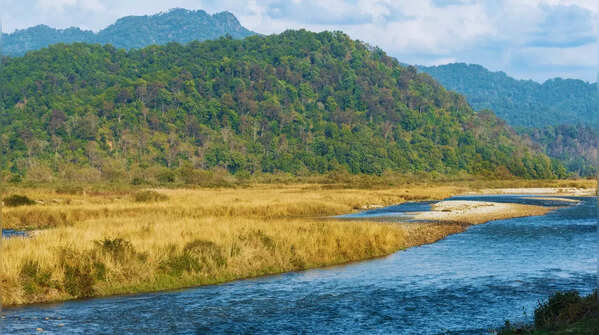
Unique Forest Rest Houses inside the core zone
One feature that sets Dhikala apart from most safari destinations in India is the opportunity to stay inside the core forest area. The historic Dhikala Forest Rest House and its surrounding forest lodges are located deep within the reserve, far from the park’s boundaries and tourist crowds. Staying in the forest enables tourists to explore the forest beyond jeep safaris. Tourists get to hear the alarm calls, barking of deer, hooting of owls, and even the roar of tigers at night. Early morning safaris begin right from the campus of the rest house. Very few national parks in India allow tourists to stay in such sensitive areas. This makes Dhikala a much-in-demand destination, and people book their places well in advance.
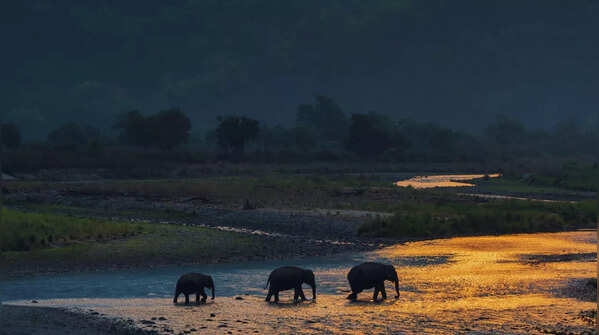
Famous spot on the Ramganga reservoir
The broad river channels and water bodies attract animals during the day, especially during summer when water sources elsewhere are dry. Elephants cross the river, deer congregate along the banks, and predators roam around in search of prey. The reservoir further produces beautiful landscapes. Safaris often pass through riverbeds, tall elephant grass and forest corridors with panoramic views of water, hills and open plains. Sunrises and sunsets over the Ramganga are among the most photographed scenes in Corbett.
Featured In lifestyle

MORE FROM ETIMES
life & style