
17-year-old 'Young Wildlife Photographer of the Year 2025': 7 stunning photos
17-year-old won the 'Young Wildlife Photographer of the Year 2025' 7 stunning photos
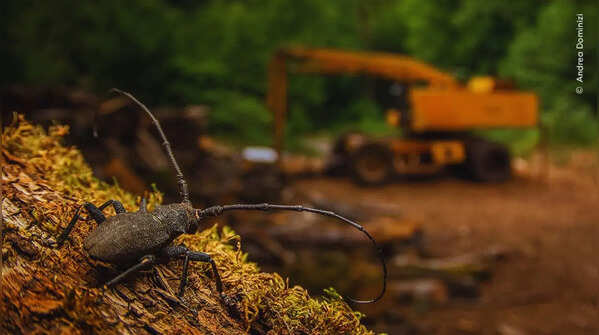
Seventeen-year-old Italian photographer Andrea Dominizi won the Young Wildlife Photographer of the Year 2025 with his striking image After the Destruction, a powerful macro shot taken in the Lepini Mountains in central Italy. The photograph contrasts a longhorn beetle (Morimus asper) with looming logging machinery, symbolising the clash between nature and human activity. Using a wide-angle lens and off-camera flash, Andrea created a powerful contrast between nature and human impact. The image also highlights the ecological role of longhorn beetles, which help decompose dead wood and sustain forest ecosystems. His work stood out for its storytelling and earned top honours in the 15–17 years category. Beyond aesthetics, the image highlights the ecological importance of such species and the impact of habitat disruption.
Here are some more of his stunning works shared on his Instagram account @a.andrea.do
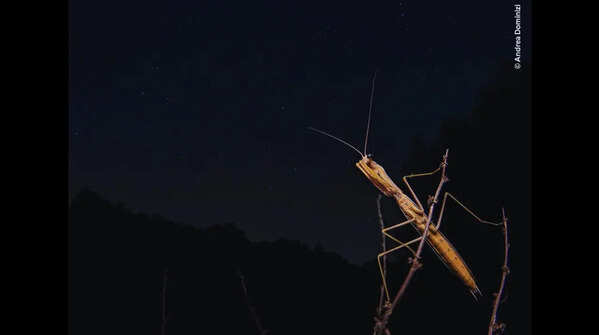
Praying mantis
Andrea shares, “I took this photo at a small lake near my house. In order to obtain this shot, I had to look for a subject large enough and in a good enough position in relation to the sky to be able to photograph that same night.” After finding the mantis, he waited for the right time to take this stunning shot. The photo of the subject and the starry sky in the background looks incredibly beautiful.
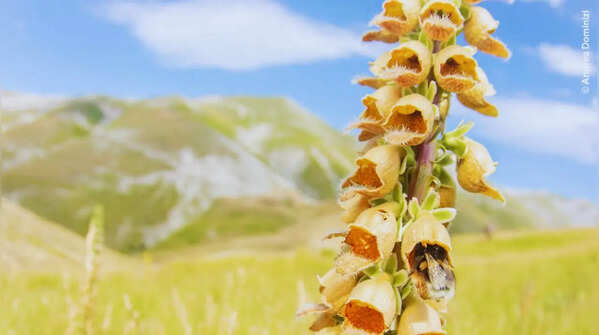
Bumble bee
This image was captured in the Simbruini Mountains, highlighting the high-altitude Apennine landscape marked by wide, treeless grasslands with scattered plant life. The focus is on a foxglove flower with a buff-tailed bumblebee, emphasising the crucial role of pollinators in sustaining fragile ecosystems and natural habitats worldwide.
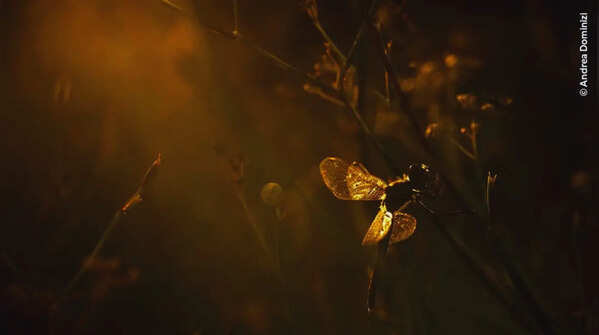
Dragonfly
This image was captured while heading back from an outing, after noticing fast-moving insects in the air that turned out to be dragonflies. Despite low light and increasing rain, multiple attempts were made to photograph them, adjusting quickly to the conditions. After taking several shots, one image finally came out in focus, capturing the moment successfully.

European mantis
This image was captured during a sunset walk in the hills, after spotting a European mantis in a bush. With fading light and limited time before sunset, backlit shots were attempted to make the most of the remaining glow. After a few quick attempts, the desired image was successfully achieved just before the light disappeared.
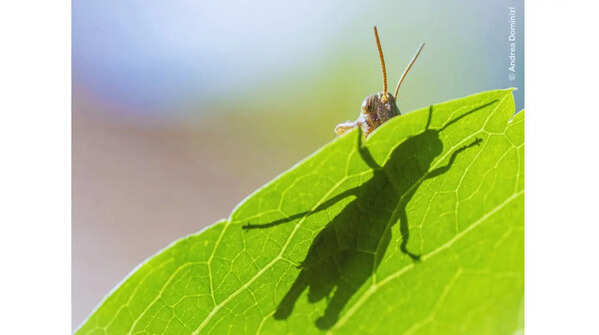
Grasshopper
This image was captured several years ago after a storm, using a grasshopper as the subject to experiment with shadows. It marked one of the first attempts at more creative macro photography and new shooting styles. Even years later, the pursuit of a more personal and creative approach to nature photography has continued.
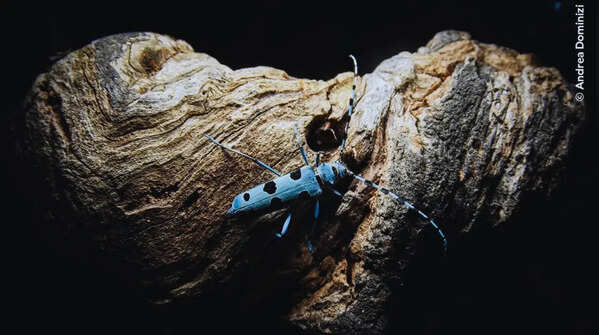
Rosalia Longicorn
This photograph showed a specimen of Rosalia longicorn on a dead beech tree, captured in the Lepini Mountains in central Italy. The species is protected in Europe and often photographed for its rarity and striking colours. However, the moment also highlighted the importance of ethical wildlife photography, stressing that capturing an image should never come at the cost of disturbing the subject or damaging its habitat.
Featured In lifestyle

MORE FROM ETIMES
life & style