
- News
- lifestyle
- travel
- destinations
- 8 iconic wildlife reserves in India where the tiger is not the star attraction
8 iconic wildlife reserves in India where the tiger is not the star attraction

8 iconic wildlife reserves in India where the tiger is not the star attraction
When people consider wildlife tourism in India, the discussion is often dominated by the tiger. What gets lost in the shuffle is the comprehension that the nation’s ecological richness far transcends those apex predators. From wetlands teeming with avian life to forests gaining fame for their rare herbivores, primates and endemics, there are a handful of iconic reserves that boast of exceptional wildlife experiences where the tiger isn’t the crowning glory. Here are eight Indian wildlife reserves where nature gets to take the lead, without the tiger hogging all of the attention.

Great Indian Bustard Sanctuary, Maharashtra
Situated in the dry scrub grasslands of Solapur, the sanctuary is home to one of the rarest birds in the world, a species endemic to India, Great Indian Bustard. The habitat here is dry and open, hosting species that are adapted to arid environments. Blackbucks, Indian wolves and migratory birds are among the creatures that flourish in these grasslands.

Sanctuary of Wild Ass in Little Rann of Kutch, Gujarat
Last inhabited area for the Indian wild ass in this huge salt desert. In the dry season, the cracked white surface is a pristine lunarscape; the monsoon turns it into wetlands that attract flamingos and pelicans. The lack of large predators means that herbivores and birds dominate the landscape.

Keoladeo National Park, Rajasthan
A World Heritage site, Keoladeo is counted among the most famed bird sanctuaries in the world. More than 350 bird species, including migratory waterfowl from Central Asia have been reported to stop at this site. Wetlands, marshes and wood patches form a habitat mosaic, not really suitable for large cats but paradise if you are into birdwatching.

Silent Valley National Park, South India
Some of India’s last virgin tropical evergreen rainforests are protected in Silent Valley, deep within the Western Ghats. It is known for its rich biodiversity of flora and fauna with lion-tailed macaques, Nilgiri langurs, and rare bird species such as black-and-orange flycatcher. Without a safari culture and little human disturbance, this is all about conservation.
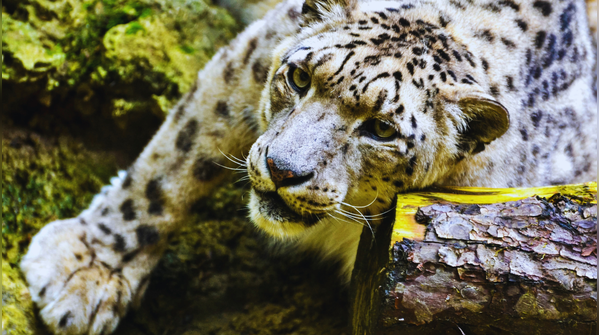
Hemis National Park, Ladakh
Hemis, the largest national park in India, is characterised by its high-altitude cold desert environment. But while there are snow leopards to be found here, they’re elusive buggers, and not much more than the mountainous landscape will greet you on your trek: wide plateaus, alpine meadows, blue sheep cantering away from you with their spiral horns held sideways lumbering around like a bored mid-90s computer game character. Conservation here is connected to local communities.

Valley of Flowers National Park, Uttarakhand
Known for its summer gentian and the Himalayan blue poppy, the valley is a UNESCO World Heritage Site. Better known for its seasonal bloom than any animal activity, the Valley of Flowers bursts into hundreds of varieties of alpine plants each summer. Meadows are filled with butterflies, birds and small mammals as the majestic Himalayas form a dramatic backdrop to take over the experience. It’s a reminder of how wildlife tourism can be as much about flora as fauna.

Gahirmatha Marine Sanctuary, Odisha
This sanctuary is of international importance as the largest nesting ground for Olive Ridley sea turtles in the world. The phenomenon, called an arribada, brings together conservationists and nature enthusiasts each year as the turtles arrive in droves to lay their eggs. The emphasis is on marine ecology, estuarine, mangrove and offshore waters, not terrestrial megafauna.

Khangchendzonga National Park, Sikkim
This UNESCO-listed park shelters a spectrum of ecosystems, from subtropical rain forest to high-alpine tundra. The red panda, the Himalayan tahr and various bird species can be found on its slopes. Its spiritual and ecological value is such that the park is one of India’s most holistic conservation landscapes.
Featured In lifestyle

MORE FROM ETIMES
life & style