
- News
- lifestyle
- travel
- destinations
- 6 countries that don’t really have “names” — just official descriptions
6 countries that don’t really have “names” — just official descriptions
6 countries that don’t really have “names” — just official descriptions
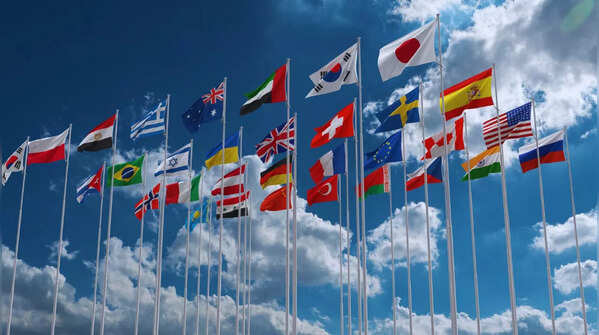
When most of us think about country names, we assume they represent something ancient, a tribe, a civilization, a dynasty, or a cultural identity that evolved over centuries. But that isn’t always the case. Some countries are officially known by what are essentially administrative labels. Their names describe how they are governed, where they are located, or how different political units came together. Instead of a distinct civilizational identity, the name itself reads like a constitutional sentence. In many cases, these titles emerged during moments of political transition, independence from colonial rule, the formation of federations, or attempts to distinguish one state from another with a similar name. Over time, these descriptive titles became permanent.
Here are eight countries whose official names are more functional than traditional.
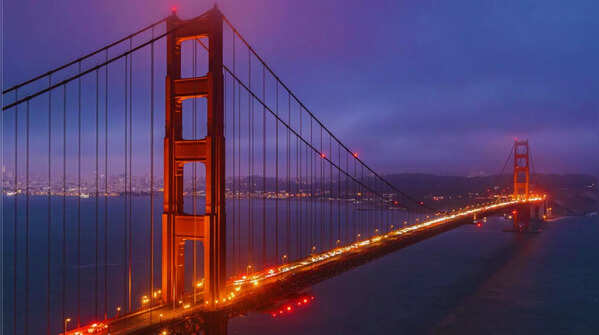
United States of America
Arguably the most prominent example in the world. There is no standalone national name beyond this structure. “America” itself refers to the continents named after explorer Amerigo Vespucci, not exclusively to the country. In fact, during the early years after independence in 1776, people commonly said, “The United States are…” treating it as a plural political entity rather than a singular nation. Over time, the phrase evolved into a proper noun in everyday usage. But technically, it remains a structural description of a federation of states located in America.
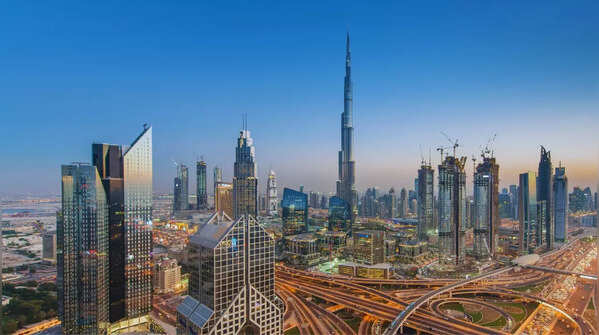
United Arab Emirates
Formed in 1971, this country’s name is a direct reflection of its political arrangement. The nation consists of seven emirates that chose to form a union. Rather than adopting a new, singular name, the federation kept a literal description of what it is: a union of Arab emirates. The title is administrative in nature and clearly outlines the country’s governance model.
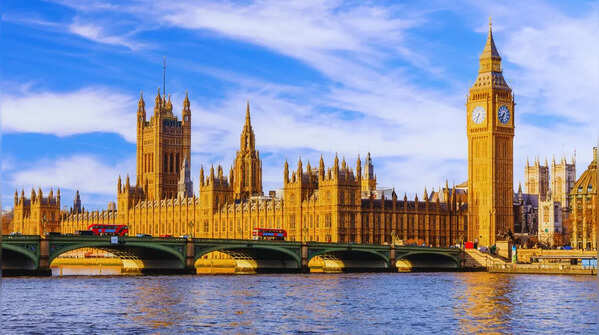
United Kingdom
The full official name, the United Kingdom of Great Britain and Northern Ireland, describes a political union rather than a single historic nation. The term “United Kingdom” reflects centuries of mergers between England, Scotland, Wales, and later Northern Ireland. It is a constitutional description of territories joined under one monarch. While “Britain” has geographic roots, the official state name emphasizes political unity over cultural origin. In essence, the country’s name highlights its formation process rather than a singular ethnic or civilizational identity.
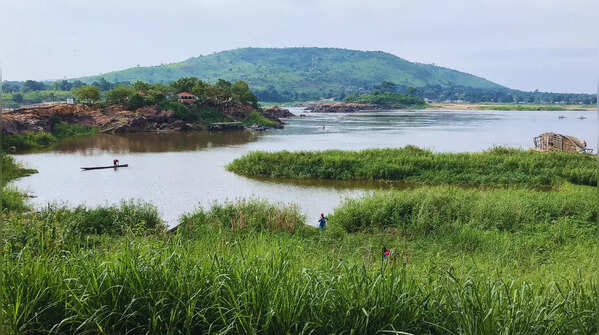
Central African Republic
Few country names are as straightforward. The title simply indicates a republic located in Central Africa. After gaining independence from France in 1960, the country adopted a name that reflected its geographic position and political system. There is no older, pre-colonial national name embedded in the official title. It functions almost like a map label turned into a country name.
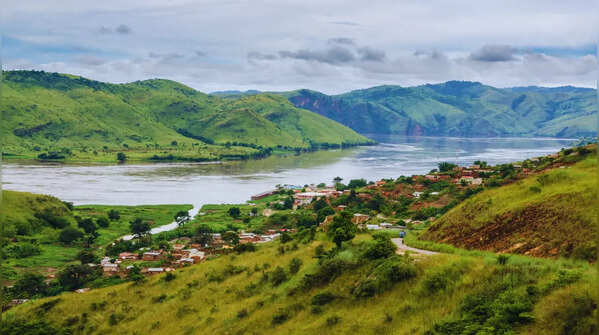
Democratic Republic of the Congo
This name is heavily administrative.
A) Democratic Republic — political structure
B) of the Congo — referring to the Congo River
The river itself was named after the historic Kingdom of Kongo. However, the country’s official name primarily serves to distinguish it from its neighbor, the Republic of the Congo. Over time, political changes led to adjustments in the name, but it has consistently retained its descriptive, governance-focused identity.
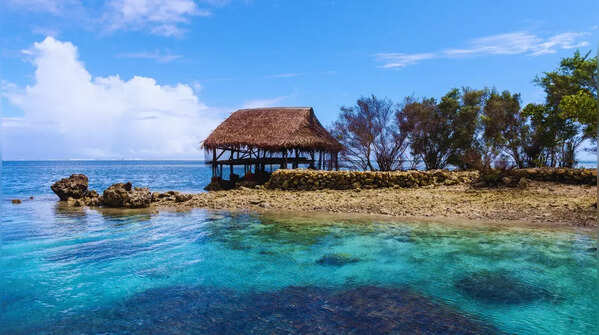
Federated States of Micronesia
This country’s name is almost entirely technical.
A) Federated States — a group of self-governing states in union
B) Micronesia — meaning “small islands” in Greek
Micronesia is actually a broader region in the Pacific Ocean. The official name therefore describes a federation of states located within that region. It does not originate from a singular indigenous national identity but from a geographic classification combined with a political arrangement.
Featured In lifestyle

MORE FROM ETIMES
life & style