
- News
- lifestyle
- travel
- destinations
- 5 passports that saw sharp power declines in the recent times
5 passports that saw sharp power declines in the recent times
5 passports that saw sharp power declines in the recent times
Passport strength affects how quickly citizens can travel the world without a visa, so it's not just about pride. Significant changes in travel freedom in 2025–2026 are revealed by the Henley Passport Index, the international benchmark for passport rankings based on IATA (International Air Transport Association) statistics. These modifications are a reflection of international movement policies, diplomatic ties, and visa reciprocity.
Below, are the breakdown of five passports that witnessed drop in rankings in their power recently and the reasons behind their declines.
United States
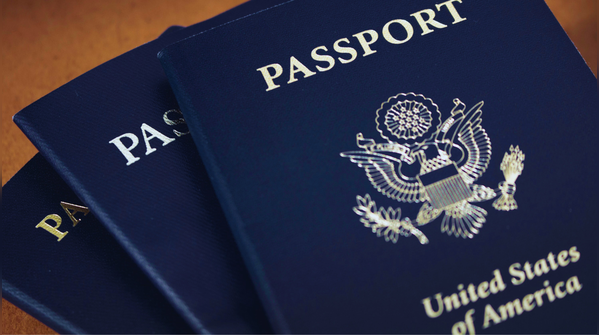
For the first time since 2005 and in nearly two decades, the US passport has found itself ousted from the top ten most powerful passports of the world, and was ranked at 12th position by late 2025. However, in the latest rankings, it’s in 10th position.
In 2014, the US was in the first position, and provided visa-free access to more destinations than any other country, as per the press release by Henley & Passport. By 2026, that ranking fell to 10th place, with visa-free access to 179 destinations; although still strong, but outshone by passports extending even further.
According to the experts, this sliding can be attributed to visa reciprocity, whereby the number of countries allowing US citizens entry without a visa is declining just as the US remains strict in its entry policies for foreigners, and countries around the globe are modifying visa policies that bar US citizens from entry.
This historic decline demonstrates how shifts in immigration policy and diplomatic relations can reshape global mobility power.
United Kingdom
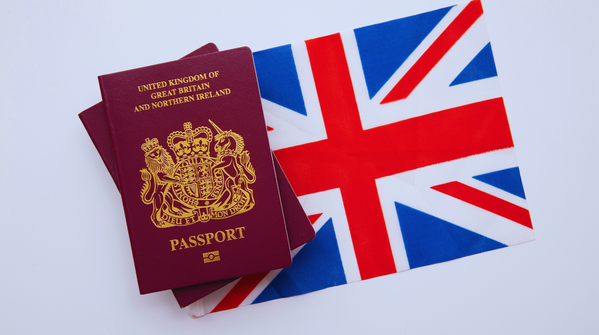
The UK passport has also slid from higher positions over the past decade. It dropped from to the 7th position in 2026 and continues to rank below its mid-2010s peak.
The strengthening of immigration restrictions as well as new global travel partnerships has weakened some of the strong visa agreements.
Nevertheless, the post-Brexit period has also affected the negotiations between European and non-European nations on visa rights. Although it has weakened somewhat, its status still remains strong.
Venezuela
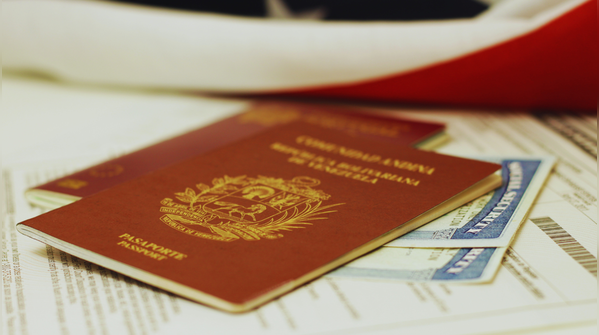
Over the past decade, Venezuela has experienced one of the most dramatic declines in passport power globally. According to Henley data from 2026, Venezuela plunged from to 45th place, making it one of the largest decliners in recent years.
Some of the reasons like political instability and economic hardship have affected its diplomatic ties and curtailed visa-free travel agreements. Venezuela lost ground comparatively, as other nations managed to expand mobility for their citizens.
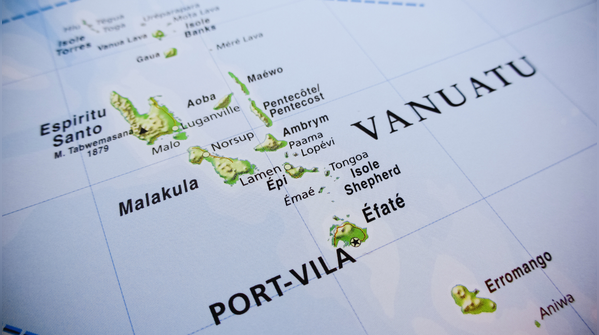
Vanuatu
Vanuatu is another country that has experienced a significant decline during the last decade. In the Henley survey, which also followed passport adjustments, Vanuatu dropped by roughly six spots, a large move downward for a small country that was typically thought to enjoy decent regional entry rights.
The fall of Vanuatu indicates how global mobility can change any time, and is not set in stone. Even places as small as this that offered more access to its citizens and were once powerful, can slide backward if diplomatic relationships do not grow as global norms for travel change.
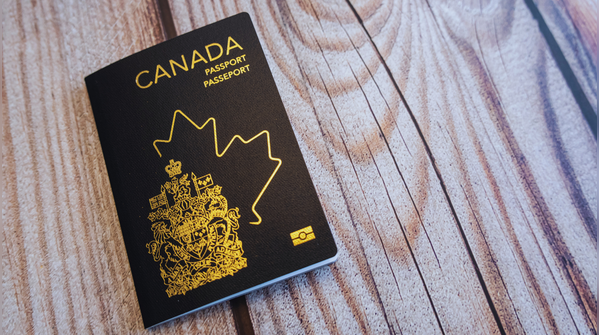
Canada
Although Canada’s passport remains relatively strong, it has also experienced a decline compared to its position years ago, and is now in 8th position. Over the decade, Canada dropped several places in the Henley Index. Unlike the US or Venezuela, Canada’s drop hasn’t knocked it out of elite status, but even passports with broad travel freedom can slip as other nations negotiate more reciprocal access.
Passport power
Passport strength is more than just a number, it’s a snapshot of how countries are relating to one another, and how travel practices are evolving over time. From headlining declines to yearlong shifts, the global travel freedom landscape is shifting, in ways with real repercussions for anyone hoping to travel internationally.
Featured In lifestyle

MORE FROM ETIMES
life & style