
7 fascinating birds that can swim underwater like fish
7 fascinating birds that can swim underwater like fish
Birds are usually admired for their ability to fly, yet some species are equally skilled beneath the water’s surface. Through specialised wings, powerful feet, dense bones and oxygen-saving adaptations, these birds can dive, chase prey, and move underwater with surprising efficiency, similar to fish. Their behaviour shows how evolution has enabled certain birds to thrive in aquatic environments.
Image Credit: Canva
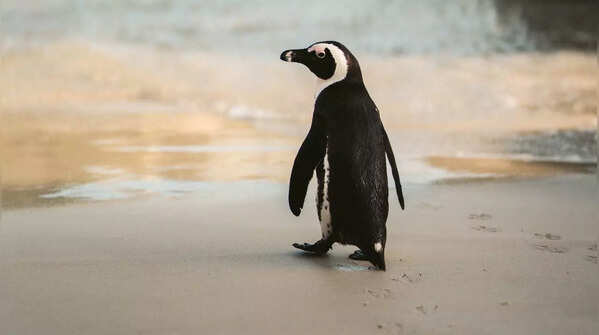
Penguin
Penguins are among the most accomplished underwater swimmers. Their flipper-like wings propel them smoothly through the water, allowing high speeds and deep dives while hunting. Some species such as the emperor penguin, can reach depths of hundreds of metres and remain submerged for extended periods, demonstrating extreme adaptation to marine life.
Image Credit: Canva
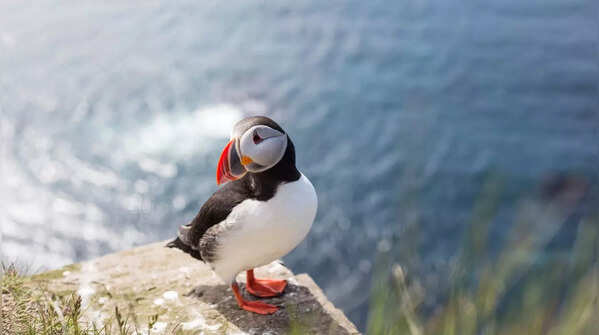
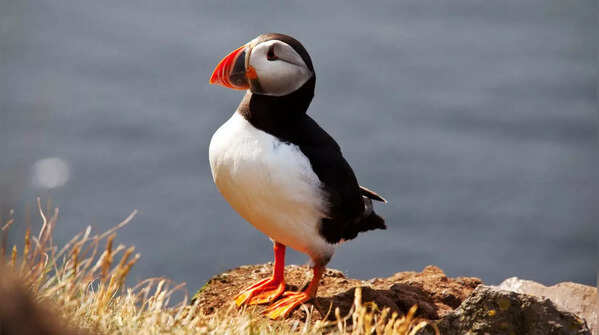
Puffin
Puffins “fly” underwater by beating their wings like paddles and steering with their feet. They typically dive tens of metres below the surface and stay submerged long enough to catch small fish. This dual ability to move efficiently in air and water helps them survive in cold northern oceans where prey is often found below the surface.
Image Credit: Canva
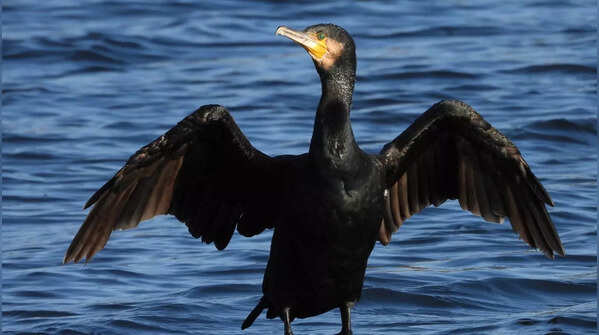
Cormorant
Cormorants are powerful pursuit divers that swim using webbed feet and sometimes partially spread wings. They can dive to significant depths in search of fish and are often seen spreading their wings afterward to dry feathers, which are less waterproof and therefore improve underwater hunting efficiency.
Image Credit: Canva
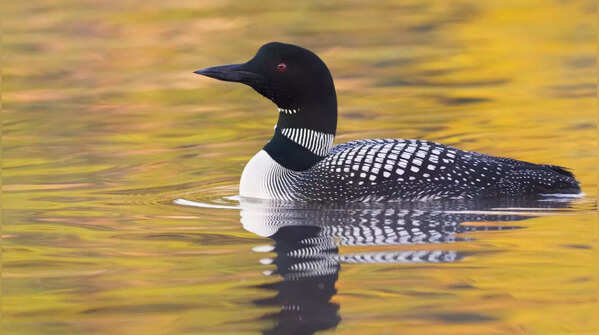
Loon
Loons are highly aquatic birds capable of swimming long distances underwater and diving to around 60 metres. Their solid bones and ability to compress air from lungs and feathers reduce buoyancy, enabling deeper and more efficient dives while pursuing fish. These adaptations make them graceful underwater despite being clumsy on land.
Image Credit: Canva
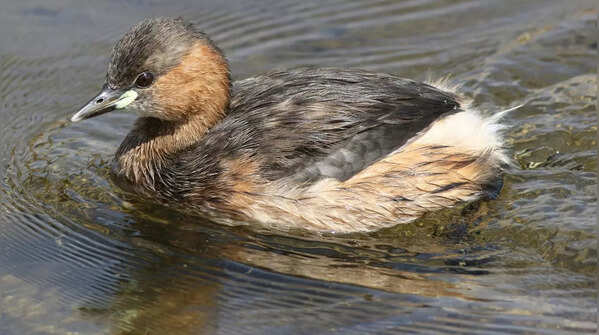
Grebe
Grebes possess streamlined bodies and specialised lobed feet that allow silent, rapid dives in freshwater habitats. They use these abilities both to capture prey and to escape predators, showing how structural adaptations can transform a bird into an expert underwater swimmer.
Image Credit: Canva
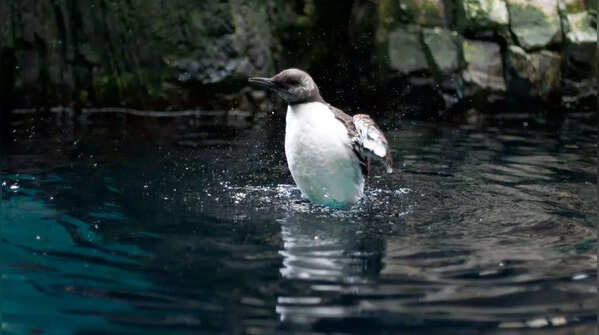
Common Murre (Auk Family)
Common murres and related auks are wing-propelled divers whose underwater movement resembles that of penguins. Some murres can dive more than 100 metres while chasing schooling fish, spending much of their lives at sea and returning to land mainly for breeding.
Image Credit: Canva
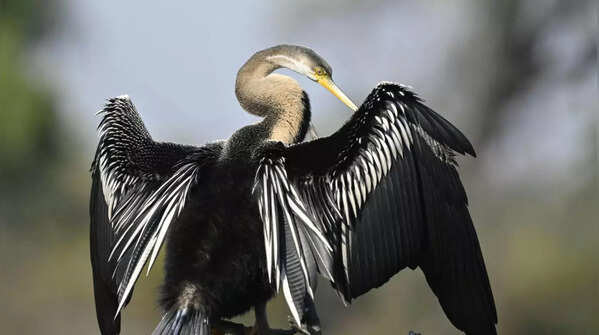
Anhinga (Snakebird)
Anhingas swim with their bodies submerged and spear fish using a sharp bill and rapid neck strike. Their feathers become wet rather than repelling water, which reduces buoyancy and improves diving ability; afterward, they spread their wings to dry. This hunting style makes them stealthy and efficient underwater predators.
From penguins in icy oceans to anhingas in warm wetlands, these seven birds highlight the remarkable diversity of underwater adaptation in the avian world.
Image Credit: Canva
Featured In lifestyle

