
6 small activities that keep your brain calm even on the busiest days
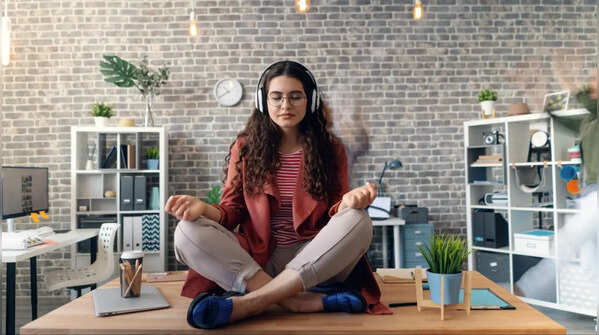
6 small activities that keep your brain calm even on the busiest days
In this day and age, staying calm is not about escaping stress but about managing it in real time. With workdays stretching longer, notifications never stopping and our attention spans turning shorter than that of a goldfish, experts are increasingly encouraging micro-activities or small habits that can calm the brain in minutes. The fun part is that they are neither time-consuming routines nor wellness luxuries but simple, everyday activities that can fit between meetings, commutes or even while making tea.

Controlled breathing (2–5 minutes)
If there is one habit dominating brain-health research in 2026, it is breathwork. According to a recent 2026 neuroscience study on breath regulation, “Specific breathing patterns activate brain regions responsible for emotional regulation.” It works because slow, intentional breathing activates the parasympathetic nervous system, shifting your body out of “fight-or-flight” mode into a calmer state. So, inhale for 4 seconds, hold for 4 seconds. Then exhale for 6 seconds and repeat for 2–3 minutes. Even this short reset can noticeably reduce stress during a hectic day.

Mindful micro-meditation
Meditation no longer requires long sessions or silent retreats. In fact, short bursts are trending in 2026. Research highlighted by Harvard Health reveals, “Meditation can change brain areas linked to fear and anxiety.” It works because micro-meditation trains your brain to pause instead of react, improving emotional control even under pressure. Close your eyes for 2–3 minutes, focus only on your breath or surroundings and let thoughts pass without engaging. Even brief sessions can gradually “rewire” how your brain handles stress.

Mindful walking (even indoors)
Movement-based mindfulness is gaining momentum as an alternative to sitting meditation. A 2026 study on mindful movement found, “Even short sessions… improve focus and emotional well-being.” It works because walking anchors your attention in physical sensations, reducing overthinking and mental clutter. Get up and walk slowly for 5–10 minutes. Focus on your steps, posture and breathing. Avoid checking your phone. This is especially useful between meetings or during work breaks.

Journaling for 10 minutes
Writing things down may seem simple but its impact on the brain is powerful. A 2026 brain-health analysis noted, “Journaling improves emotional regulation and memory recall.” It works because journaling helps your brain process thoughts instead of holding onto them, reducing mental overload. Write freely for 5–10 minutes and don’t worry about grammar or structure. Focus on what’s stressing you or what went well. Think of it as clearing your brain’s “cache.”

Practicing gratitude
Gratitude has moved from self-help advice to scientifically backed brain training. As per mindfulness research, “Gratitude practices improve well-being and promote positivity.” It works because it shifts your brain’s focus from threat detection to positive recognition, lowering anxiety levels. List 3 things you are grateful for, do it in the morning or before bed and keep it simple and consistent. Over time, this rewires your mental baseline towards calmness.

Quick physical movement or stretching
When stress builds, your body often holds it before your mind processes it. Research shows, “Light physical activity boosts blood flow to the brain… reducing stress.” It works because movement releases endorphins and reduces cortisol, helping your brain reset quickly. Stretch your shoulders and neck, take a short walk or do light yoga or desk exercises. Even 5–10 minutes can improve clarity and mood.

Why these small habits matter in 2026
The biggest shift in mental wellness today is that we don’t need a complete lifestyle overhaul to feel better. Instead, research increasingly supports “micro-interventions” or small, repeatable actions that build long-term resilience. Whether it is breathing between emails, walking during calls or writing for a few minutes before bed, these habits work because they interrupt stress cycles, regulate brain activity and improve emotional control over time.
Featured In lifestyle

MORE FROM ETIMES
life & style