
- News
- lifestyle
- soul-search
- Why people instinctively close their eyes during prayer
Why people instinctively close their eyes during prayer
Why people instinctively close their eyes during prayer
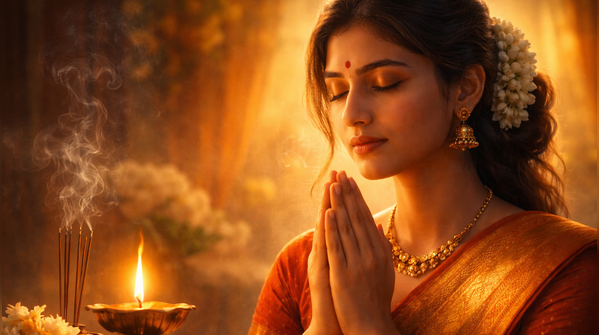
Across religions and cultures, prayer is often imagined in a familiar posture: hands folded, head slightly bowed, and eyes gently closed. It is a gesture so universal that many people perform it almost instinctively. Yet the simple act of closing one’s eyes during prayer carries deeper psychological, spiritual, and cultural meaning. It is not merely a habit taught in childhood; rather, it reflects the human need to withdraw from the outside world in order to turn inward. Scroll down to read more.
Turning attention inward
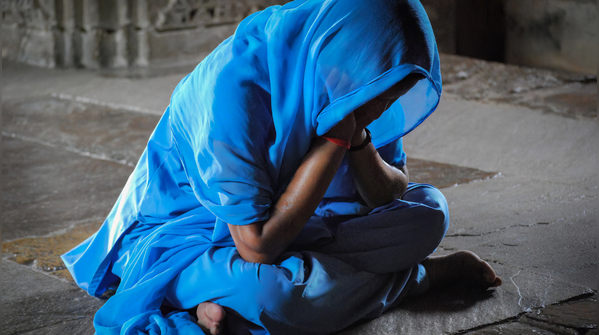
One of the most practical reasons people close their eyes during prayer is to minimise distractions. The human brain is naturally drawn to movement, colour, and activity in the surrounding environment. Even small visual stimuli, such as a flickering candle, people walking past, or shifting light, can pull attention away from the act of prayer.
Closing the eyes removes this stream of visual input. With fewer external signals competing for attention, the mind can settle more easily on words, thoughts, or feelings directed toward the divine. In many traditions, prayer is seen not just as speaking to God but also as listening or reflecting. Shutting the eyes creates a mental quietness that helps deepen this inward focus.
Psychologists often describe this as a form of sensory reduction. When visual information decreases, the brain can devote more energy to internal processes such as reflection, memory, and emotional awareness. In simple terms, closing the eyes helps people concentrate.
A gesture of humility and surrender
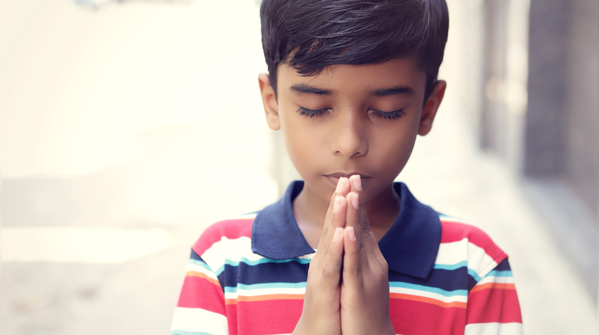
Beyond concentration, the act also carries symbolic meaning. Bowing the head and closing the eyes expresses humility, a recognition that one is standing before something greater than oneself. In many spiritual traditions, prayer is not meant to be a performance but an intimate moment between the individual and the divine.
Closing the eyes reinforces that sense of surrender. It signals a temporary letting go of control and self-consciousness. Without the gaze directed outward, people become less concerned about how they appear to others and more absorbed in the spiritual experience itself.
This symbolism appears in several faiths. In Hindu temples, devotees often close their eyes while chanting or during darshan, the moment of seeing and being seen by the deity. In Christian prayer gatherings, closing the eyes is commonly encouraged to promote reverence and focus. Muslims during dua (supplication) may also shut their eyes briefly while asking for guidance or mercy. Though practices differ, the underlying idea is similar: turning away from the world to connect with the sacred.
Creating a sense of privacy
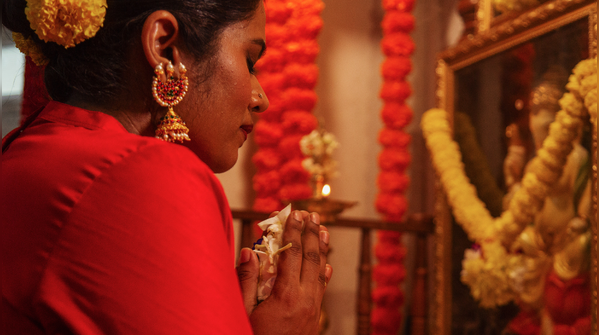
Prayer is deeply personal. People may express gratitude, confess worries, or ask for help with challenges they rarely share with others. Closing the eyes creates a small psychological boundary between the individual and the surrounding environment.
Even in a crowded temple, mosque, or church, this gesture offers a moment of privacy. It helps the person feel less exposed and more emotionally open. Much like closing one’s eyes during a moment of intense thought or emotion, it allows feelings to surface without distraction.
Neuroscience research suggests that shutting the eyes can also enhance emotional processing. Without constant visual engagement, the brain’s attention shifts inward, making it easier to access memories, intentions, or deeply held beliefs. This is why people sometimes close their eyes while making a wish, recalling something meaningful, or concentrating intensely.
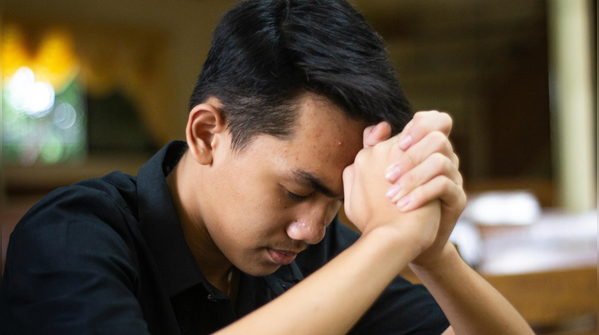
Strengthening imagination and visualisation
In many spiritual practices, prayer involves visualisation. Devotees may picture a deity, imagine light or divine energy, or mentally repeat sacred words. Closing the eyes makes such imagery easier to form.
Without competing visual stimuli, the mind can construct vivid internal images. For example, someone praying might imagine the form of a deity, the calmness of a sacred place, or a sense of protective presence.
In this quiet inner space, attention gradually shifts away from the outside world and toward the inner landscape of thought and feeling. Many practitioners describe this moment as a bridge between ordinary awareness and a deeper sense of presence.
This imaginative element can make prayer feel more immersive and emotionally powerful.
Meditation traditions also emphasise this principle. When the eyes close, the brain often shifts toward slower, calmer rhythms associated with relaxation and introspection. This mental state supports contemplation and spiritual awareness.
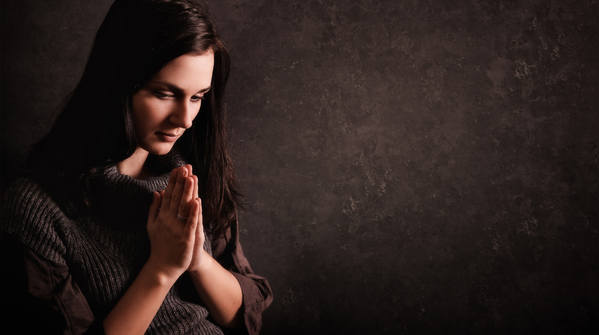
A habit shaped by tradition
For many people, closing the eyes during prayer is something learned in childhood. Parents, teachers, and religious leaders often demonstrate it as part of proper prayer etiquette. Over time, the gesture becomes automatic.
Yet the persistence of this practice across cultures suggests that it resonates with a natural human instinct. When people seek concentration, reflection, or emotional connection, they frequently close their eyes, whether in prayer, meditation, or even while listening deeply to music. In this sense, the gesture reflects both tradition and psychology. It is a learned ritual that aligns perfectly with the brain’s way of focusing inward.
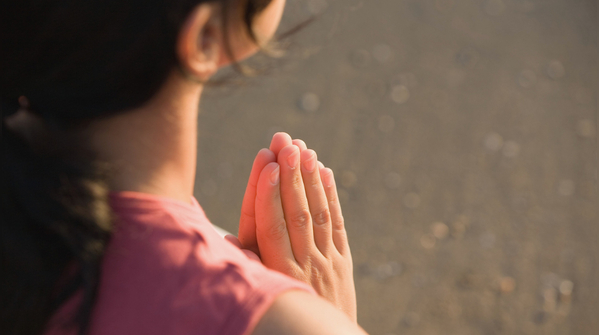
A small act with deep meaning
At first glance, closing the eyes during prayer may seem like a minor detail in religious practice. But the gesture quietly captures the essence of what prayer represents: stepping away from the noise of the world and turning toward something deeper.
By shutting out visual distractions, expressing humility, creating privacy, and strengthening inner focus, the simple act of closing the eyes helps transform prayer from words into an experience. It becomes a moment where attention shifts from the outer world to the inner one, where faith, reflection, and hope meet in silence.
Featured In lifestyle

MORE FROM ETIMES
life & style