- News
- lifestyle
- soul-search
- Why lighting a diya near the Tulsi plant each evening feels powerful and how to do it right
Why lighting a diya near the Tulsi plant each evening feels powerful and how to do it right

Why Tulsi became the centre of the home

What that evening flame really stands for
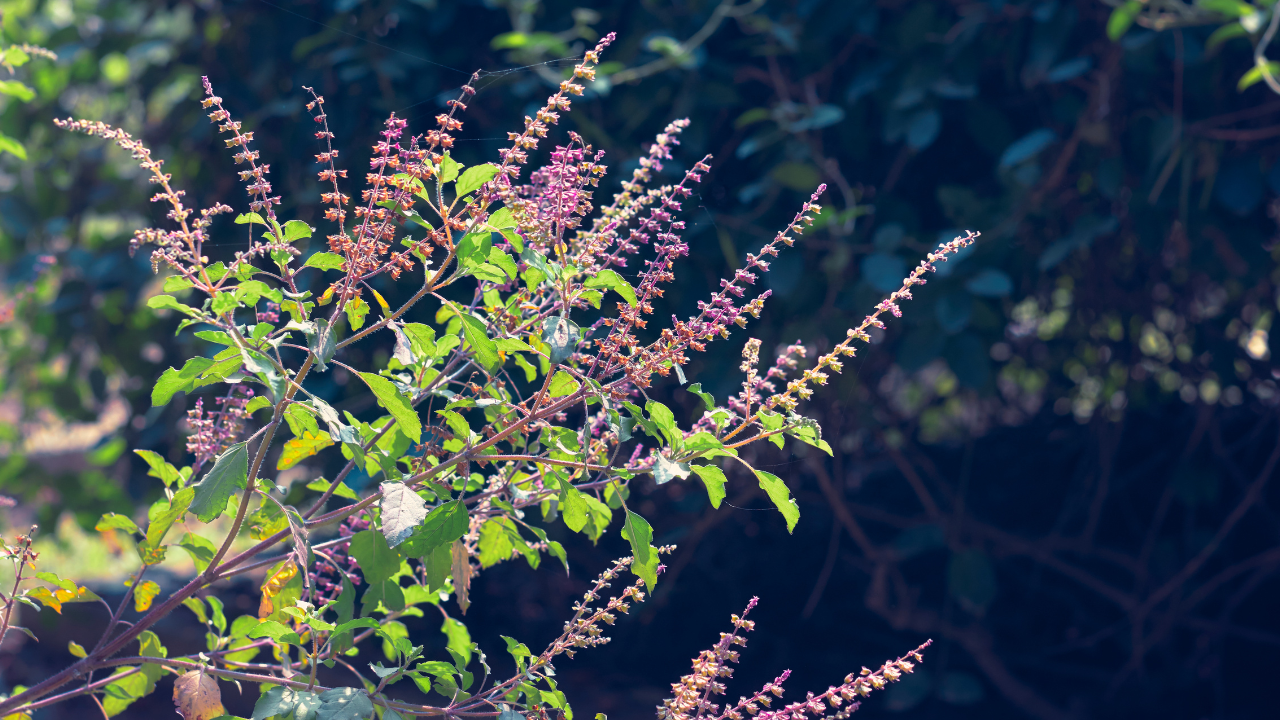
The quiet power of doing it every day
How to light the diya near Tulsi properly

Why evening is the chosen hour
Small things people try not to do
Why this ritual still endures


About the AuthorTOI Lifestyle Desk
End of Article
Follow Us On Social Media
Health +
Tired of too many ads?go ad free now
lifestyle videos
Featured In Lifestyle

Tired of too many ads?go ad free now

MORE FROM ETIMES
life & styleHot on the Web
Will SmithSalman KhanYuvraj SinghNortheast DishesConfuciusWaheeda RahmanSamantha Ruth PrabhuAshwagandha BenefitsOTT Releases This WeekEmraan HashmiBorder 2 CollectionAnke Gowda StoryBharti SinghBorder 2 Movie ReviewArijit SinghRalph Waldo EmersonSunny DeolHrithik RoshanRobert BrowningHimalayan MealJob HuggingJamali And Kamali TombAnurag BasuChimpanzee VS BonoboArmaan MallikBaby NamesDhurandhar Movie CollectionNipah VirusDhurandhar Movie ReviewWonder ManWilliam ShakespeareVivo X200T Vs Motorola Signature Vs OnePlus 15RStonehenge MysteryTim CookQuote Of The Day By Richard FeynmanWorld Longest Road TunnelEgypt Lost Golden CityiOS 26.3Royal Enfield Continental GT 750Flightradar Data Of Ajit Pawar FlightMeteorologist Roland Steadham
Trending Topics
Latest MoviesBollywood MoviesHollywood MoviesTamil Movies 2026Telugu Movies 2026Malayalam Movies 2026Kannada MoviesMarathi MoviesBengali Movies 2026Top Rated Movies 2026Best Hindi MoviesBest English MoviesBest Telugu MoviesBest Tamil MoviesBest Malayalam MoviesBest Kannada MoviesBest Bengali MoviesUpcoming Hindi MoviesBest Movies Of All TimeBest Hindi Movies of All TimeLatest English MoviesLatest Malayalam MoviesEnglish TV NewsTamil TV NewsTelugu TV NewsMalayalam TV NewsKannada TV NewsMovie ReviewsBhojpuri Cinema NewsGujarati Cinema News
Popular Categories
Viral NewsK Pop NewsWeb Series NewsAnime NewsUpcoming English MoviesUpcoming Tamil MoviesUpcoming Telugu MoviesUpcoming Malayalam MoviesUpcoming Kannada MoviesFashion TipsTravel NewsEntertainment NewsBollywood NewsTollywood NewsKollywood NewsMollywood NewsFood NewsLatest Hindi MoviesLatest Tamil MoviesParenting TipsHome RemediesWeight LossBeauty TipsParenting TipsHindi VideosHindi Video SongsBhojpuri Music VideosLatest Telugu MoviesBhojpuri Music VideoHindi TV News
Latest News
Wedding photographer falls in pool while shooting, yet continues to click pictures- Watch videoAjit Pawar plane crash: Black box recovered; govt assures time-bound probe — what we know so farStrings & Wind: A landmark evening of musical mastery in Mumbai‘Mujhe Virat Kohli jaisa banna hai’: Meet Vihaan Malhotra — academic ace, crisis man and future Kohli teammate | EXCLUSIVE'We failed our customers': Why IndiGo CEO says December disruptions lasted only 'three days'Chandigarh: BJP’s Saurabh Joshi elected mayor as tight security marks MC pollsBudget session: PM Modi says 2026 India a 'ray of hope' for the worldRow over new UGC rules: Bharat bandh on February 1? What we knowThe silent hormone crisis at work: Why more working women are battling thyroid disordersPay cuts, big dreams: Dutch still eying T20 World Cup upsetsRupee returns to red! Currency falls to 92 per US Dollar'I had kept a mannat for Ahan': Suniel Shetty reveals he’ll watch 'Border 2' only after it crosses Rs 500 croreRooted in Reflection: Woods & Wonders 2.0 reimagines the bond between nature and progressAlexis Ortega, Spanish voice actor of Tom Holland’s 'Spider-Man' and 'Star Wars' passes away at 38Parul Gulati on playing Laira in Tu Ya MainOver 40 years in Maharashtra politics, major controversies and an unfulfilled ambitionIndia–EU FTA: A calculated leap beyond comfort zonesWhy lighting a diya near the Tulsi plant each evening feels powerful and how to do it right