- News
- lifestyle
- soul-search
- Bhagavad Gita shloka of the day to reconnect with inner stillness
Bhagavad Gita shloka of the day to reconnect with inner stillness

Where this verse appears in the Gita
What the verse is really saying

Reconnecting with inner stillness in everyday life
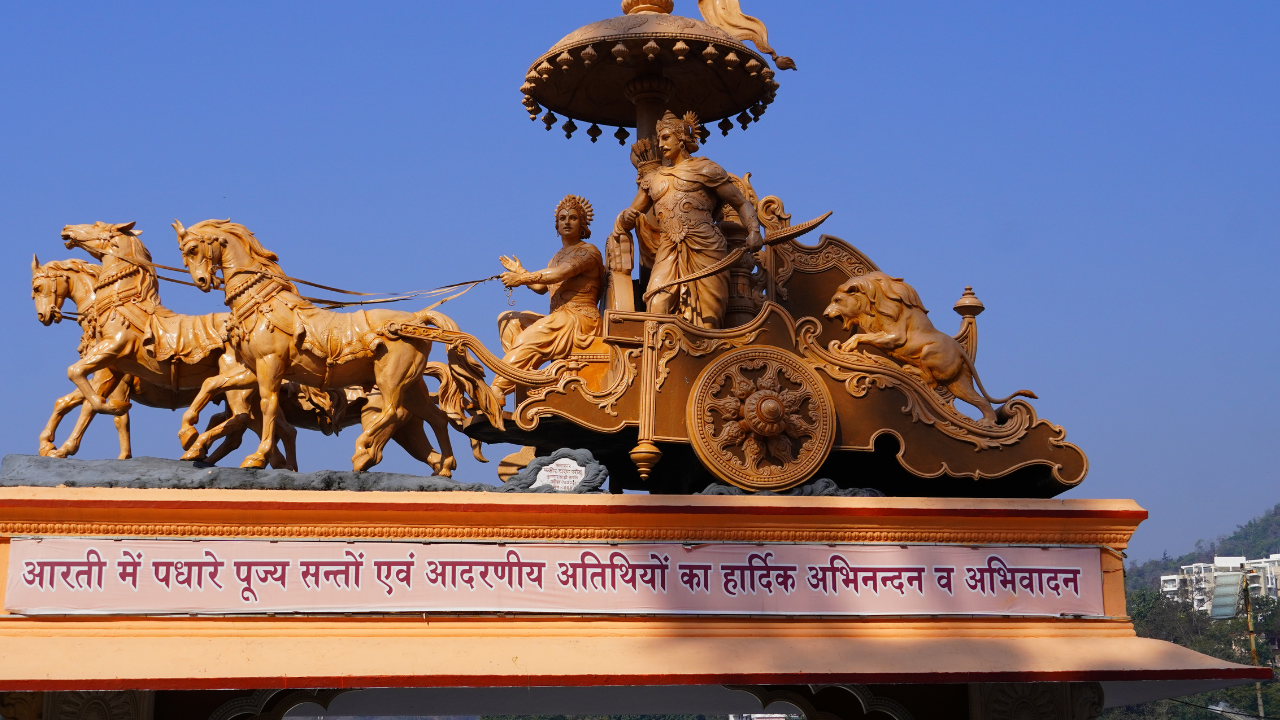
Why this verse matters right now


About the AuthorTOI Lifestyle Desk
End of Article
Follow Us On Social Media
Health +
Tired of too many ads?go ad free now
lifestyle videos
Featured In Lifestyle

Tired of too many ads?go ad free now

MORE FROM ETIMES
life & styleHot on the Web
Dhurandhar OTT ReleaseMamta KulkarniWill SmithGandhi Talk ReviewPeter Dinklage QuoteVaranasiMardaani 3 ReviewNortheast DishesGandhi Talks Twitter ReviewJana NayaganRanveer SinghOTT Releases This WeekBhagyashri BorseBorder 2 CollectionAnke Gowda StoryUdit NarayanBorder 2 Movie ReviewArijit SinghFauziPremium Property MarketingRobert BrowningNortheast DishesFebruary 2026 Horoscope PredictionsSeneca QuoteRalph Waldo EmersonArmaan MallikDhurandhar Movie CollectionNipah VirusDhurandhar Movie ReviewChandra Grahan 2026William ShakespeareWorld Largest Late Roman HoardPink DolphinsTim CookQuote Of The Day By Richard FeynmanWorld Longest Road TunnelCrocodile RiverApple Products To Launch In 2026Royal Enfield Continental GT 750Voyager1WorldLargest Dinosaur Footprint
Trending Topics
Latest MoviesBollywood MoviesHollywood MoviesTamil Movies 2026Telugu Movies 2026Malayalam Movies 2026Kannada MoviesMarathi MoviesBengali Movies 2026Top Rated Movies 2026Best Hindi MoviesBest English MoviesBest Telugu MoviesBest Tamil MoviesBest Malayalam MoviesBest Kannada MoviesBest Bengali MoviesUpcoming Hindi MoviesBest Movies Of All TimeBest Hindi Movies of All TimeLatest English MoviesLatest Malayalam MoviesEnglish TV NewsTamil TV NewsTelugu TV NewsMalayalam TV NewsKannada TV NewsMovie ReviewsBhojpuri Cinema NewsGujarati Cinema News
Popular Categories
Viral NewsK Pop NewsWeb Series NewsAnime NewsUpcoming English MoviesUpcoming Tamil MoviesUpcoming Telugu MoviesUpcoming Malayalam MoviesUpcoming Kannada MoviesFashion TipsTravel NewsEntertainment NewsBollywood NewsTollywood NewsKollywood NewsMollywood NewsFood NewsLatest Hindi MoviesLatest Tamil MoviesParenting TipsHome RemediesWeight LossBeauty TipsParenting TipsHindi VideosHindi Video SongsBhojpuri Music VideosLatest Telugu MoviesBhojpuri Music VideoHindi TV News
Latest News
Shivam Dube’s role a big hit: Allrounder says his mindset is to ‘get better in different situations’‘Stranger Things’ actor Eduardo Franco reveals jaw-dropping body transformation for new film roleLady Gaga pauses 'Mayhem Ball' in Tokyo to condemn ICE; dedicates 'Come to Mama' to fans- WATCHNCERT recruitment 2025-26: Applications close today, payment pending candidates get time till 2 February; check direct link hereLand-for-job: Lalu Prasad’s trial at Delhi court to start from March 9Teddi Mellencamp clarifies the status of her cancer diagnosis after dad John Mellencamp said she was ‘suffering’Parenting quote of the day: “The soul is healed by being with children"- Fyodor DostoevskyStock market today: Nifty50 opens below 25,300; BSE Sensex down over 500 points'Forever inspire his fellow countrymen': PM Modi remembers Mahatma Gandhi on his death anniversaryAkanksha Chamola: There is no trouble between Gaurav and meCSK’s hand in Shivam Dube’s evolution: Nurtured as a spin hitter, now thriving against paceOne of the biggest Apple analysts says: Big mistake Apple made was hiring this high flyer from Google that they thought ...Google Maps brings Gemini AI for pedestrians and cyclistsPancreatic cancer breakthrough: As scientists find a cure in mouse study, doctor explains why the cancer is so deadly9-year-old's shock death in Delhi fails to spur officials into actionKendall Jenner and Devin Booker spark buzz with flirty social media banter after Super Bowl adLadakh’s sky turned blood-red. It wasn’t just beautiful - it was a warningAfter 14 years, Pakistan-Bangladesh direct flights resume