
- News
- lifestyle
- soul-search
- 7 things you should avoid after sunset according to traditional wisdom
7 things you should avoid after sunset according to traditional wisdom
7 things you should avoid after sunset according to traditional wisdom
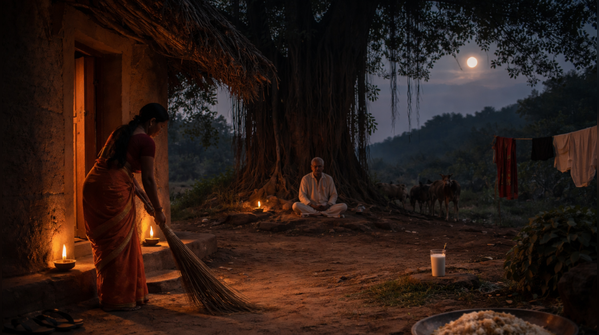
Across Indian households, dusk has always carried a quiet sense of instruction. Lamps are lit. Windows are shut. Kitchens slow down. Elders remind children not to wander too far. These habits were rarely framed as superstition alone. They arrived wrapped in stories, ritual, and repetition, passed down until they became instinct. Traditional wisdom treats sunset as a threshold, a moment when the day turns inward and the body is meant to settle rather than strain. Some of these ideas come from spiritual belief, others from observations about health, hygiene, and safety made long before electric lighting or modern medicine. Here are seven things many traditions suggest avoiding after sunset, and why those ideas took root.

1. Cutting nails or hair
In many families, trimming nails or cutting hair after dark is discouraged. One practical explanation lies in history. Before electricity, poor lighting made sharp tools risky, especially for small, precise tasks. A slip could easily cause injury or infection.
There is also a symbolic layer. Nails and hair are considered parts of the body linked to vitality, and nighttime was associated with rest and preservation rather than removal or change. Over time, that caution hardened into custom.

2. Eating heavy or cold food
Ayurvedic thought often connects digestion to the sun. As daylight fades, digestive fire is believed to weaken, making rich, oily, or cold foods harder to process.
That is why elders traditionally encourage lighter dinners after sunset. Simple dals, soups, or warm vegetables were preferred over fried snacks or leftovers pulled straight from storage. The advice reads today like early nutritional common sense: eat gently when your body is preparing for sleep.

3. Sleeping immediately after dinner
Another familiar warning is not to lie down right after eating. Traditional households often insisted on a short walk or at least sitting upright for a while.
From a modern lens, this aligns neatly with what we know about reflux and digestion. Staying upright helps food move properly and prevents discomfort. Traditional wisdom framed it as respect for the body’s rhythm at night, when it should digest slowly, not struggle.
4. Sweeping the house
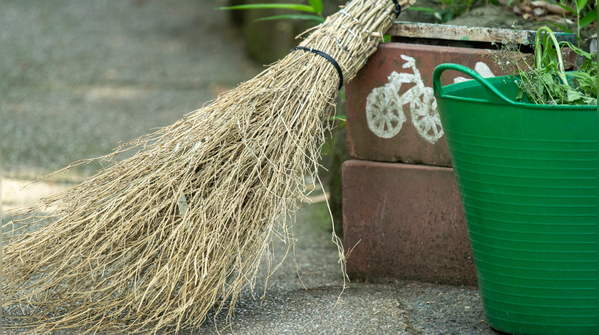
Sweeping after sunset is discouraged in several regions, especially near prayer spaces or thresholds. Spiritually, it was sometimes said to symbolise sweeping away prosperity or peace.
There was also a practical side. In low light, sweeping could scatter valuables, food grains, or tiny household items without anyone noticing. Dust kicked up indoors at night would linger in enclosed rooms rather than settling outside. What began as sensible timing eventually took on symbolic weight.

5. Plucking Tulsi or other sacred plants
Many homes avoid plucking Tulsi leaves after dusk. The plant is believed to rest at night and is treated with special reverence. Rituals involving Tulsi are therefore reserved for morning hours.
Ecologically, evening moisture and cooler temperatures also make plants more vulnerable to damage when handled. Over time, reverence and observation blended into a rule that felt both respectful and protective.

6. Arguing or starting major tasks
Traditional advice often suggests keeping evenings calm, avoiding heated arguments, confrontations, or the start of big ventures after sunset.
Ancient household codes linked dusk with rest, digestion, and emotional settling, warning that overstimulation at that hour could disturb sleep and strain relationships. Lamps were lit, prayers murmured, and tasks softened, creating a psychological buffer between the day’s pressures and the night’s restorative stillness and safety.
Psychologically, this makes quiet sense. Fatigue builds through the day. Tempers shorten. Judgement can cloud. Encouraging families to wind down rather than escalate tensions helped maintain domestic harmony.
Even today, many people find that difficult conversations feel heavier at night, while mornings offer more clarity.
7. Stepping out unnecessarily in deserted areas
Before streetlights and busy roads, night travel carried real risks: animals, uneven paths, thieves, or simple missteps in darkness. Elders often warned against wandering out casually after sunset unless there was a clear reason.
Communities relied on shared caution, locking doors early, escorting travellers, and signalling safety through lamps, dogs, and watchful neighbours who collectively reduced danger once daylight faded.
What sounded like fear-based advice was often rooted in safety. Staying close to home after dark protected both individuals and communities, especially children and the elderly.
Not every household follows these rules strictly anymore, and many people interpret them symbolically rather than literally. Yet they persist because they speak to something timeless: the need to slow down, protect the body, and bring order to the closing hours of the day. Traditional wisdom rarely separated the physical from the spiritual. A single instruction could be about hygiene, safety, respect for nature, and mental peace all at once. In that sense, these sunset cautions are less about restriction and more about rhythm. They nudge people to treat evening as a gentle landing rather than another battlefield of activity. As the sky darkens and lamps glow in windows, those old reminders continue to echo, not as rigid laws, but as soft guidance shaped by centuries of watching how humans, homes, and nature settle into the night.
Featured In lifestyle

