
- News
- lifestyle
- soul-search
- 7 Japanese philosophies that can quietly change your life
7 Japanese philosophies that can quietly change your life
7 Japanese philosophies that can quietly change your life
There is something quietly magnetic about Japanese philosophy. It rarely arrives with loud promises or dramatic transformations. Instead, it works in small, steady ways, shaping how you treat time, how you relate to others, how you move through difficulty, and how you find beauty in the ordinary. These ideas have travelled far beyond Japan because they speak to modern anxieties: burnout, restlessness, perfectionism, and the feeling that life is always rushing ahead of us. Rather than demanding a radical overhaul, these philosophies invite subtle shifts in perspective. Practised daily, they can soften sharp edges, restore balance, and bring a sense of calm purpose to everyday life. Scroll down to read more.

Ikigai: Finding meaning in what you already do
Ikigai is often described as a “reason for being,” but in Japan, it is less about discovering one grand destiny and more about staying connected to the small joys and responsibilities that make life feel worthwhile. It might live in your morning routine, your craft, caring for family, or the quiet satisfaction of improving at something over time.
This philosophy encourages you to pay attention to what energises you rather than what only looks impressive from the outside. When your days contain even a few moments of ikigai, motivation becomes steadier and less dependent on external validation. Work feels less draining. Life feels less scattered.
Wabi-sabi: Making peace with imperfection
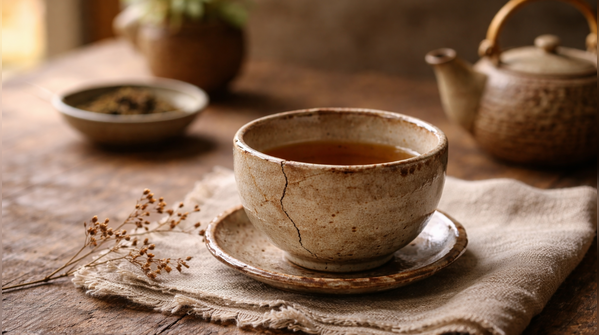
Wabi-sabi is the art of seeing beauty in things that are incomplete, weathered, or temporary. A chipped teacup, faded fabric, uneven pottery, these are not flaws to hide but stories to honour.
Applied to life, wabi-sabi loosens the grip of perfectionism. It reminds you that relationships are messy, bodies age, plans fall apart, and that none of this disqualifies something from being meaningful. When you stop demanding flawlessness from yourself and others, there is more room for ease, humour, and authenticity.

Kaizen: Improving a little every day
Kaizen is the philosophy of continuous, incremental improvement. Instead of chasing dramatic breakthroughs, it asks a simpler question: What tiny step could make today one percent better?
This approach is powerful because it lowers resistance. You are more likely to meditate for two minutes than thirty. To take the stairs once than overhaul your entire lifestyle. Over weeks and months, these modest efforts compound into real change.
Kaizen shifts the focus from intensity to consistency. It teaches patience, humility, and trust in the long game, a refreshing antidote to the pressure for overnight success.

Shikata ga nai: Accepting what cannot be controlled
Literally translating to “it cannot be helped,” shikata ga nai is about acknowledging reality without excessive bitterness. It is not resignation; it is emotional maturity. You recognise what lies outside your control, grieve or feel frustrated if needed, and then redirect your energy toward what you can influence.
In stressful times, this mindset can be liberating. Instead of endlessly replaying what should have happened, you free up mental space for problem-solving, adaptation, and self-compassion. Acceptance becomes the first step toward moving forward rather than getting stuck.

Omoiyari: Practising thoughtful empathy
Omoiyari refers to a deep, anticipatory form of kindness, being attuned to others’ needs before they are voiced. It might show up as holding a door, softening your tone, arriving prepared, or checking in on someone without being asked.
Living with omoiyari gently reshapes social life. Interactions become smoother, conflicts less sharp, and trust easier to build. It also encourages humility: you realise that everyone is carrying invisible burdens. When empathy becomes habitual, the world feels less adversarial and more collaborative.
Kintsugi: Honouring your breaks
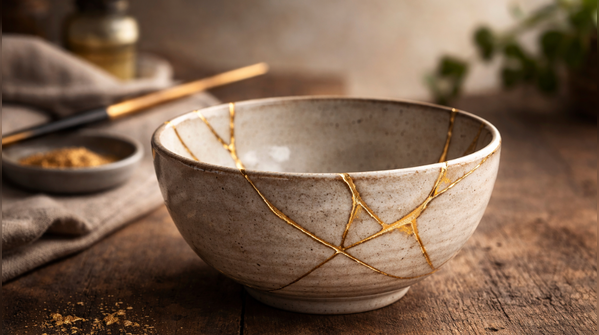
Kintsugi is the art of repairing broken pottery with lacquer mixed with gold, making cracks visible rather than hiding them. The repaired object is not restored to its old state; it becomes something new and, in many eyes, more beautiful.
As a life philosophy, kintsugi reframes failure, loss, and heartbreak. Your difficult experiences do not disqualify you from wholeness, they become part of your story. Scars mark survival. Growth often emerges precisely from the places that once hurt the most.
This perspective can soften shame and encourage courage. Instead of pretending you were never broken, you learn to carry your history with dignity. In practice, it invites gentler self-talk after mistakes, patience during recovery, and a willingness to begin again without erasing the past. The fractures remain visible, but they shine as proof of endurance rather than evidence of defeat.
Ma: Valuing space and pause
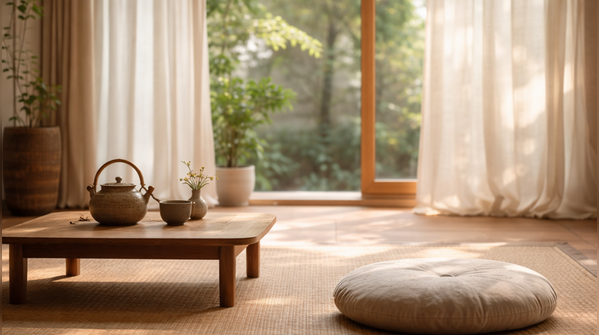
Ma refers to the meaningful space between things, the silence in music, the gap between buildings, the pause in conversation. In a hyper-stimulated world, this idea feels almost radical.
Practising ma might mean leaving parts of your schedule unscripted, sitting without your phone, taking a slow breath before replying, or allowing moments of stillness during the day. These pauses create clarity. They help you hear your own thoughts again.
Rather than seeing emptiness as waste, ma teaches that space gives shape to everything else. Rest, reflection, and breathing room are not luxuries; they are essential for a balanced life. By making room for nothingness, you stop reacting on autopilot and begin responding with choice. Creativity often slips in through these gaps, as do perspective and calm, reminding you that life expands not through constant motion but through deliberate, restorative pauses.
Featured In lifestyle

MORE FROM ETIMES
life & style