
- News
- lifestyle
- soul-search
- 6 Japanese ideas that quietly help calm an overthinking mind
6 Japanese ideas that quietly help calm an overthinking mind
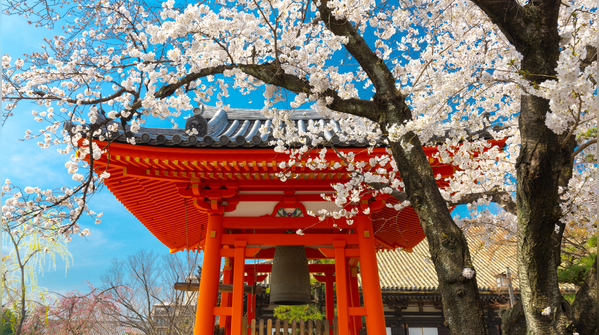
6 Japanese ideas that quietly help calm an overthinking mind
Overthinking rarely arrives with a dramatic entrance. It tends to creep in through small openings: one unanswered message, one awkward memory, one future that refuses to stay still. The mind starts pacing, replaying, forecasting, editing. In that kind of mental weather, Japan offers a number of ideas that feel less like self-help slogans and more like quiet disciplines, ways of returning to the present without forcing the mind into silence. These ideas do not promise instant relief. They work more like soft handrails. Scroll down to read more...
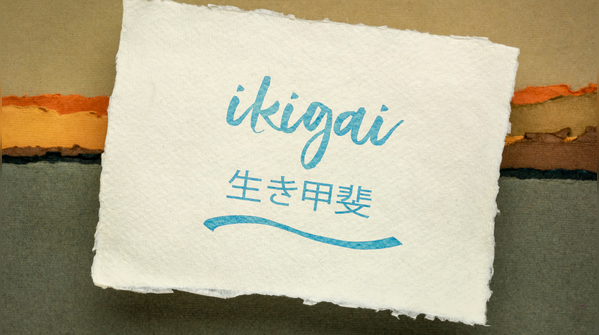
1. Ikigai
Ikigai is often translated as “reason for being,” but that misses some of its texture. It is not necessarily about grand purpose or a life mission written in bold letters. It can be smaller, more lived-in: the work you care about, the people you love, the routines that give shape to your day.
For an overthinking mind, ikigai is useful because it shifts attention away from endless mental noise and toward meaningful action. Instead of asking, “What if everything goes wrong?” it asks, “What is worth tending today?” That simple change can be surprisingly powerful. It pulls the mind out of abstraction and back into a life that is actually being lived.
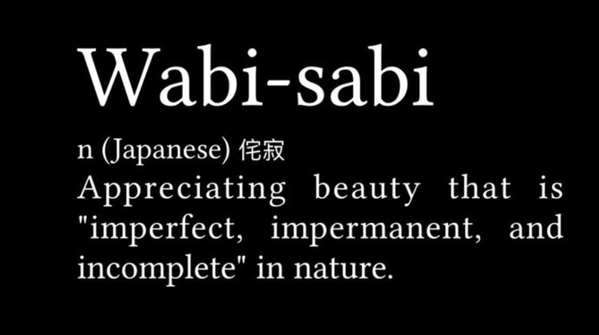
2. Wabi-sabi
Wabi-sabi is the beauty of imperfection, impermanence, and incompleteness. It is the idea that cracks are not always flaws to hide, but part of the story itself. In a world that trains people to polish everything, their bodies, their homes, their emotions, their timelines, wabi-sabi offers relief.
It asks for a quieter kind of attention. Instead of rushing to correct every uneven edge, you pause long enough to notice the texture of things as they are. A chipped cup, a fading photograph, the slow aging of wood or skin, all become reminders that time is not an enemy to defeat but a process to witness.
Overthinking often feeds on the fantasy of perfection. The right choice, the right reply, the right version of yourself. Wabi-sabi interrupts that chase. It reminds you that a slightly messy room, a bruised apple, a difficult season, even a recent mistake, does not make life less valid. It makes life real. That realism can be grounding, especially for minds that punish themselves for not being seamless.
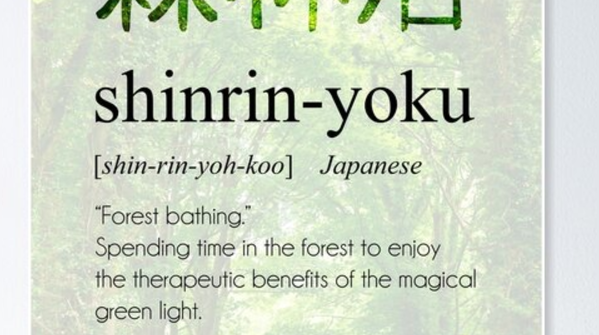
3. Shinrin-yoku
Shinrin-yoku, or forest bathing, is the practice of immersing yourself in nature with attention and presence. It is not a workout and not a destination. It is a way of being in the natural world slowly enough for your senses to catch up.
For an anxious or overactive mind, this matters. Nature does not demand performance. Trees do not hurry. Wind does not argue. The body tends to downshift when the senses are given something simpler to register: leaves, light, soil, birdsong, air. Even a brief walk under trees can soften the inner volume. The point is not to escape thought completely, but to give thought less room to dominate everything.
4. Kintsugi
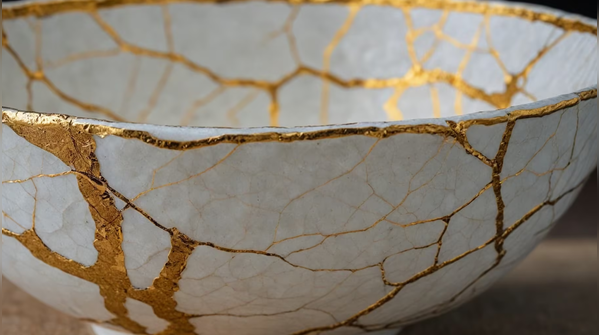
Kintsugi is the art of repairing broken pottery with visible gold seams. The break is not erased. It is highlighted. That may be one of the most psychologically generous ideas to come out of any culture: damage does not always need to be concealed to be beautiful. In fact, the repaired lines become part of the object’s story, quietly acknowledging that something difficult happened and yet the piece still continues to exist with dignity and purpose.
For a person trapped in self-criticism, kintsugi offers a different script. Instead of asking why something cracked, it asks what becomes possible after repair. It shifts the meaning of rupture from shame to continuity. That can be deeply calming for a mind that keeps returning to its own failures as if they were final verdicts.
5. Hara hachi bu
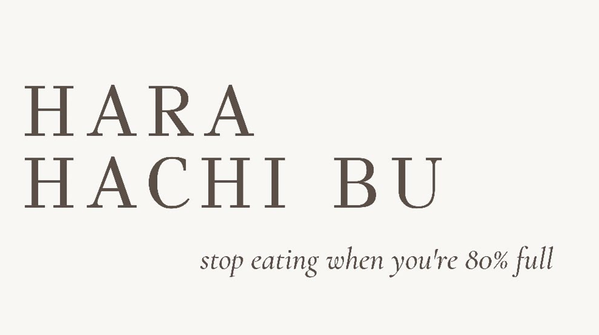
Hara hachi bu is the habit of eating until you are about 80 percent full. It comes from a broader philosophy of moderation, but its value extends beyond the dinner table. It is a reminder that restraint can be kinder than excess.
Overthinking often works like overeating: it keeps going past the point of nourishment. One more check, one more comparison, one more imagined scenario. Hara hachi bu suggests that “enough” is a legitimate stopping point. That principle can apply to food, work, scrolling, texting, even emotional spirals. Sometimes peace begins where excess ends.
6. Oubaitori
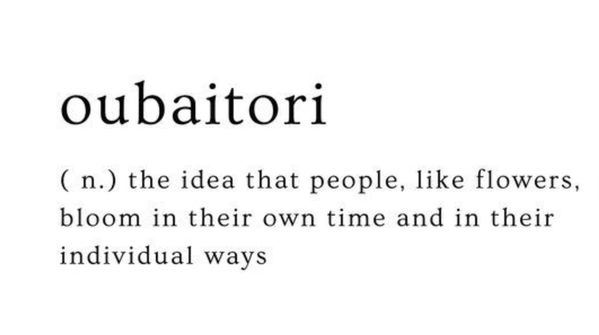
Oubaitori comes from the four spring trees, cherry, plum, peach, and apricot, each blooming in its own time. The lesson is elegant: not everything is supposed to unfold on the same schedule.
In nature, the sequence is quiet but unmistakable. One tree opens early, another waits for slightly warmer air, and another arrives later still, each responding to its own internal clock. No blossom apologises for its timing. The orchard does not compare them; it simply becomes beautiful in stages.
This idea is especially useful for minds that compare, compete, and catastrophize. Overthinking loves timelines that feel too slow, too fast, or unfairly different from everyone else’s. Oubaitori loosens that grip. It says growth is not a race with one fixed rhythm. Your season does not have to look like anyone else’s to be real.
Featured In lifestyle

